
How to Photograph Wound Progress Safely at Home
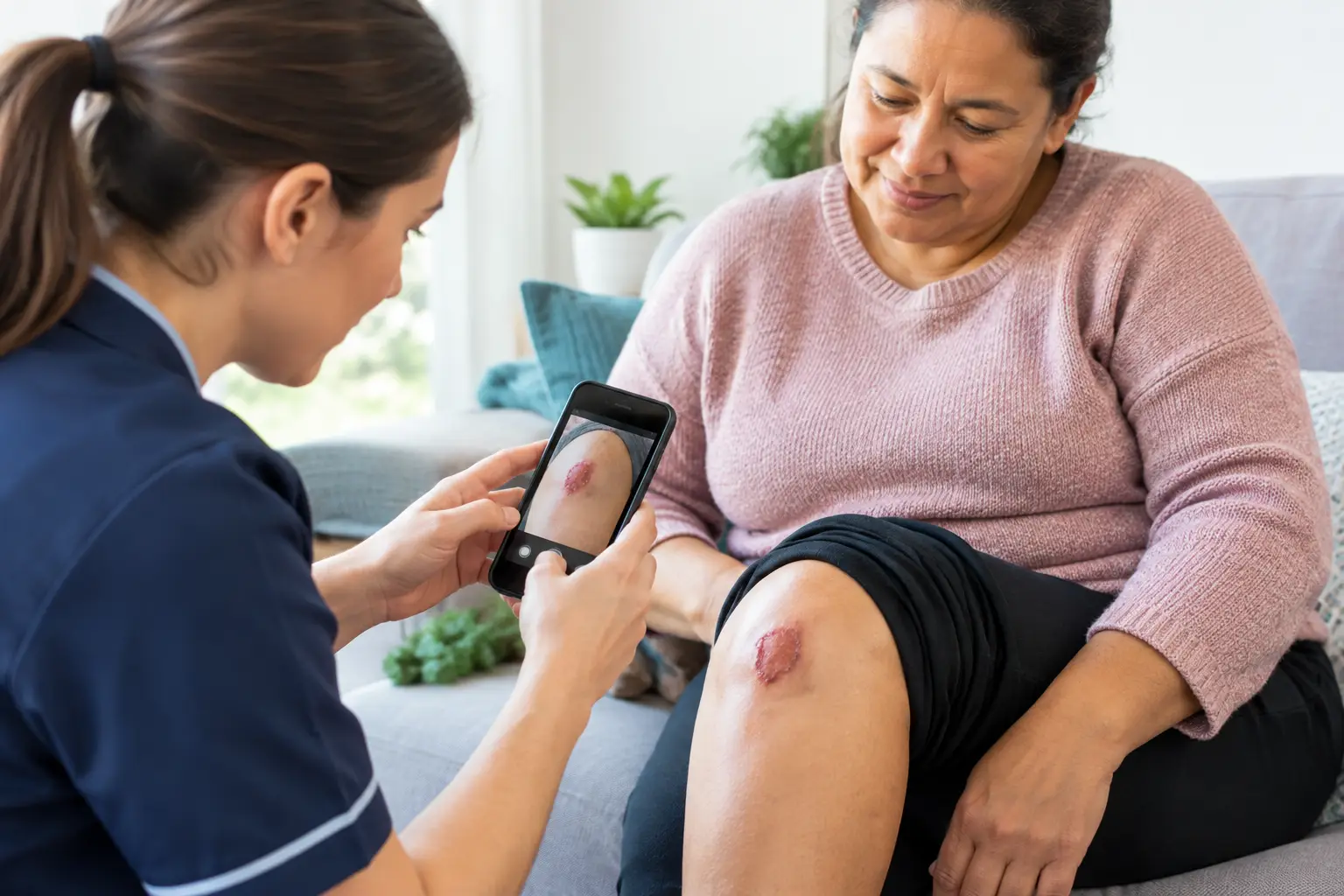
A wound photo can show a nurse something that a written update cannot: whether redness has spread, whether the wound edge is closing, or whether drainage has changed between visits. Knowing how to photograph wound progress consistently gives the treating team better information without replacing an in-person clinical assessment.
For NDIS participants receiving complex health support at home, photographs are most useful when they are part of a nurse-led wound care plan. They should support safe decisions, clear reporting and timely escalation, while protecting the participant’s dignity and privacy.
Why consistent wound photographs matter
Wounds do not always change in a straight line. A pressure injury may look smaller but develop concerning colour changes. A surgical wound may appear dry one day and have increasing drainage the next. A photo taken in the same way each time helps a nurse compare changes more reliably than a description such as “it looks worse”.
This is particularly valuable where several people are involved in care, including family members, support workers, community nurses and Support Coordinators. Clear images, matched with dated clinical notes, can help maintain continuity when care arrangements change or a nursing report is needed for a plan review or change of circumstances.
Photos are only one part of assessment. Pain, temperature, odour, drainage amount, surrounding skin condition, continence, mobility, nutrition and pressure risks may all affect healing. A wound that looks unchanged in an image can still need urgent review if the participant is unwell or reporting new pain.
How to photograph wound progress step by step
Follow the wound care plan first. If the plan says photographs are required, it should also clarify who takes them, how often, where they are stored and when changes must be reported. Do not remove a dressing or interfere with a wound just to obtain a photograph unless this is part of the agreed care routine and the person is trained and authorised to do so.
Start with consent, comfort and privacy
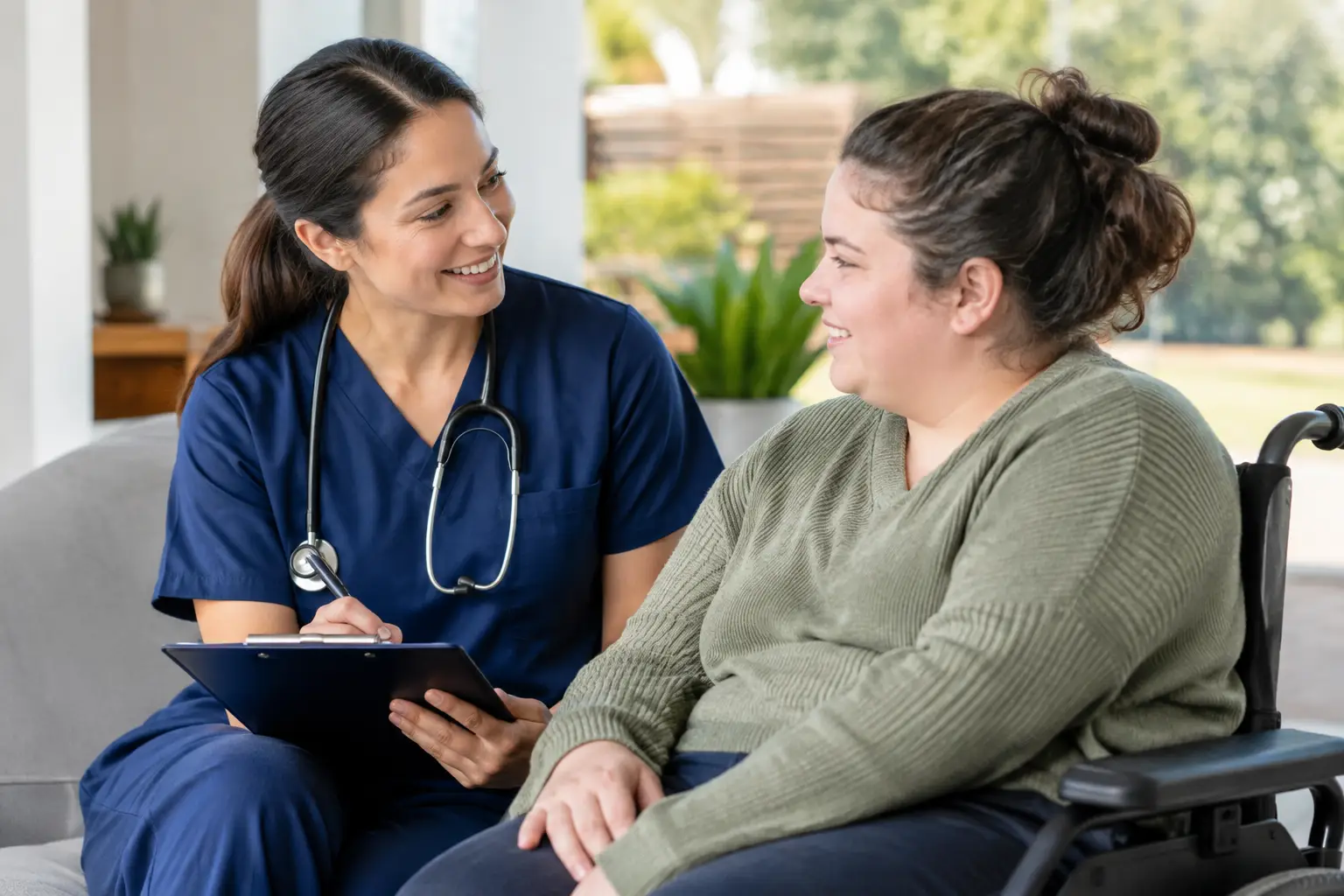
Explain why the image is needed and ask the participant for consent before each photo, even where ongoing consent has been documented. Give them as much choice and control as possible over positioning, who is present and how much of their body is visible.
Only expose the area being photographed. Use towels, sheets or clothing to protect the rest of the body, and avoid including the participant’s face, identifying tattoos, jewellery or other unnecessary features. For wounds in intimate areas, a nurse should provide specific direction about whether photographs are clinically necessary and the safest way to take them.
If a participant lacks capacity to provide consent, follow the relevant consent process with their authorised decision-maker and care team. Respect for privacy is not a paperwork step. It is part of safe, dignity-focused care.
Prepare before removing the dressing
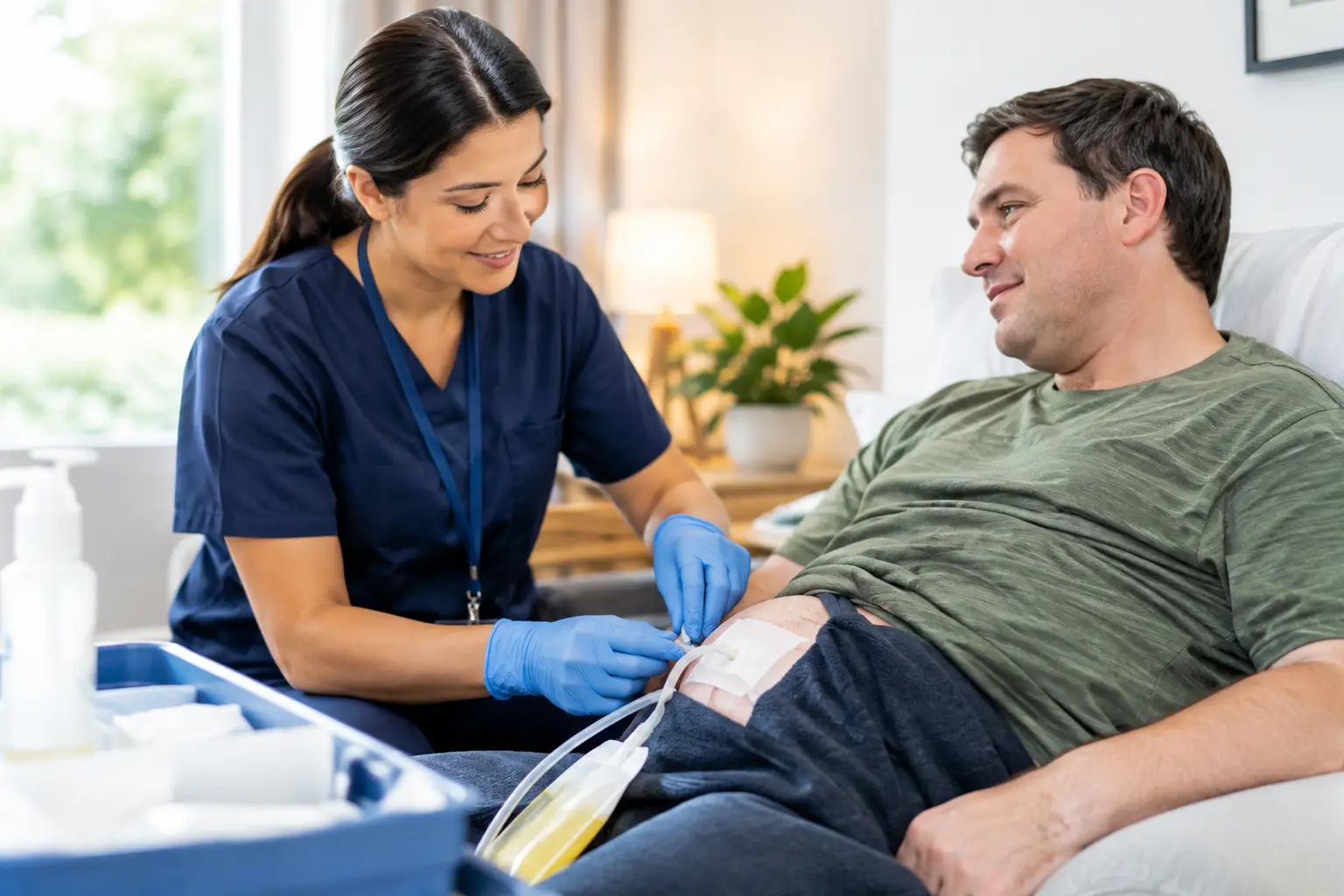
Have everything needed for the dressing change ready before starting. This reduces the time the wound is exposed and prevents interruptions once clean technique is underway. Wash hands thoroughly and follow the infection prevention procedures set out in the clinical care plan.
Use the device approved by the provider or service, rather than a personal mobile where possible. Make sure the camera lens is clean and the battery is charged. A blurred image can lead to uncertainty and repeated handling of the dressing, which is not in the participant’s interests.
Take the photo at the stage specified by the nurse. In many cases, this is after the old dressing has been removed and the wound has been assessed or cleansed according to the care plan, but before the new dressing is applied. The correct timing depends on the wound and treatment instructions.
Use the same light, position and distance
Consistency matters more than a polished image. Take photos in a well-lit space, preferably using natural or even room lighting. Avoid flash where it causes glare, washes out skin tone or makes wound drainage difficult to see.
Position the participant comfortably and safely, using the same position where practical. Take one wider image that shows the wound’s location on the body, then a closer image that clearly captures the wound bed and surrounding skin. Hold the camera still, keep it parallel to the wound where possible, and check that the picture is in focus before completing the dressing.
A clinical measuring guide may be used if the nurse has instructed this. Place it beside the wound, not over the wound, and never allow a non-clean object to touch the wound bed. The guide should be readable but should not obscure the skin edge. Measurements documented by a nurse remain important because photographs can distort size depending on angle and distance.
Record what the photograph cannot show
After the photograph, complete the observations required in the wound chart or care notes. Record the date and time, wound location, dressing applied and any change from the previous review. Include practical observations such as increased pain, new odour, drainage colour or amount, bleeding, heat, swelling, itch, fragile surrounding skin or difficulty tolerating the procedure.
Avoid making clinical judgments beyond your role. “Drainage appears heavier than the previous dressing change” is a useful observation. “The wound is infected” is a diagnosis that requires clinical assessment. Support worker training and clinical oversight help teams recognise changes, document them clearly and escalate them without delay.
Keep wound images secure and useful
Wound photographs are sensitive health information. They should only be taken, stored and shared through the secure process set by the nursing provider or organisation. Do not keep wound images in a personal camera roll, send them through social media, or share them in informal group chats.
Use the approved clinical record or secure communication method, and ensure the image can be matched to the correct participant, body site and date without displaying unnecessary identifying details. If an image has been sent to the treating nurse, follow the process for confirming it was received. Do not assume that a message has been seen simply because it shows as delivered.
For families and providers managing several shifts of care, a simple routine is often best: take photographs only at the agreed frequency, upload them securely, document relevant observations and notify the nurse of any concerning change. Taking daily images when they are not clinically required can create privacy risks and may make meaningful comparison harder.
When a photo is not enough
Photographs can support assessment, but they cannot safely rule out infection, poor circulation, deep tissue damage or deterioration. Seek urgent clinical advice according to the care plan if there is spreading redness, increasing warmth or swelling, new or worsening pain, pus-like drainage, a strong odour, fever, confusion, rapidly darkening tissue, uncontrolled bleeding, or the participant appears generally unwell.
A wound over a pressure area needs prompt review if there is non-blanching redness, purple or maroon discolouration, blistering, skin breakdown or a sudden increase in pain. For people with diabetes, reduced sensation, poor circulation or a history of pressure injuries, early review is especially important because serious deterioration may not be obvious at first.
If there is a medical emergency, follow emergency procedures rather than waiting to take or send a photograph. The priority is the participant’s safety.
When to involve a wound care nurse
A nurse should review wounds that are new, deteriorating, recurrent, not healing as expected or difficult for the current care team to manage. Nursing input is also valuable when a participant has repeated dressing failures, moisture-associated skin damage, continence-related skin concerns, pressure risks, diabetes, complex medication needs or limited capacity to report symptoms.
A practical nursing assessment can establish the wound type and likely risks, set out dressing and monitoring instructions, identify escalation triggers and provide training for the people completing routine care. Clear reports for Support Coordinators can describe the clinical need, frequency of oversight, support worker competencies and evidence required to maintain safe care arrangements.
For Adelaide participants with complex wounds or skin integrity concerns, Compassion Wings provides nurse-led NDIS care that brings clinical support into the home. Good wound photographs help, but the real value comes from pairing them with skilled assessment, clear documentation and timely action when the picture changes.