


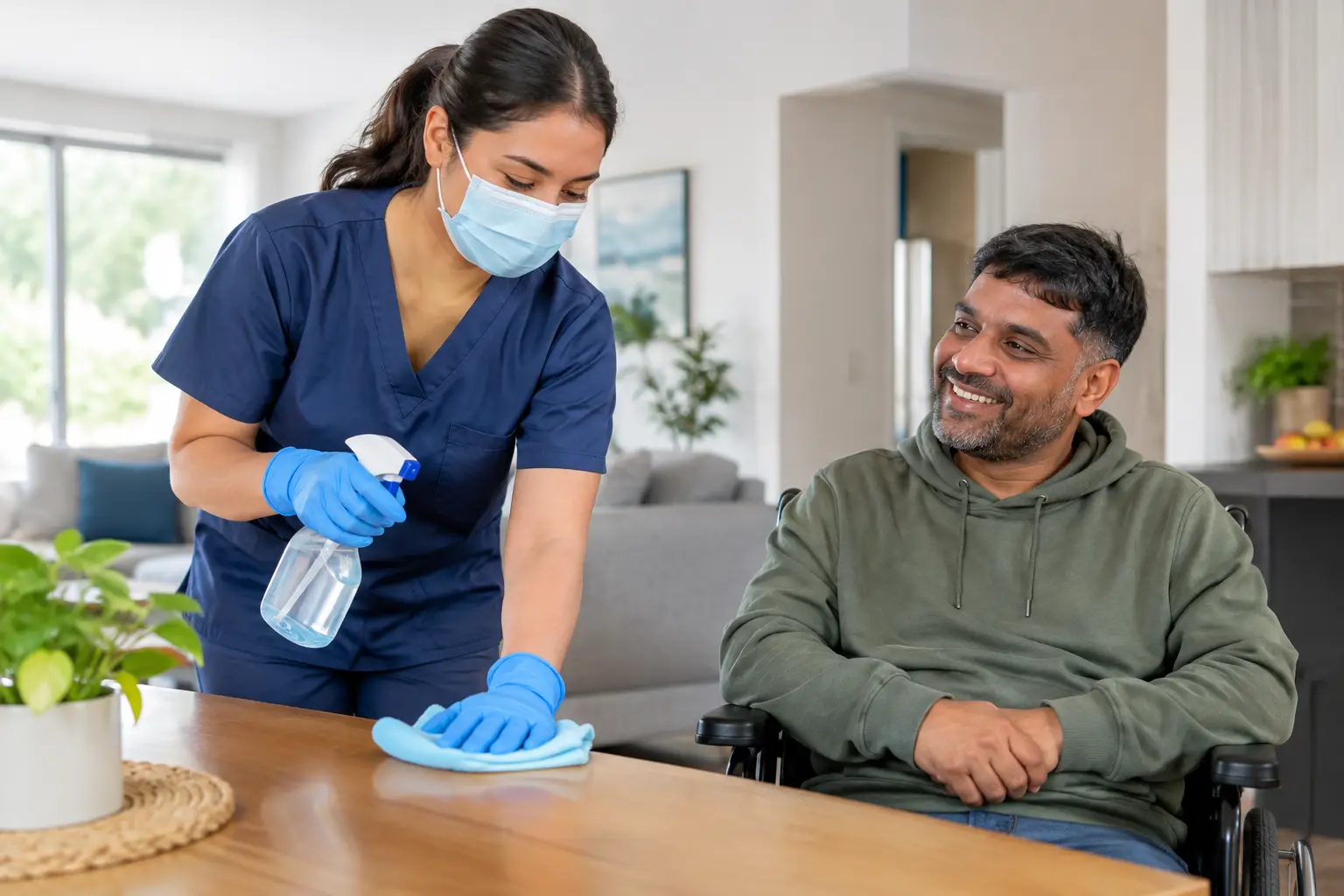
Infection Prevention in Home Supports Explained
Infection prevention in home supports: practical nurse-led steps for skin, wound, catheter and stoma care, safe routines and timely clinical escalation.


Infection prevention in home supports: practical nurse-led steps for skin, wound, catheter and stoma care, safe routines and timely clinical escalation.

Can support coordinators request clinical care reports? Learn when consent, nursing assessment and clear evidence help plan reviews and safe daily care.

Practical bowel routine documentation for carers: what to record, when to escalate, and how nurse-led plans protect dignity and safety at home each day.

Support worker competency assessment Adelaide helps nurse-led teams verify high-intensity skills, reduce clinical risk and document safe care at home.

Best documentation tips for support worker clinical tasks that support safe, dignified NDIS care, clear escalation and reliable daily nursing oversight.

See an example of nursing recommendations after hospital discharge home, including wound, continence, medication and escalation planning for participants.

See an example nursing input after discharge, including assessments, care plans, training and reports that help NDIS participants remain safe at home.
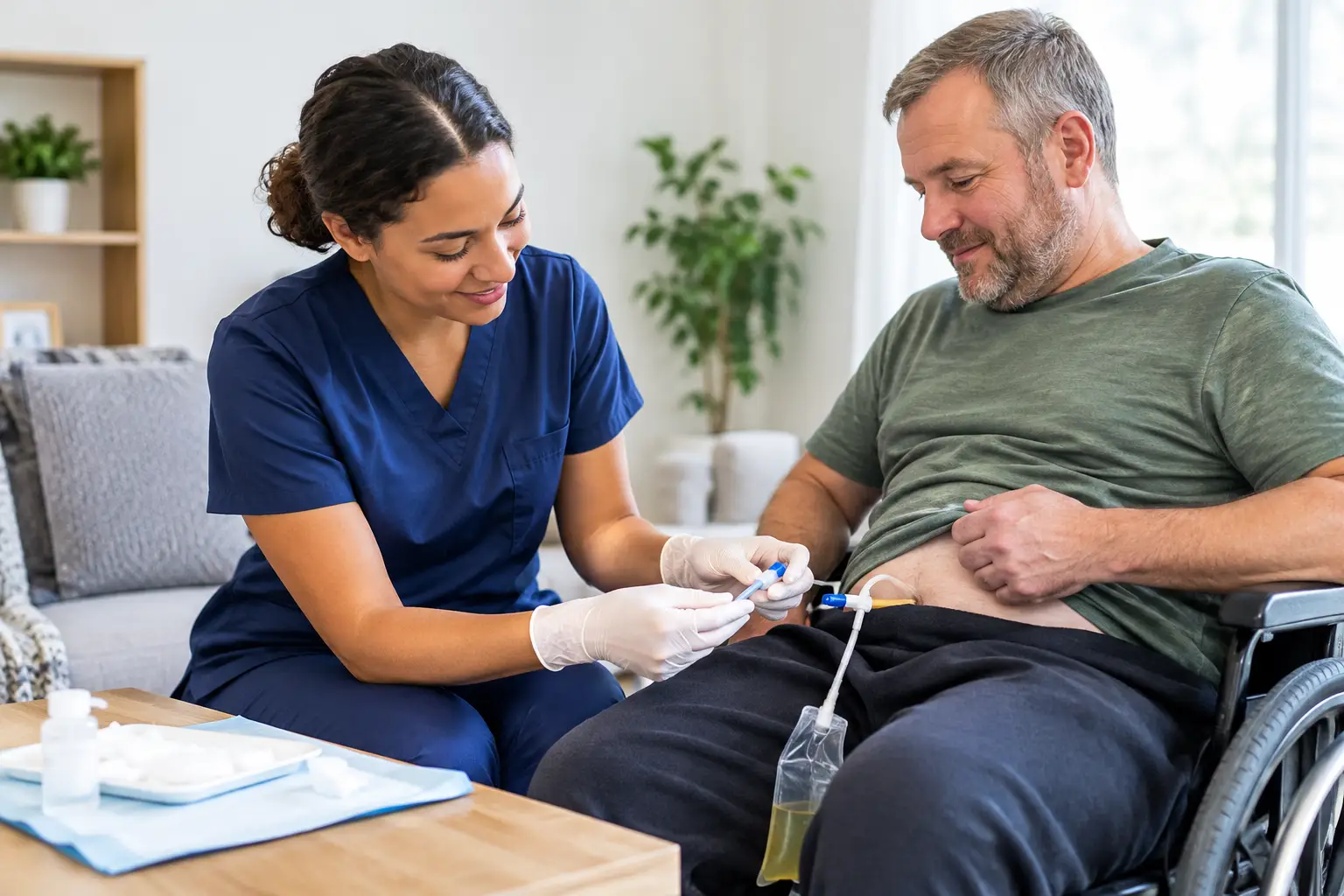
Learn the best steps for catheter routines: hygiene, drainage, monitoring, documentation and when nurse-led NDIS care is needed to keep people safe at home

Our guide to bowel and bladder support documentation explains the clinical records, risk details and nursing evidence needed for safe NDIS care at home.
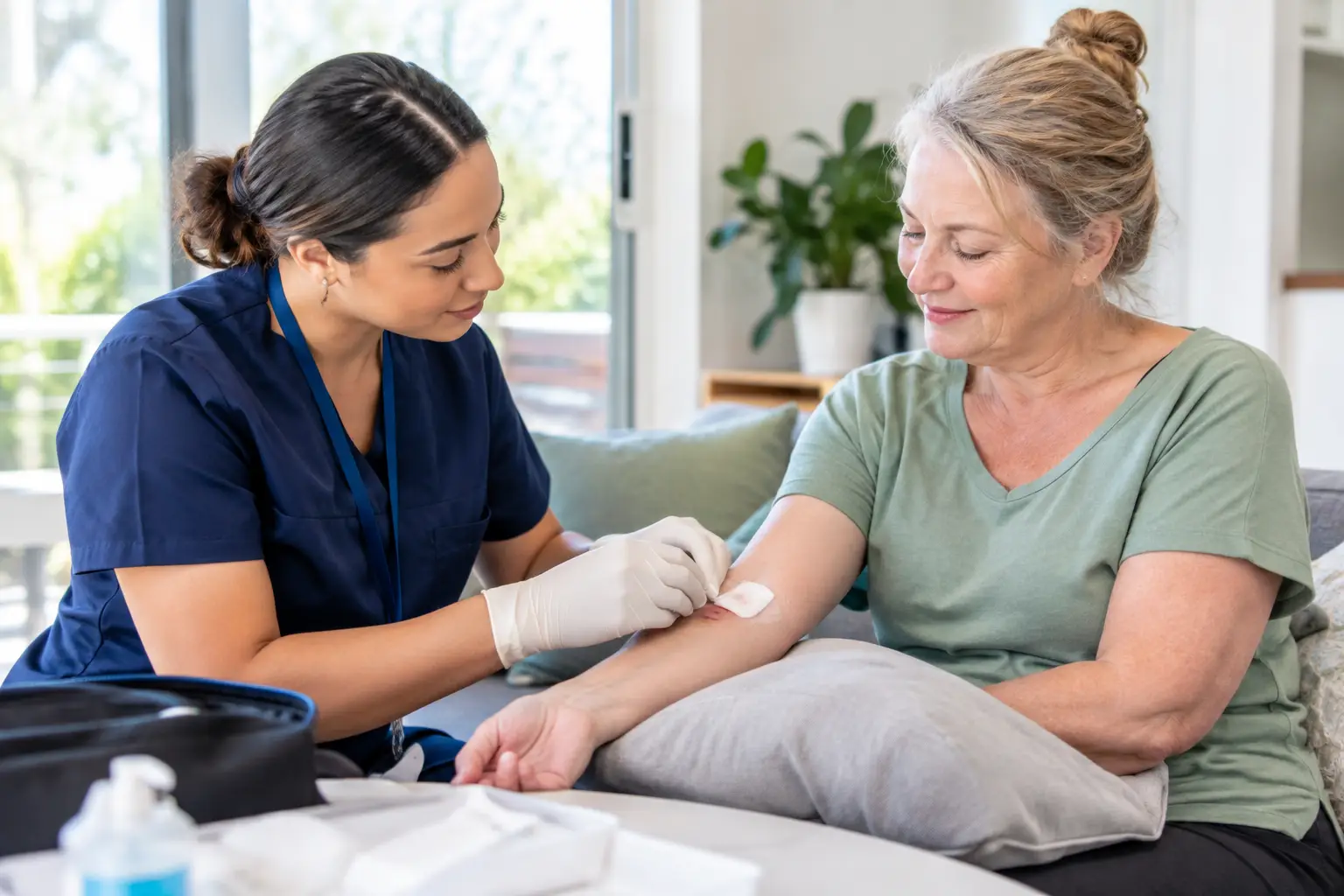
Home wound documentation review Adelaide services provide nurse-led assessment, clear clinical evidence and practical care steps for safer support at home.