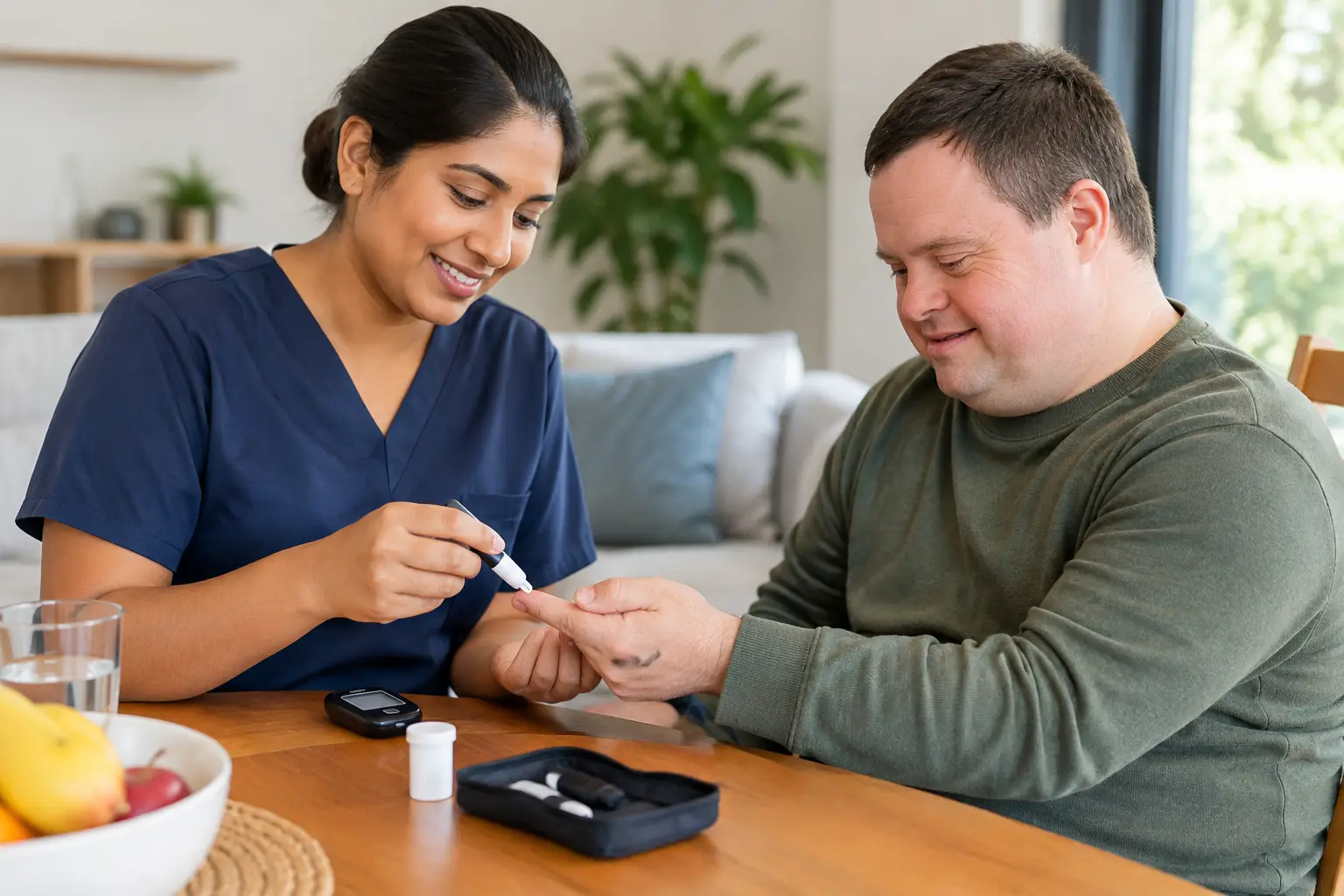
How to Manage Hypoglycaemia Safely at Home
Learn how to manage hypoglycaemia safely at home with clear emergency steps, nursing oversight and support worker training for complex NDIS care needs.


Learn how to manage hypoglycaemia safely at home with clear emergency steps, nursing oversight and support worker training for complex NDIS care needs.
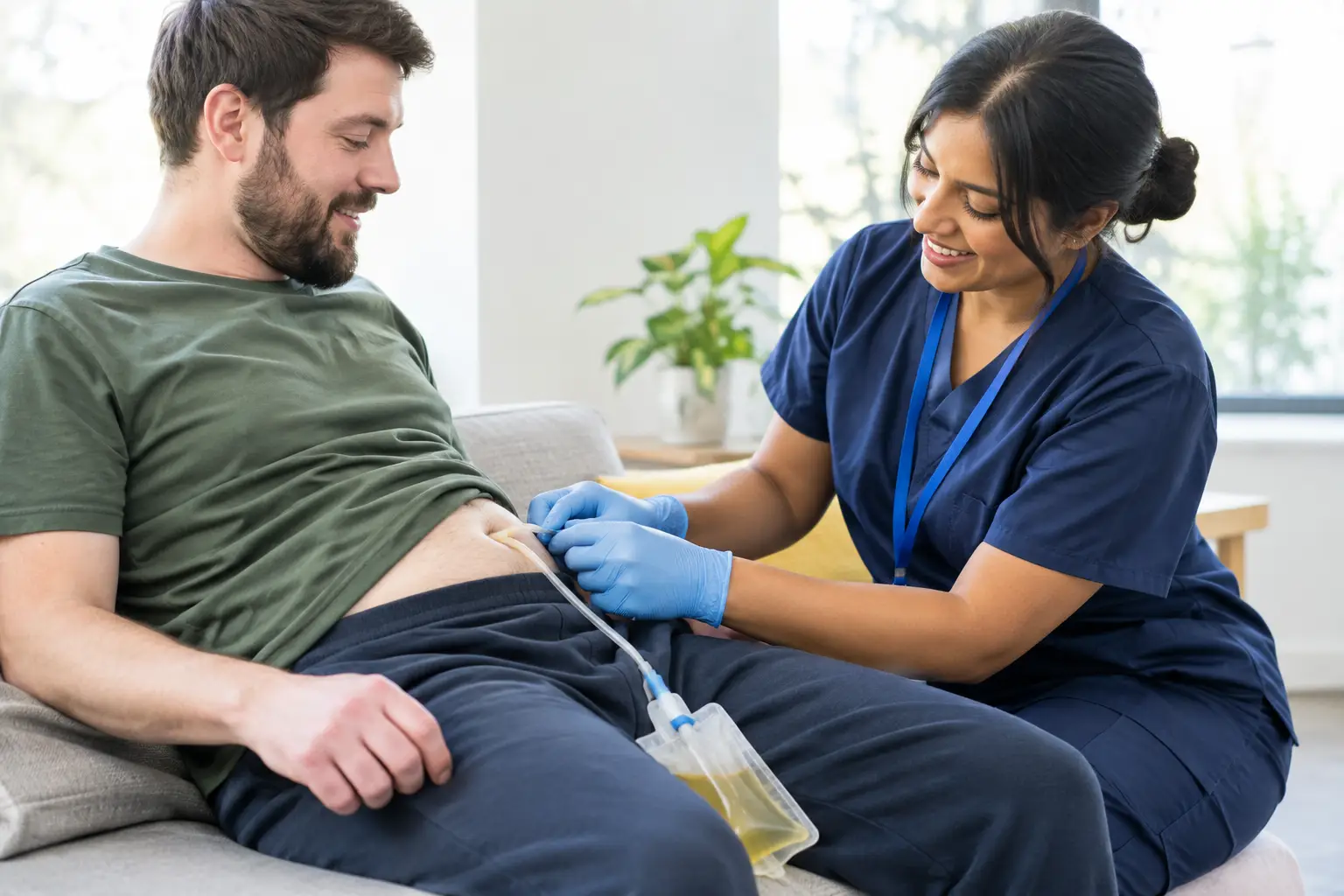
Is catheter care high intensity? Learn when nursing assessment, trained workers, clear care plans and clinical oversight are needed for safe NDIS support.

Recognise urinary infection signs, including catheter-related changes, and know when prompt nurse or GP review is needed to keep care safe at home every day.

Clinical nursing in Campbelltown, Adelaide for NDIS participants with complex needs: continence, wounds, catheters, care plans, training and reports.

Learn what a continence nurse assesses for NDIS participants, from bladder and bowel routines to skin risks, care plans, reports and staff training needs.
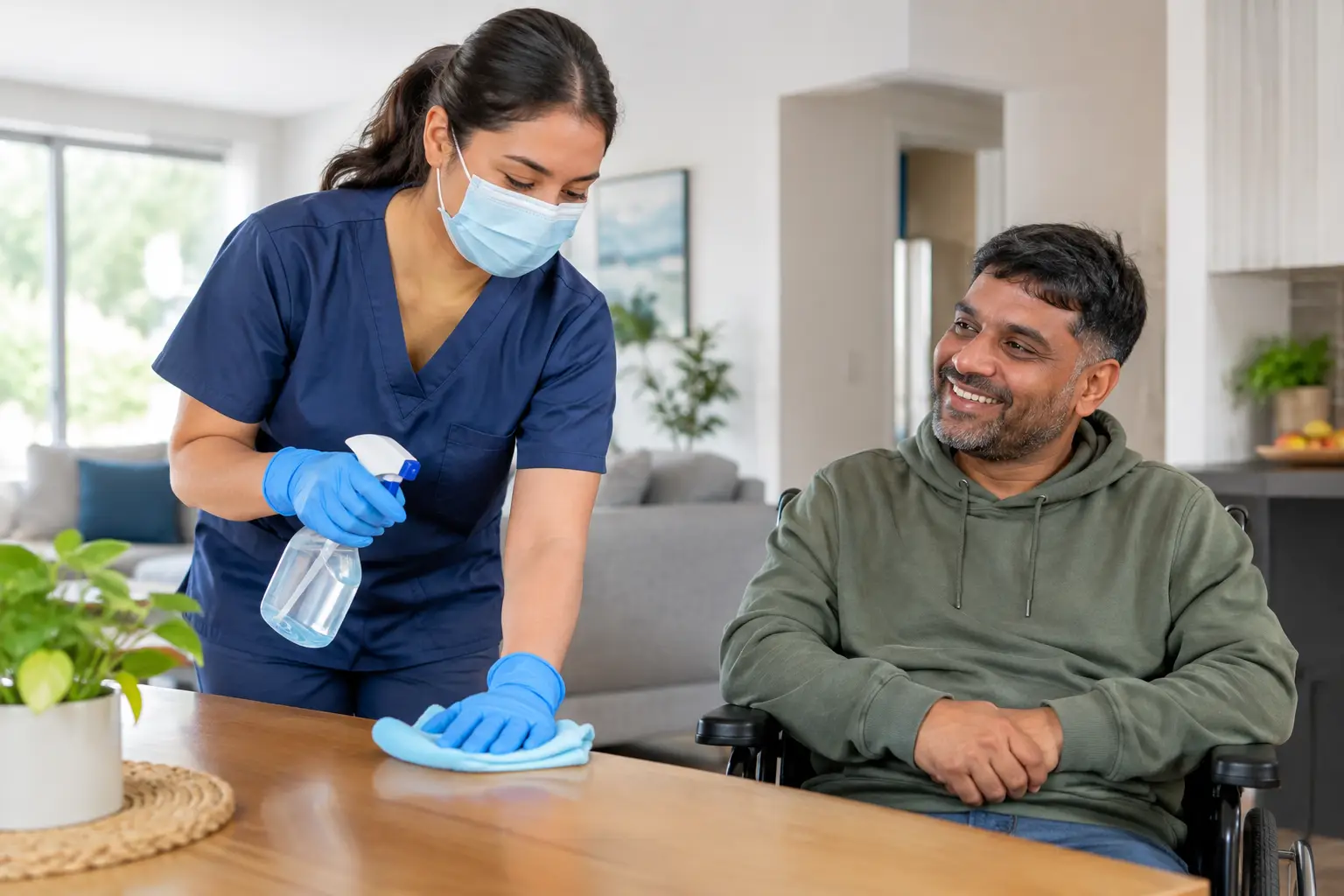
Infection prevention in home supports: practical nurse-led steps for skin, wound, catheter and stoma care, safe routines and timely clinical escalation.

Can support coordinators request clinical care reports? Learn when consent, nursing assessment and clear evidence help plan reviews and safe daily care.

Practical bowel routine documentation for carers: what to record, when to escalate, and how nurse-led plans protect dignity and safety at home each day.

Support worker competency assessment Adelaide helps nurse-led teams verify high-intensity skills, reduce clinical risk and document safe care at home.

Best documentation tips for support worker clinical tasks that support safe, dignified NDIS care, clear escalation and reliable daily nursing oversight.