


A Practical Guide to Pressure Care Seating
Our guide to pressure care seating explains clinical assessment, skin checks and daily routines for NDIS participants with complex health needs at home.


Our guide to pressure care seating explains clinical assessment, skin checks and daily routines for NDIS participants with complex health needs at home.

A practical guide to evaluating NDIS nursing assessments, with the clinical evidence, reporting and risk detail needed for safe support at home each day.

Learn how to rotate insulin sites safely, prevent lumps and support consistent insulin absorption with practical nurse-led guidance for home routines.
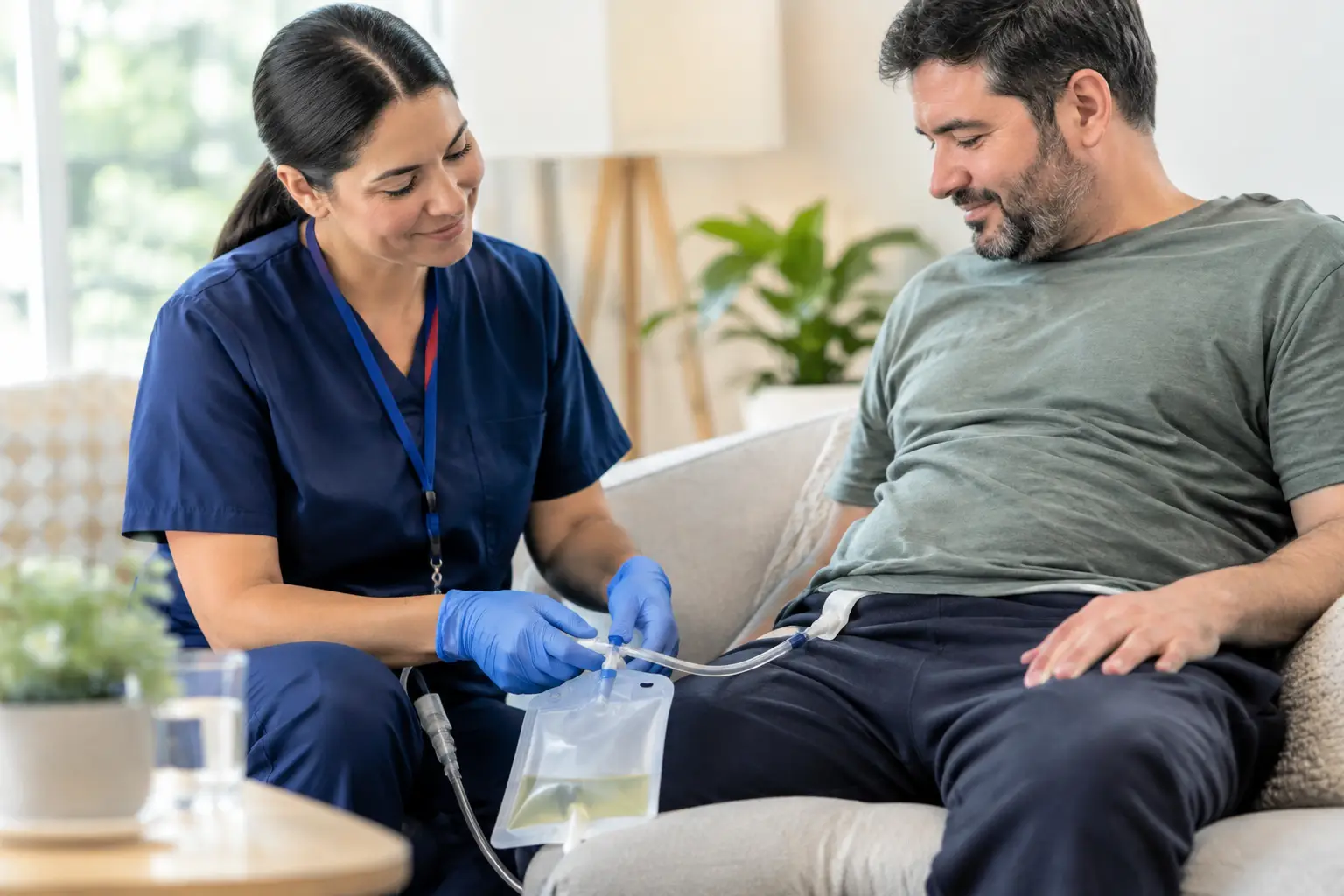
Understand catheter blockage causes, warning signs and safe next steps. Nurse-led continence support helps Adelaide participants prevent avoidable harm.

Learn how to identify medication risks at home, when nursing review is needed, and how clear care plans protect NDIS participants and staff every day.

A guide to infection risk monitoring for NDIS participants: identify early warning signs, document changes and escalate clinical concerns safely at home.

Use this wound dressing comparison to match absorbency, protection and comfort to the wound, while recognising when nurse-led assessment is needed at home.
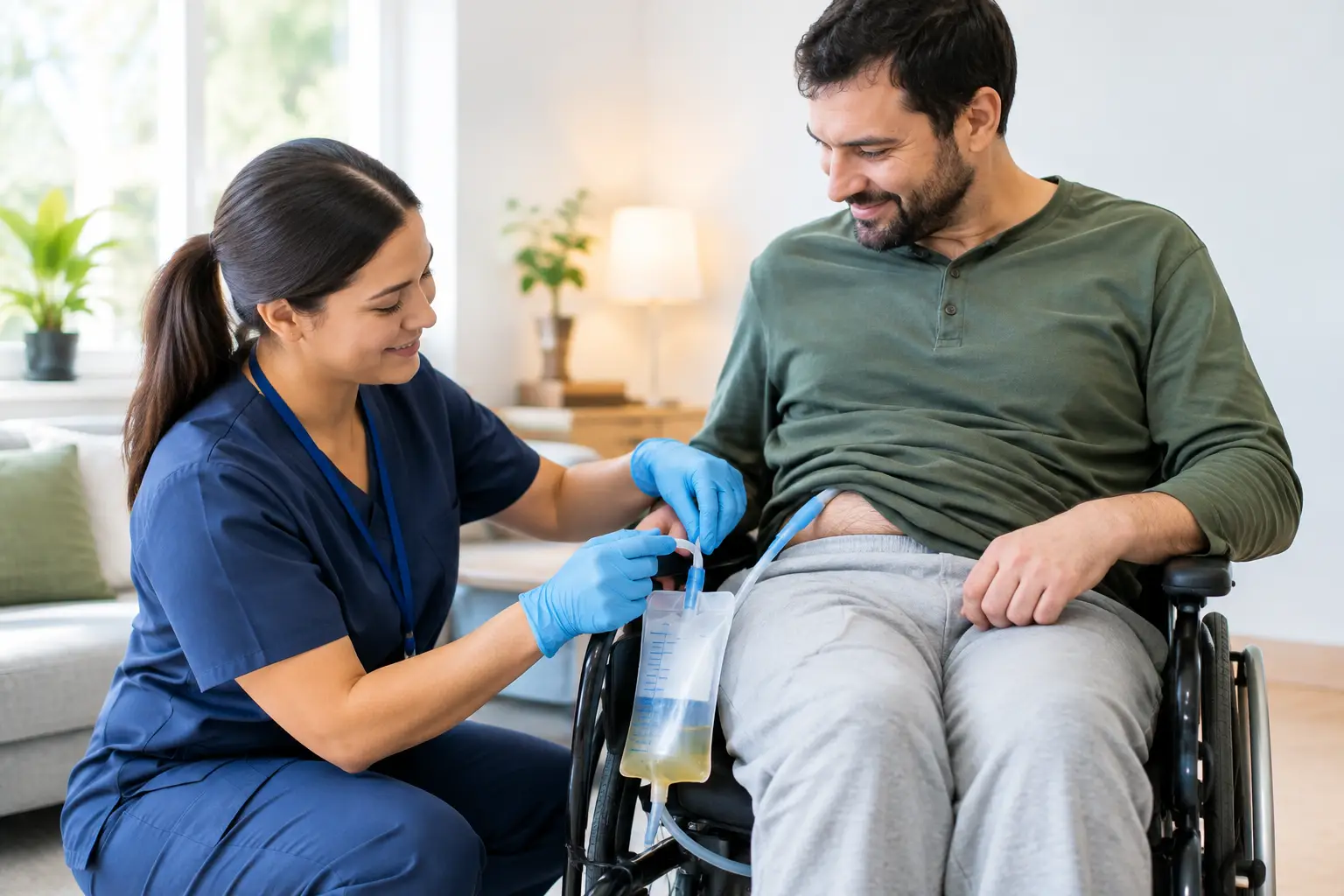
Learn practical, nurse-led ways to prevent catheter blockages, recognise early warning signs, and arrange safe clinical support at home in Adelaide today.
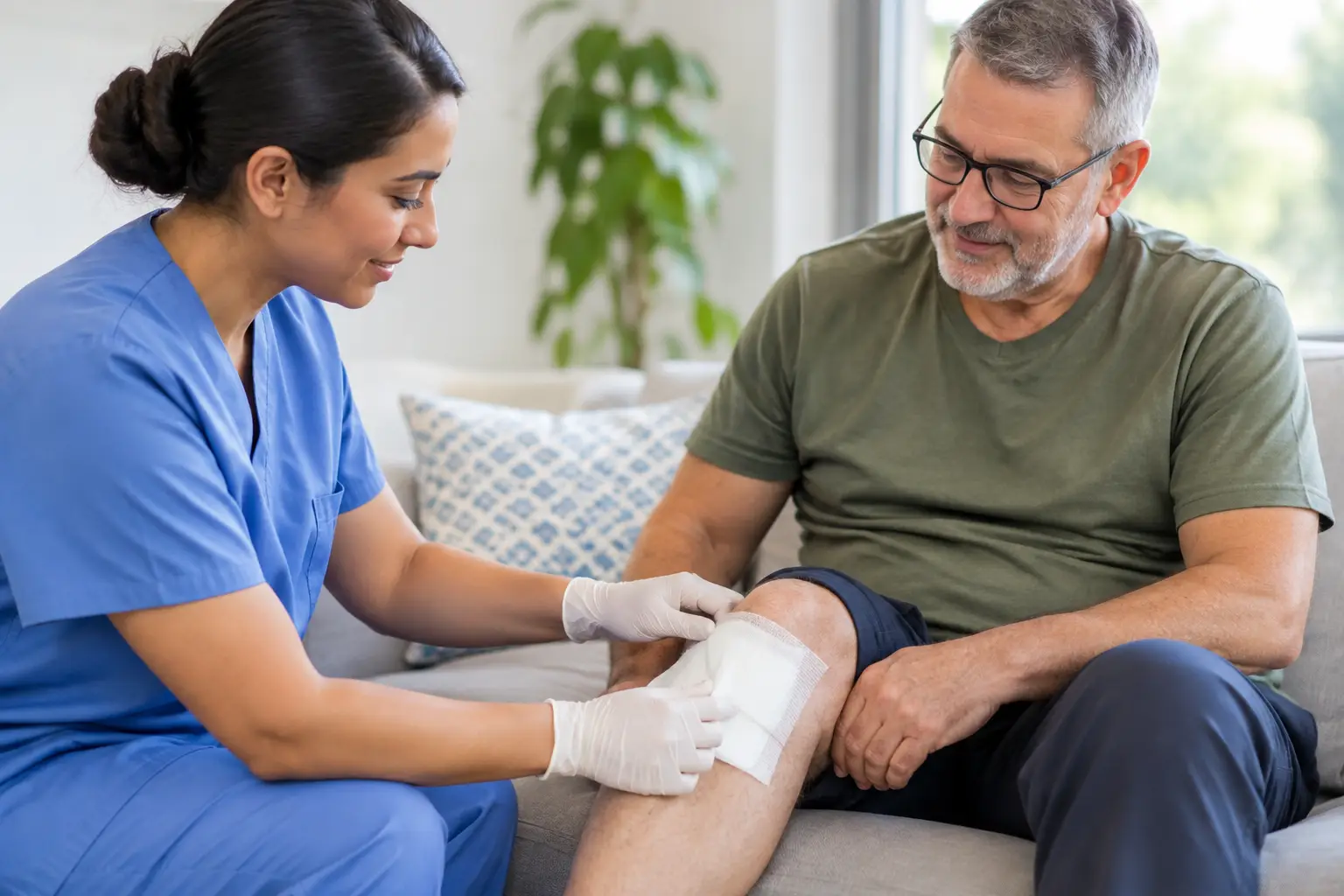
Wound dressing frequency varies with drainage, healing and dressing type. Know when nurse-led review supports safe home care and accurate care records.

Can nurses train SIL staff? Learn when nurse-led training, competency checks and clinical oversight support safe, dignity-focused high-intensity care.