
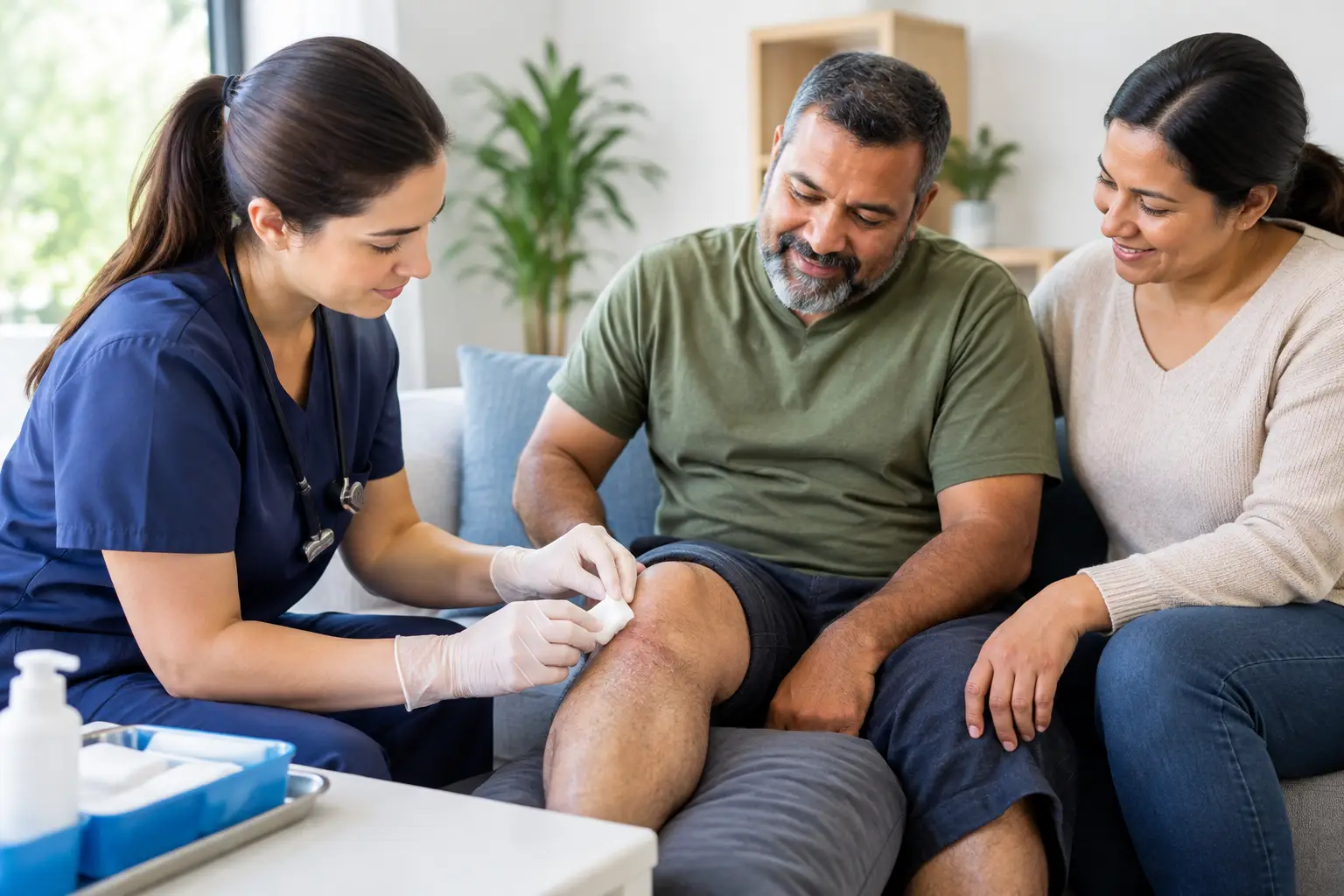
Complex Wound Support in Campbelltown, Adelaide
A wound that is slow to heal can change far more than a dressing routine. It can affect comfort, sleep, mobility, continence care, infection risk and a person’s confidence to remain at home. For people seeking complex wound support in Campbelltown, Adelaide, the right response starts with a proper nursing assessment, not simply more frequent dressing changes.
Complex wounds need clinical judgement. The wound itself matters, but so do the factors around it: pressure, moisture, diabetes, circulation, nutrition, medication, mobility, continence and whether the daily care routine is realistic for the participant and their support team. Nurse-led NDIS care brings these pieces together into a practical plan that can be followed safely in the home.
When a wound needs clinical nursing input
A wound may become complex because it is chronic, deteriorating, painful, difficult to dress, prone to infection or affected by an underlying health condition. This can include pressure injuries, skin tears that are not progressing as expected, diabetic foot wounds, wounds affected by moisture or continence, surgical wounds requiring ongoing monitoring, and fragile skin with repeated breakdown.
The concern is not always how a wound looks on one day. A wound can appear small but carry a significant risk if there is increasing pain, odour, heat, redness, leakage, swelling, delayed healing or a change in the person’s general health. Equally, a wound may be improving clinically but continue to recur because the cause has not been addressed.
Families and Support Coordinators often seek nursing input when care has become inconsistent, the participant has had repeated hospital presentations, or support workers are unsure what they can safely do. These are appropriate reasons to involve a nurse. Early assessment can clarify the risk, establish a consistent routine and identify when medical review or urgent escalation is needed.
Complex wound support in Campbelltown, Adelaide
Clinical support in the home allows nursing care to be assessed in the setting where wound management actually happens. In Campbelltown and surrounding eastern Adelaide suburbs, this can make a meaningful difference where a participant’s bed, chair, bathroom routine, continence products, mobility pattern or available support hours are contributing to skin breakdown.
A practical nursing assessment considers the wound and the person as a whole. This may include wound location and characteristics, skin condition, pain, drainage, signs of infection, current dressings, pressure exposure, mobility, hydration, diabetes management, continence needs and the capacity of those providing daily support. The nurse also reviews what is already working. A plan that ignores the participant’s preferences, tolerance or household routine is unlikely to be sustained.
There is no single dressing or wound routine that suits every person. A dressing choice may depend on the wound bed, moisture level, surrounding skin, exudate, pain and clinical advice from the treating team. Similarly, a pressure injury prevention plan must account for how long someone spends in bed or seated, their ability to reposition, and whether staff understand the required routine. Good wound care is responsive rather than formulaic.
What safe wound care looks like at home
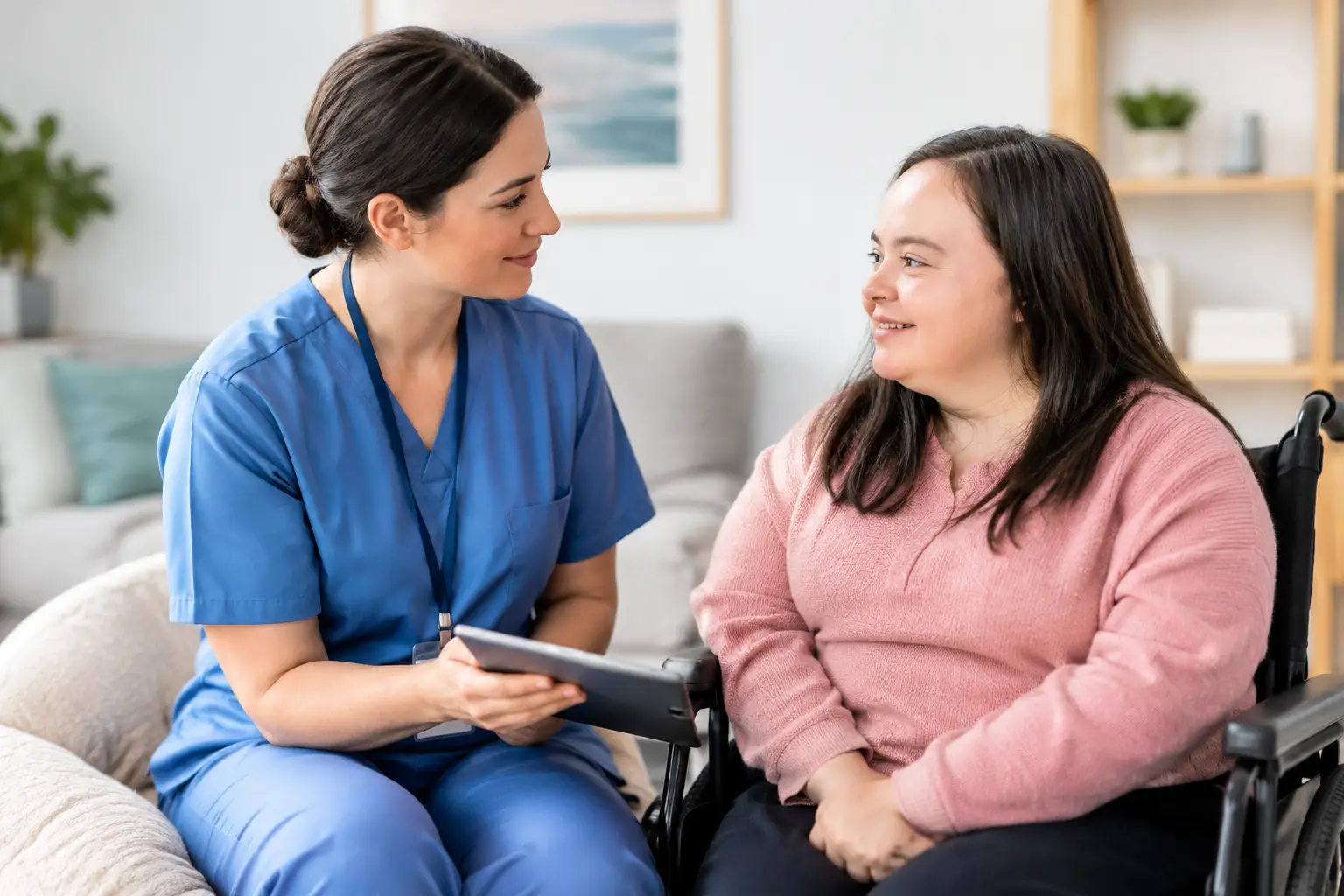
Safe, dignity-focused care should give everyone involved clear direction without turning the participant’s home into a clinical ward. The goal is to make daily care predictable, respectful and easy to escalate when something changes.
A nursing plan may set out the agreed wound-care routine, infection warning signs, skin inspection requirements, pressure care actions, continence-related skin protection and documentation expectations. It should also identify who is responsible for which part of care and when a nurse, GP, specialist or emergency service needs to be contacted.
Clear communication is especially important when several people are involved. A family member may notice a subtle change in appetite or pain. A support worker may identify new redness during personal care. A Support Coordinator may need evidence to understand why additional clinical input is required. When observations are recorded consistently and reviewed by a nurse, concerns are less likely to be dismissed or lost between shifts.
Pressure, moisture and friction are often the missing factors
Repeated pressure and shear can prevent a wound from healing even where dressings are changed correctly. Moisture from urinary or bowel incontinence can further compromise skin, particularly around the sacrum, groin, buttocks and upper thighs. Friction during transfers or repositioning can also cause fragile skin to break down.
This is why wound care often connects with continence assessment, bowel and bladder routines, pressure care and support worker education. Treating only the open area may not stop recurrence. Addressing the conditions that damage the skin is often the more important clinical task.
Infection risk needs a clear escalation pathway
Not every change means a wound is infected, and not every infection looks the same. However, increased redness, heat, swelling, pain, odour, discharge, fever, confusion, lethargy or a rapid decline in wellbeing should be taken seriously. People with diabetes, reduced sensation, poor circulation or compromised immunity may need particularly careful monitoring.
Support workers should not be left to make clinical decisions outside their role. They need simple, specific instructions about what to observe, what to document and who to contact. Support worker training and clinical oversight can build confidence while keeping decisions within an appropriate nursing and medical framework.
Documentation that helps Support Coordinators act
For Support Coordinators, a verbal update that a wound is ‘getting worse’ is rarely enough to guide a safe response. Clear reports for Support Coordinators describe the clinical issue, functional impact, identified risks, current supports, recommended nursing actions and the consequences of care not being implemented consistently.
Well-prepared nursing documentation can be useful when a participant’s needs have changed, when care arrangements are not meeting the level of risk, or when clinical evidence is required for an NDIS plan review or change of circumstances. The purpose is not to make broad promises about funding. It is to provide accurate, relevant nursing evidence so decisions can be made with a clear understanding of the participant’s health needs.
Useful referral information includes the participant’s diagnosis, current wound history, recent hospital or medical information where available, existing care plans, medication considerations, diabetes status, continence needs, current service providers and any immediate concerns. Even when all information is not available at referral, sharing what is known helps the nurse prioritise assessment and risk management.
Supporting the people delivering daily care
A wound care plan only works if the people carrying it out understand it. Inconsistent technique, missed pressure care, poor hand hygiene, unclear dressing instructions or delayed reporting can quickly undermine otherwise appropriate clinical recommendations.
Nurse-led training can translate a clinical plan into daily actions for support workers. This may cover hand hygiene and infection prevention, recognising deterioration, safe positioning guidance, skin checks, continence-related skin care, documentation and escalation. Training should be tailored to the participant’s needs rather than delivered as a generic session.
Clinical oversight also gives teams a way to ask questions as circumstances change. A participant may become less mobile after illness, a wound may produce more drainage, or a previously manageable bowel routine may begin affecting skin integrity. Ongoing review keeps care aligned with the current risk rather than an outdated plan.
A referral should not wait for a crisis
Wound deterioration can be gradual, and families often carry the burden quietly until care becomes unmanageable. Referral for complex health support is worth considering when healing stalls, skin breakdown repeats, wound care is causing distress, support staff need clinical direction, or the current plan does not explain how risks will be monitored and escalated.
Compassion Wings provides practical nursing assessments, clinical care plans, support worker training and nursing reports for participants who need reliable clinical support in the home. The focus is on helping participants stay safe at home while giving families, support teams and referrers clear, clinically sound guidance.
If a wound is changing, painful, recurring or difficult to manage, the most helpful next step is often a nursing assessment that looks beyond the dressing. Clear clinical direction can protect skin, reduce uncertainty and give everyone involved a safer way forward.