
How to Monitor Diabetic Foot: A Daily Care Plan
A small blister, split in the skin or patch of redness can become serious quickly when diabetes affects circulation or sensation. People often search for “how to monitor diabetic foot”, but the safest approach is not simply looking at the feet when there is pain. It is a consistent daily routine, with clear action when something changes.
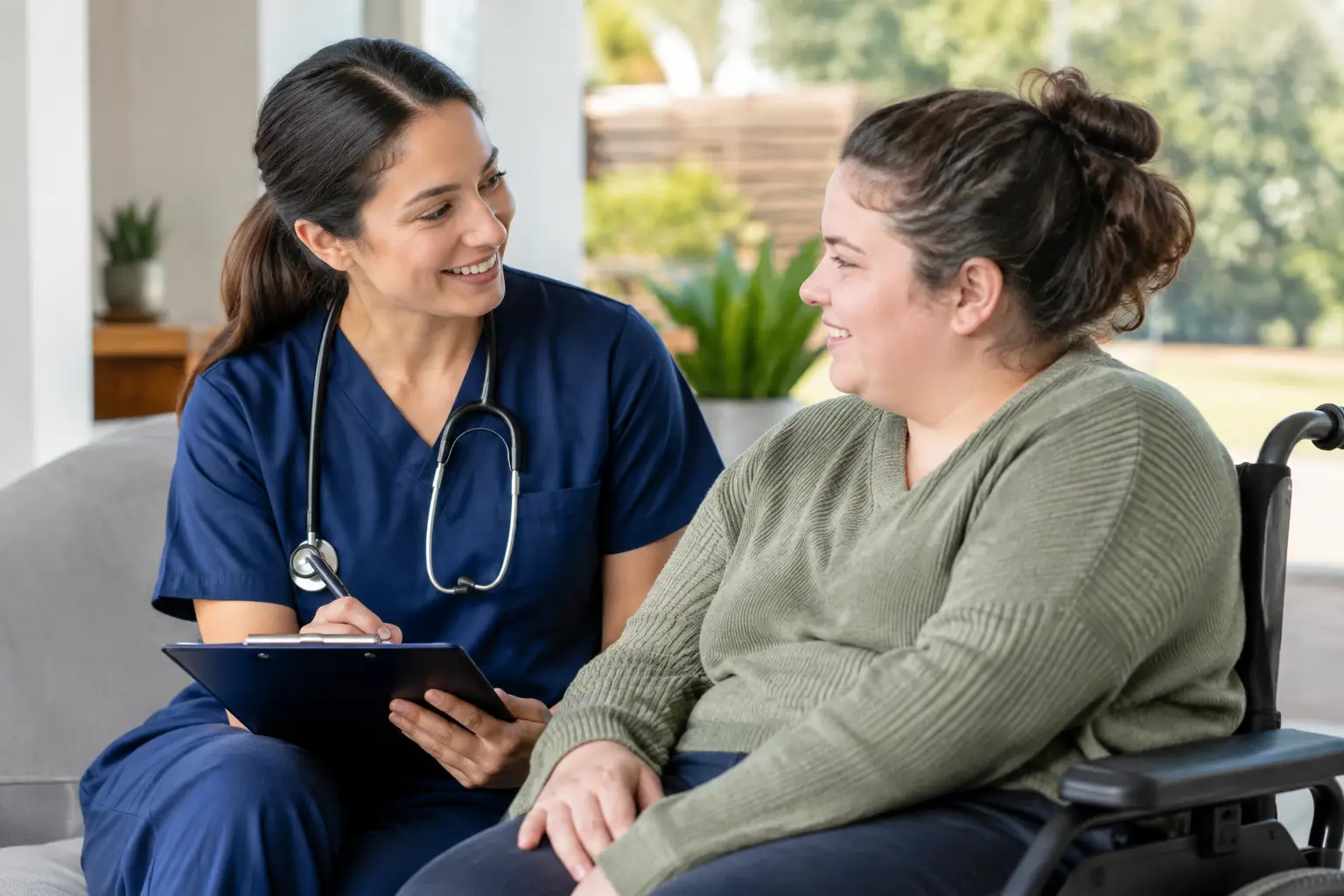
For NDIS participants with reduced sensation, vision changes, limited mobility, cognitive impairment or a history of wounds, foot checks may need to be built into everyday clinical support in the home. The goal is early detection, safe escalation and preserving skin integrity before a minor concern becomes a wound, infection or hospital presentation.
Why diabetic foot monitoring needs a routine
Diabetes can damage nerves in the feet, known as peripheral neuropathy. A person may not feel a stone in their shoe, a rubbing seam, a burn from hot water or the early stages of a blister. Diabetes can also reduce blood flow, which may slow healing and increase the risk of infection.
This creates a difficult trade-off: a foot may look like a minor issue but need prompt review, while waiting for pain as a warning sign can be unsafe. Daily observation gives the participant, family and support team a reliable baseline. It also makes it much easier to describe what has changed and when.
Monitoring should never be used to replace regular diabetes reviews, podiatry care or medical treatment. It is a practical safety measure that helps the right clinician become involved sooner.
How to monitor diabetic foot each day
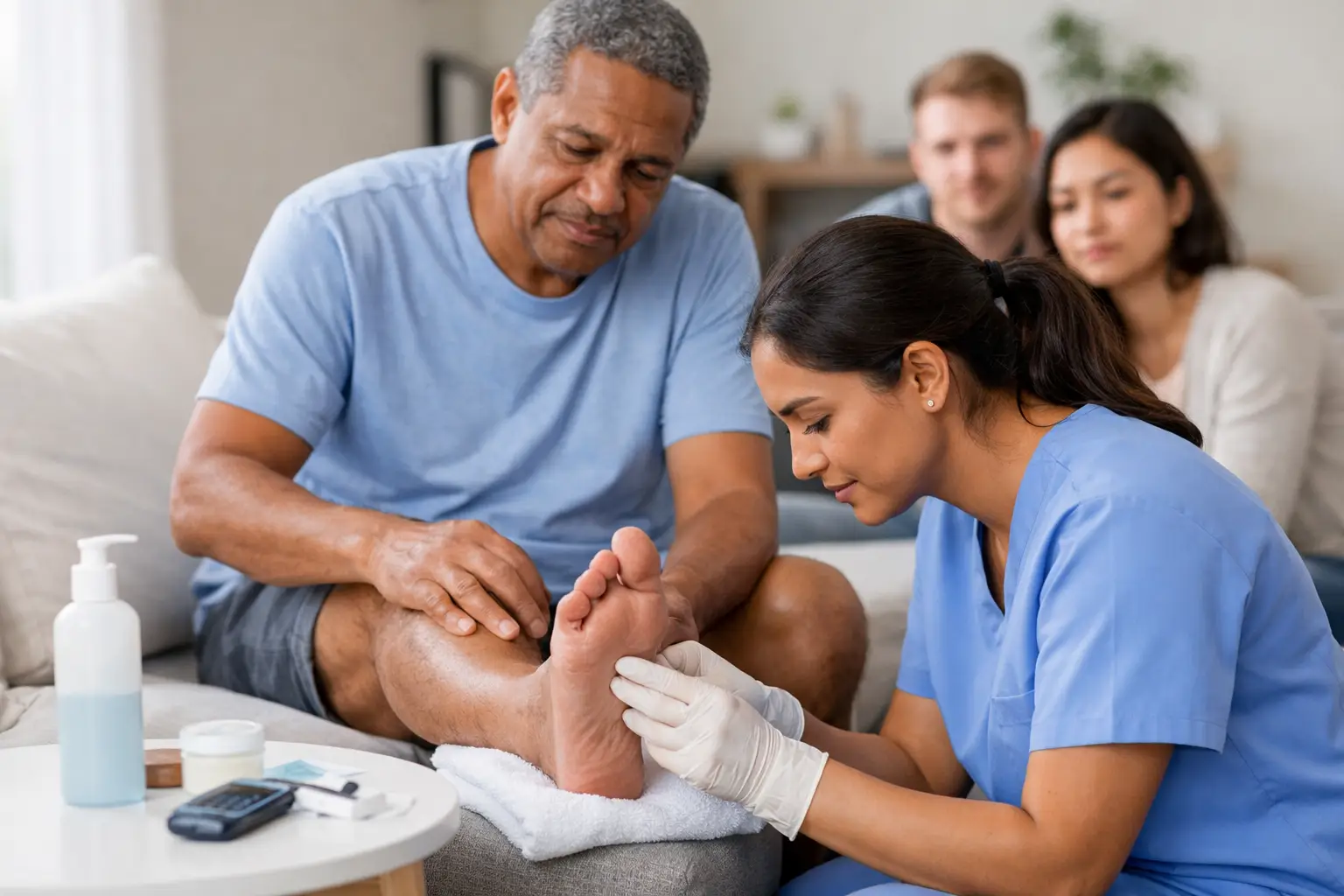
Choose a regular time, such as after showering, dressing or before putting on socks. Consistency matters more than the time of day. Check both feet, including the soles, heels, sides, ankles and between every toe. If the participant cannot safely see or reach their feet, use a long-handled mirror or arrange for a trained person to assist in a dignity-focused way.
Look first at the skin. Notice any new redness, purple or darkened areas, swelling, cracks, blisters, cuts, scratches, corns, calluses, peeling skin or discharge. Check whether a previous wound has changed in size, colour, moisture or odour. Also look for dry skin that could split, particularly around the heels.
Then check the toes and nails. Ingrown nails, thickened nails, fungal changes and skin between the toes can create pressure points or breaks in the skin. Do not cut corns, calluses or nails aggressively at home, and do not use chemical corn treatments unless specifically directed by an appropriate clinician. A small cut during nail care can be high risk for someone with diabetes.
Footwear needs checking as well. Before shoes go on, feel inside for stones, loose stitching, sharp edges, dampness or objects that may rub. Socks should be clean, dry and free of tight seams. Shoes should fit well, with enough room around the toes and no area that causes rubbing. New shoes should be introduced carefully, as a shoe that feels comfortable at first can still create pressure after several hours.
If the person has reduced sensation, they should avoid walking barefoot indoors or outdoors. They may not feel an injury from hot paving, a splinter or a knocked toe.
Check temperature safely
A noticeably warmer area can be an early sign of inflammation, pressure or infection. Compare one foot with the other using the back of a hand, rather than relying on the participant’s ability to feel heat. Do not use a hot water bottle, heat pack or very hot foot bath to warm cold feet. Neuropathy can make burns more likely.
If there is a new temperature difference together with redness, swelling or a change in foot shape, seek prompt clinical advice. This can be particularly important where Charcot foot has been diagnosed or is suspected.
Changes that need same-day action
Some signs should not wait for the next routine appointment. Contact the participant’s GP, diabetes team, podiatrist or treating clinician promptly if there is a new wound, blister, crack, ulcer, spreading redness, swelling, pus, unusual odour or increasing warmth.
A black, blue, pale or cold toe or foot may suggest a circulation problem and needs urgent medical assessment. So does a new misshapen foot, sudden swelling, or inability to bear weight, even if the person says it is not painful.
Seek urgent medical care for signs of a significant infection or illness, such as fever, chills, confusion, rapidly spreading redness, red streaks, severe weakness, vomiting or very high blood glucose alongside a foot wound. In an emergency, call 000.
Do not ask support workers or family members to debride dead skin, drain a blister, cut an ulcer or apply unapproved creams and dressings. Well-intended treatment can damage tissue, hide deterioration or introduce infection. Cover an open area with a clean, non-adherent dressing if advised in the care plan, reduce pressure on the area, and arrange clinical review.
Record what is seen, not just what is assumed
Clear documentation turns a daily check into useful clinical information. A simple foot-monitoring record should state the date and time, which foot is affected, the exact location, what was observed, whether there was pain or reduced sensation, and what action was taken.
For example, “two-centimetre area of non-blanching redness on the right heel, skin intact, noticed after removing shoes” is more helpful than “heel looks sore”. If a clinician has approved photographs for monitoring, follow consent, privacy and documentation requirements carefully. Photos should support, not replace, an in-person assessment when a wound is concerning.
Support Coordinators and families benefit from this level of clarity because it shows whether a concern is isolated, recurring or worsening. It also supports clear reports for Support Coordinators where changing clinical needs may require evidence for a plan review or change of circumstances.
When daily monitoring needs nurse-led oversight
A participant may need more than a basic visual check if they have a current or previous foot ulcer, peripheral neuropathy, poor circulation, kidney disease, recurrent infections, limited mobility, poor vision or difficulty communicating symptoms. The same applies where workers are supporting insulin routines, glucose monitoring, wound care or complex medication schedules.
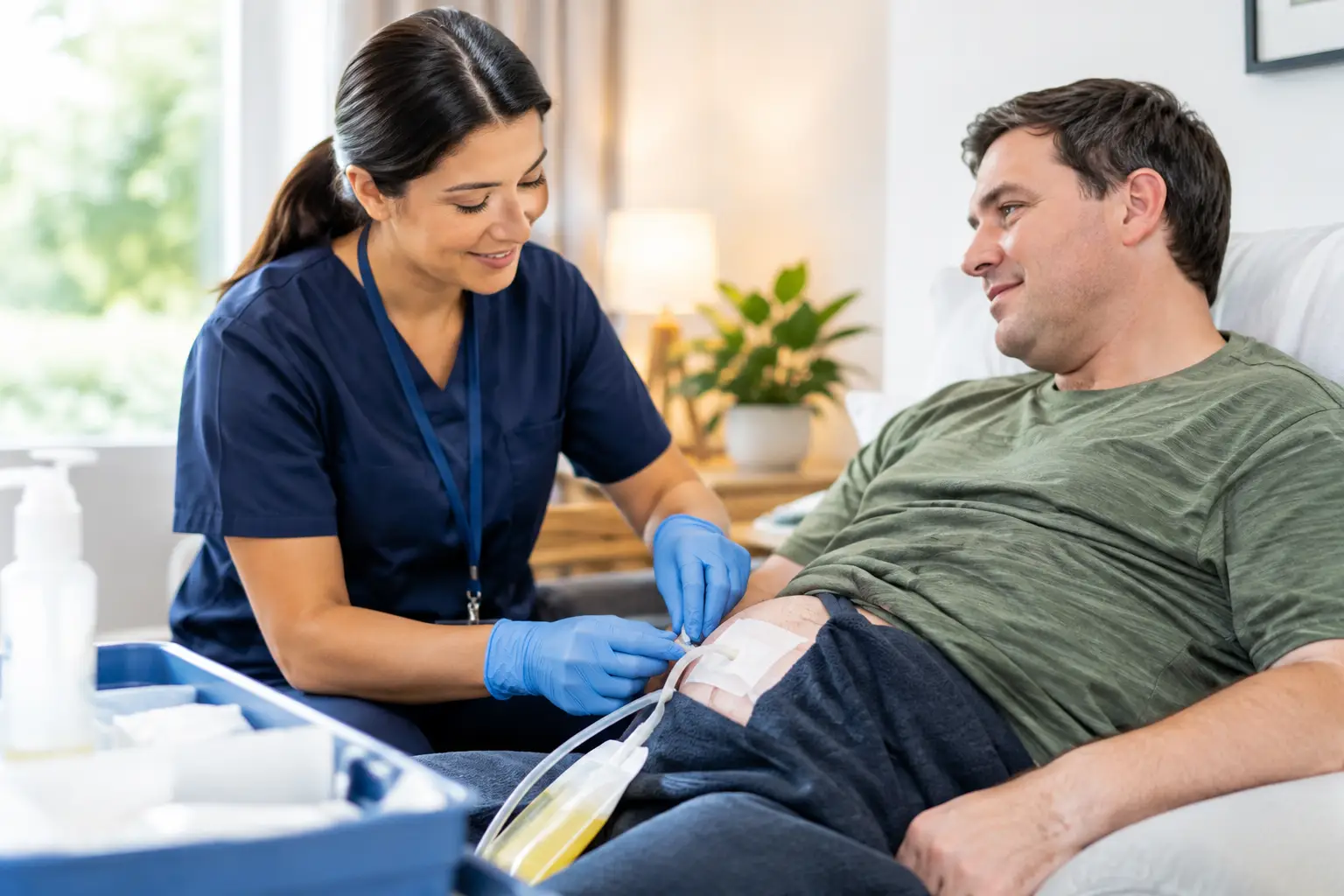
Nurse-led NDIS care can assess the person’s individual risks and turn broad advice into a practical care plan. This may include the frequency of skin checks, wound escalation pathways, safe footwear considerations, glucose-related observations, approved dressing instructions and exactly when workers must contact a nurse, GP or emergency service.
Support worker training and clinical oversight are especially valuable when several people provide care across a roster. Everyone should understand what a concerning foot change looks like, what they are authorised to do, how to document it and who to call. This reduces the risk of a concern being noticed on one shift but not acted on until days later.
A respectful approach to assisted foot checks
Foot care can feel personal, particularly for participants who have experienced repeated medical treatment or need assistance with intimate care. Explain what will happen, seek consent each time, preserve privacy and involve the participant as much as possible. A person who can point out a usual pressure spot, choose the timing of the check or report a change in their footwear is actively contributing to safer care.
For families and referrers in Adelaide, practical nursing assessments can identify gaps before they become crises. Compassion Wings provides clinical support in the home for participants with complex health support needs, including skin integrity monitoring, wound care planning, diabetes support, staff education and nursing documentation.
The most useful daily check is the one that happens consistently, is recorded clearly and leads to early action when a foot no longer looks like the participant’s normal foot.