

When Is a Pressure Area Assessment Needed in Adelaide?
A red mark that does not fade after pressure is removed can be easy to dismiss, particularly when a participant is otherwise well. But for people with limited mobility, altered sensation, continence concerns or complex health needs, that mark can be an early warning sign. For families and Support Coordinators searching for pressure area assessment Adelaide, timely nursing input can help identify risks before skin breakdown becomes a wound, infection risk or hospital presentation.
Pressure care is not simply about checking skin and recommending a cushion. It involves understanding the participant’s health, movement, daily routine, support arrangements, continence needs, nutrition and ability to recognise or communicate discomfort. A practical nursing assessment turns these factors into clear, safe actions that can be followed at home and documented appropriately.
What is a pressure area assessment?
A pressure area assessment is a structured clinical review of skin integrity and the factors that may increase a person’s likelihood of developing pressure injuries. Pressure injuries can occur when skin and the tissue beneath it are exposed to sustained pressure, friction or shear. They are commonly seen over bony areas such as the heels, sacrum, hips, ankles, elbows and shoulder blades, although risk areas differ according to a person’s position and mobility.
A nurse-led assessment considers more than what can be seen on the skin that day. It reviews whether the participant can reposition independently, how long they spend in bed or seated, whether transfers create friction or skin dragging, and whether moisture from perspiration, bowel or bladder leakage is affecting the skin barrier.
It should also account for clinical factors that can slow healing or make skin more vulnerable. These may include diabetes, reduced circulation, weight changes, poor appetite, dehydration, infection, medication effects, oedema, cognitive changes and reduced sensation. The findings guide a realistic plan for the participant, family and support team.
When should a Support Coordinator or family refer?
A referral is appropriate when there is a current pressure injury, a non-blanching red area, broken skin, a recurring skin concern or uncertainty about how to manage a known risk. Nursing input is also valuable before a problem develops when a participant has recently become less mobile, returned home after hospital, started spending more time in bed or has a change in continence, health status or support needs.
Pressure risk is often missed when routines change gradually. A participant may begin staying in their chair longer because transfers are tiring. A new catheter or bowel routine may increase moisture exposure. A period of illness can reduce appetite and movement. Each change may appear manageable on its own, but together they can significantly affect skin integrity.
Support Coordinators may also need a referral where several providers are involved and no one has clear clinical oversight. In these circumstances, a nursing assessment can establish who is monitoring the skin, what needs to be recorded, when concerns must be escalated and what training support workers require.
Signs that need prompt clinical attention
New discolouration, persistent redness, warmth, hardness, swelling, pain, blistering, broken skin, odour or drainage should be reviewed promptly. Darker skin tones may not show redness in the same way, so changes in temperature, texture, tenderness or colour should not be overlooked.
A wound that is worsening, looks infected, is associated with fever or unwellness, or cannot be safely managed within the existing plan requires urgent medical escalation. A nurse can assess, document and coordinate next steps, but emergency symptoms should never wait for a routine appointment.
What a nurse-led assessment looks at
Effective pressure care starts with listening to the participant and the people who provide day-to-day support. They often know exactly when discomfort occurs, which positions are difficult, how skin changes over a week and where the current routine breaks down.
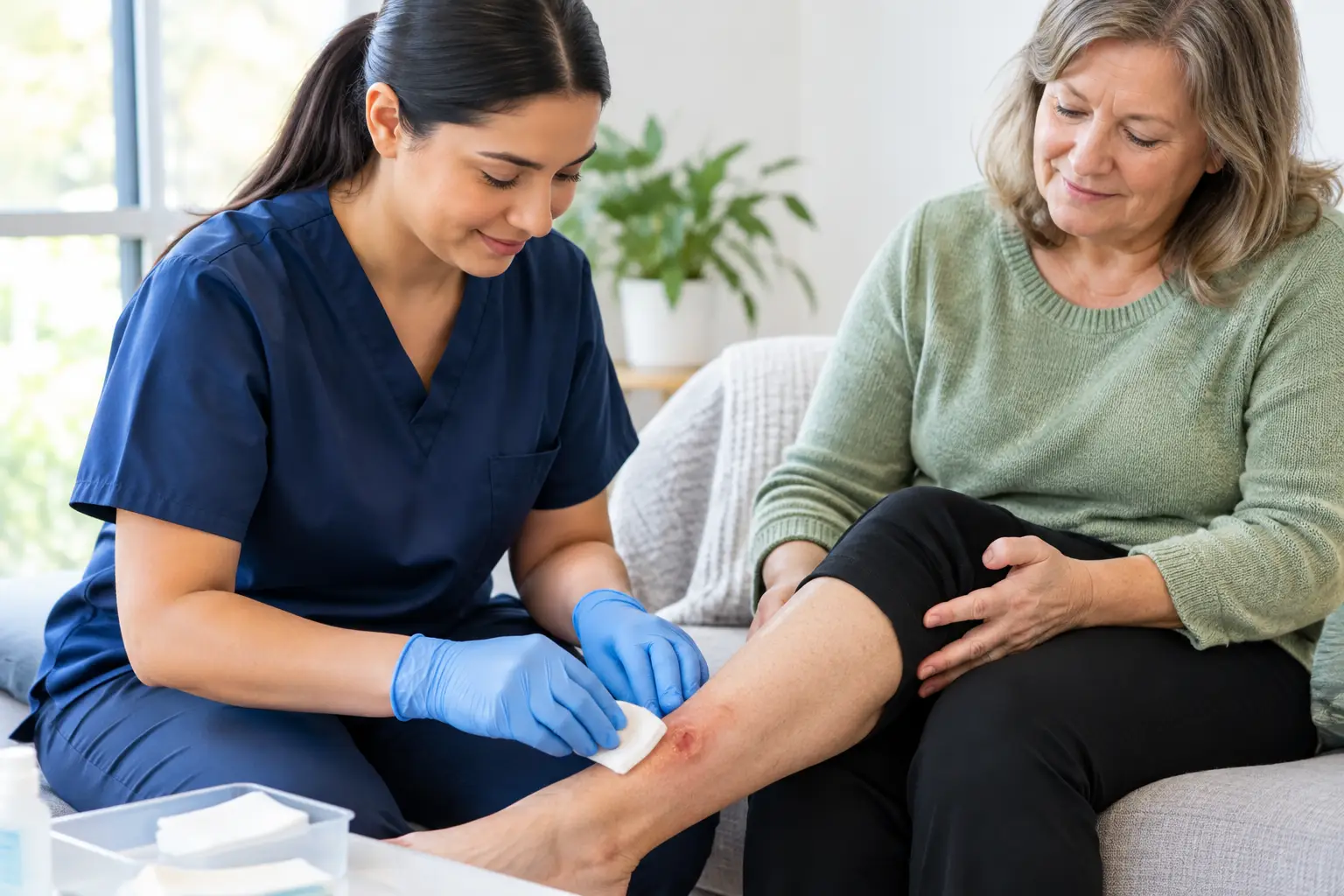
During a pressure area assessment in Adelaide, a nurse may review skin condition, current wounds or dressings, mobility and transfer practices, seating and bed positioning, continence-related skin exposure, personal care routines, nutrition and fluid concerns, medical history and relevant medication. The nurse will also consider whether the participant can shift weight, report pain or inspect their own skin.
The assessment should be practical. Advice that requires constant repositioning may not be realistic if the participant has limited support, fatigue, pain or a complex transfer routine. Similarly, a plan that relies on support workers recognising early skin changes must include clear descriptions, documentation expectations and escalation pathways.
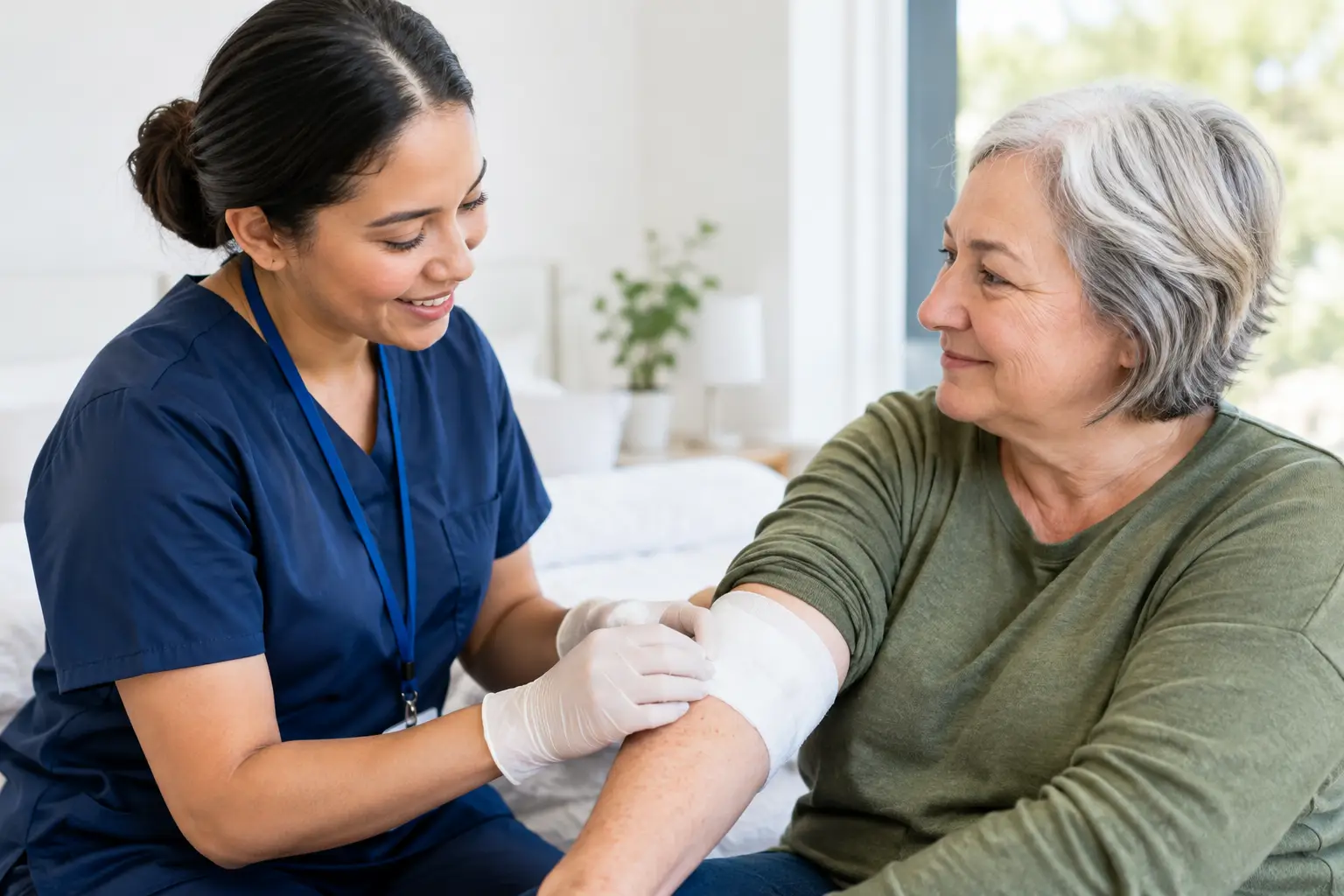
Where indicated, the nurse can provide clinical support in the home, monitor healing, liaise with the participant’s treating team and update the care plan as needs change. This is especially helpful where a pressure injury sits alongside continence care, diabetes, catheter use or other factors that increase skin and infection risk.
Turning assessment findings into a workable care plan
A pressure care plan should make daily decisions easier, not create a document that sits unread in a folder. It needs to set out the participant’s individual risk areas, usual skin condition, prevention strategies, current treatment requirements and signs that require escalation.
For example, a plan may clarify how skin should be checked during routine care, how often position changes are needed according to the clinical recommendation, how moisture exposure is managed, and who needs to be contacted if a change is identified. It should use language that the participant and support team can understand while retaining the clinical detail needed for safe implementation.
The right approach depends on the person. Some participants need close monitoring after a period in hospital; others need a stable preventative routine and periodic review. A person who spends long periods seated may have different risks from someone who is bed-bound. Pressure care should never be reduced to a generic turning schedule without considering comfort, tolerance, movement, health status and the participant’s own preferences.
Why support worker training matters
A well-written care plan is only useful when the people delivering daily support understand how to follow it. Support worker training and clinical oversight can reduce uncertainty around skin checks, safe repositioning, continence-related skin care, wound observations and escalation.
Training should be specific to the participant’s clinical needs. Support workers may need to know what a concerning change looks like, what information to record, how to avoid friction during care, and when to contact the nurse rather than waiting for the next shift. This protects participant dignity as well as safety, because concerns can be addressed early and respectfully.
For providers and SIL teams supporting a participant with complex health support needs, training also helps establish consistent practice across different staff members. Consistency matters when subtle skin changes must be identified over days rather than weeks.
Clinical documentation that supports coordinated care
Pressure area concerns often require communication between families, Support Coordinators, support teams, GPs, wound specialists and other treating clinicians. Clear nursing documentation gives everyone a reliable starting point.
A clinical report may outline assessment findings, identified risks, current skin or wound status, recommended care actions, required support worker competencies, monitoring needs and escalation requirements. Where a participant’s needs have changed, clear reports for Support Coordinators can provide evidence of the clinical impact on daily care and the supports required to implement a safe plan.
Documentation should be factual and current. It should describe what has been observed, what actions are clinically recommended and why those actions are necessary. This is more useful than vague statements about high needs, particularly when a plan review or change of circumstances requires a clear picture of risk and care complexity.
Preparing for a pressure care referral
A referral can move more efficiently when the nurse receives relevant information early. This may include recent hospital discharge information, medical diagnoses, current wound or continence plans, medication lists, photos taken in line with consent and organisational procedures, recent incident notes, and details of the participant’s current support arrangement.
It is also helpful to explain what has changed and what the referring team needs from the assessment. The priority may be a skin integrity review, a wound care plan, staff training, a nursing report, ongoing monitoring or support with escalating an emerging concern. A clear referral question allows the assessment to focus on the most urgent clinical risks.
Compassion Wings provides nurse-led NDIS care across Adelaide for participants who need practical nursing assessments, safe care plans, clinical reporting and ongoing oversight. The focus is on helping participants stay safe at home while ensuring families and referral teams have clear, clinically sound guidance.
When skin integrity is at risk, early assessment is usually less disruptive than responding after a wound has developed. A calm, thorough nursing review can bring clarity to the next shift, the next care plan and the next decision about how to keep daily support safe and dignity-focused.