
Health Monitoring for Complex NDIS Participants
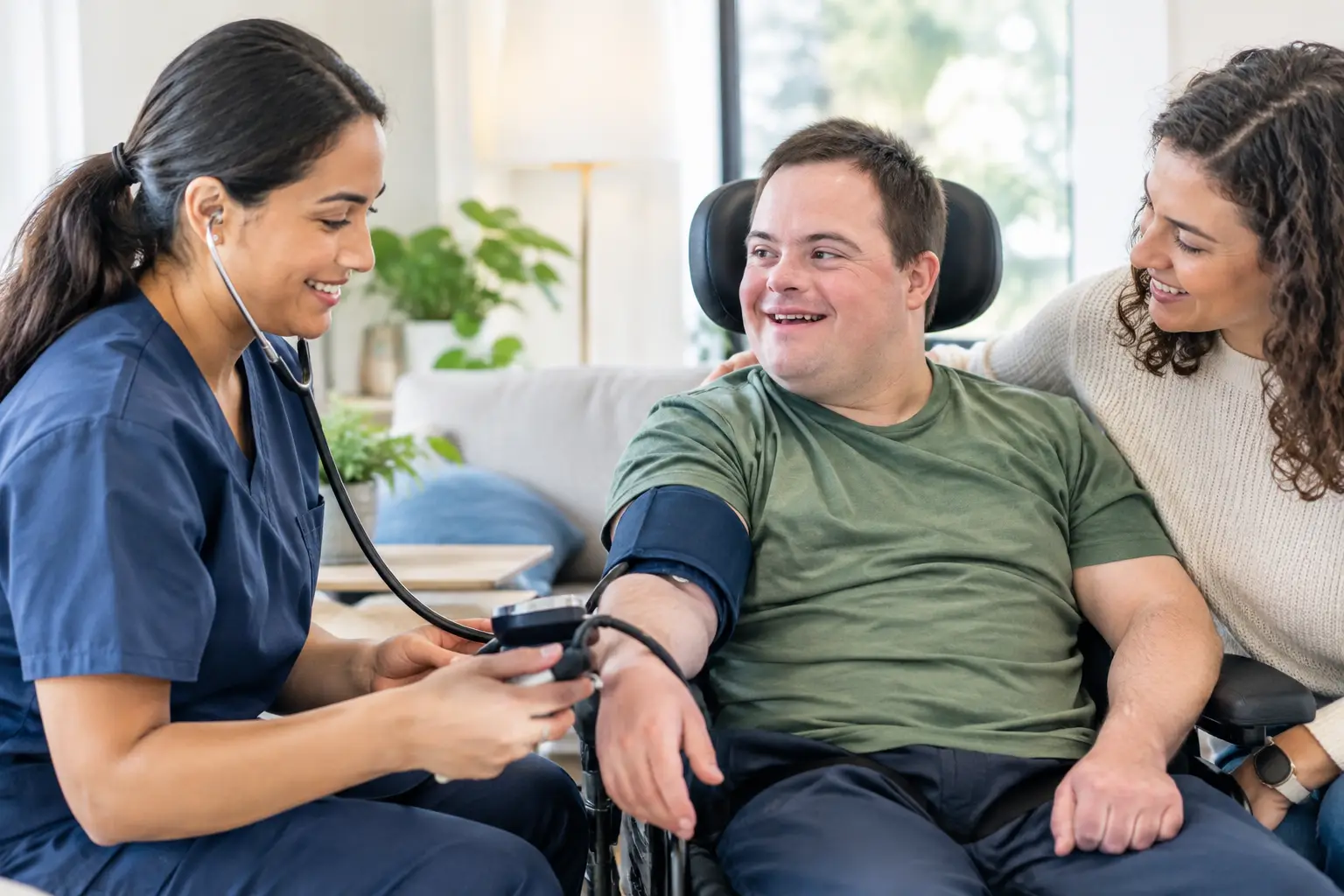
A small change in a wound, continence pattern, blood glucose reading or catheter output can become a serious issue when it is missed for several days. For people with complex needs, health monitoring is not simply recording observations. It is a structured clinical process that helps identify change early, guide daily care and ensure concerns are escalated before they become avoidable hospital presentations.
For NDIS participants and the people supporting them, the aim is practical: helping participants stay safe at home while protecting comfort, dignity and routine. Nurse-led monitoring provides the clinical judgement needed to understand what a change may mean, what should be documented and when another health professional needs to be involved.
What health monitoring means in complex NDIS care
In a complex care setting, health monitoring begins with a practical nursing assessment. A nurse considers the participant’s diagnosis, current treatments, daily routines, communication needs, known risks and baseline health presentation. This baseline matters because it gives support workers, family members and coordinators a reliable point of comparison when something changes.
Monitoring may involve skin integrity, wound appearance, pressure areas, bowel and bladder patterns, catheter function, stoma output, hydration, diabetes observations, medication effects or signs of infection. The right focus depends on the person. A participant with limited mobility may need close pressure care and skin monitoring, while someone with a suprapubic catheter may need clear observation of drainage, discomfort, leakage and infection indicators.
The purpose is not to turn support workers into nurses. It is to give them clear, role-appropriate instructions for recognising and reporting changes, while maintaining nursing oversight for clinical decisions. Good monitoring systems make daily care more consistent and give everyone a shared understanding of what requires action.
Why a nurse-led approach matters
Not every change is an emergency, but every meaningful change deserves considered assessment. Redness around a wound may be caused by friction, moisture, pressure or infection. A change in bowel routine may relate to diet, fluid intake, medication, mobility, illness or an established clinical condition. Looking at one observation in isolation can lead to either unnecessary alarm or a missed opportunity to intervene.
Nurse-led NDIS care brings clinical reasoning to these situations. The nurse can assess the pattern, review relevant risks, recommend appropriate actions within the participant’s care arrangements and identify when a GP, specialist, emergency service or other clinician should be contacted. This is particularly valuable where multiple workers provide care across a week and information can otherwise become fragmented.
It also supports safer documentation. Clear notes should state what was observed, when it was observed, what action was taken, who was notified and what follow-up is required. For Support Coordinators and Plan Managers, this creates a more reliable record of clinical need than vague statements that a participant is “declining” or requires “more support”.
Monitoring areas that commonly need clinical oversight
Skin, wounds and pressure injury risk
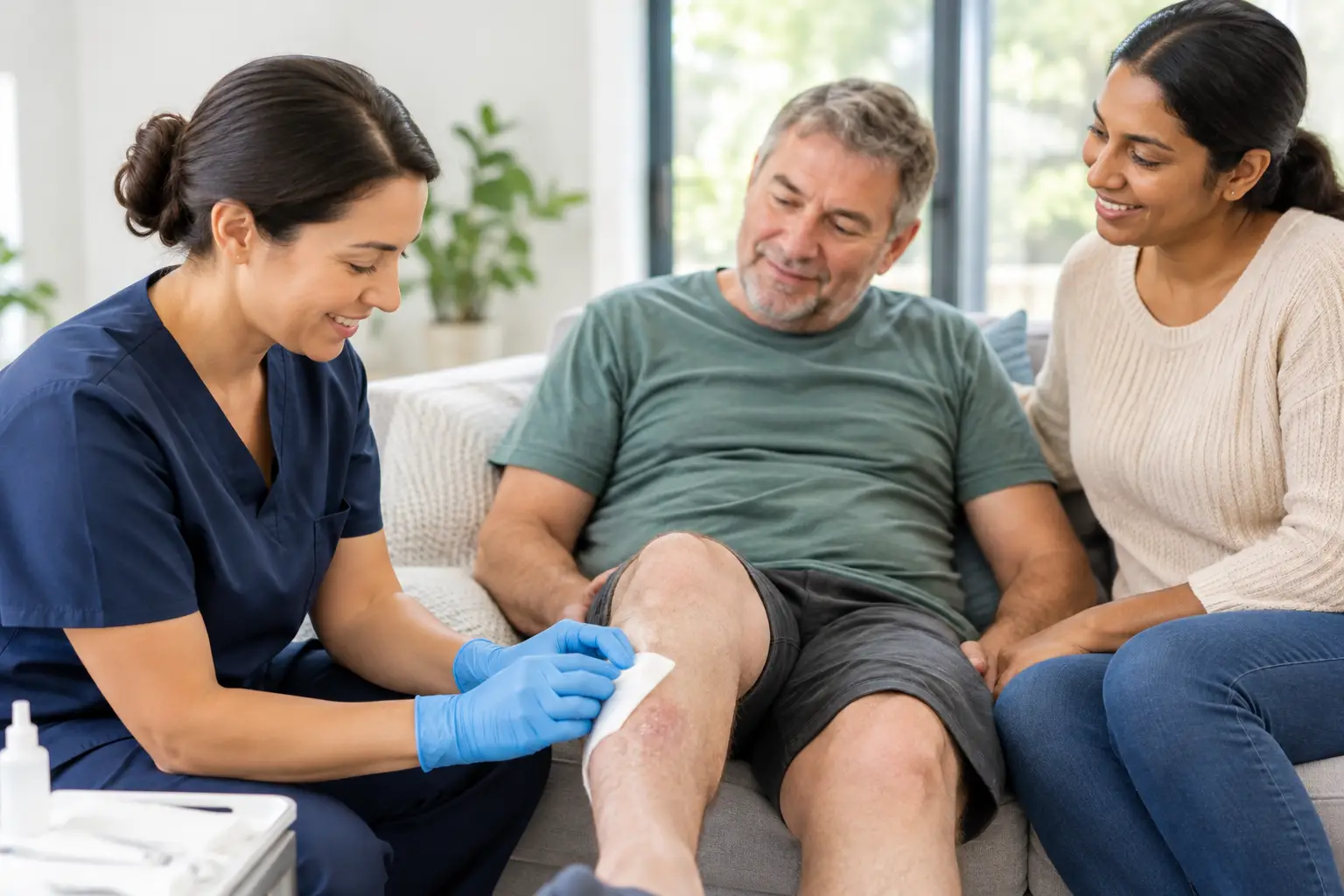
Skin breakdown can develop quickly for people with reduced mobility, continence concerns, poor circulation, altered sensation or nutritional risk. Monitoring should consider more than whether a wound is present. A nurse will assess location, size, tissue type, drainage, surrounding skin, pain, odour and signs that healing has stalled or infection may be developing.
Pressure injury prevention also relies on daily routines being realistic. A clinical care plan may set out positioning guidance, skin checks, continence-related skin protection and clear escalation points. Support worker training and clinical oversight help ensure these instructions are understood and applied consistently rather than left as a document in a folder.
Bowel, bladder, catheter and stoma care
Bowel and bladder changes can affect comfort, skin health, infection risk, sleep, participation in daily routines and a person’s confidence at home. Monitoring may include frequency, output, leakage, constipation, diarrhoea, pain, fluid intake and any pattern that differs from the participant’s usual presentation.
For catheter and stoma care, the clinical detail matters. Blockage, bypassing, unusual output, leakage, peristomal skin changes or new discomfort should not be dismissed as routine issues. Practical nursing assessments can identify what needs closer review and provide clear directions for support workers about observations, hygiene, documentation and escalation.
Diabetes and medication-related observations
Participants who require diabetes support or medication oversight often need a clear plan that matches their individual health needs and existing medical advice. This may include guidance on recording blood glucose readings, recognising concerning symptoms, supporting prescribed medication routines and reporting missed doses or adverse effects promptly.
A nurse can also identify gaps between a participant’s clinical needs and the way support is currently being delivered. For example, records may show inconsistent observations, unclear escalation responsibilities or workers who have not received the training required for high-intensity supports. Addressing these gaps early can reduce risk for the participant and for the service teams involved.
When a Support Coordinator should refer for nursing input
A referral is appropriate when care is becoming harder to manage, health concerns are recurring or existing instructions are too vague for workers to follow safely. It is also useful when there has been a hospital discharge, a new diagnosis, a worsening wound, repeated urinary concerns, changes in continence, a new catheter or stoma, unstable diabetes observations or increased pressure injury risk.
Nursing input is particularly valuable before concerns become a crisis. A participant does not need to be acutely unwell for a clinical review to be worthwhile. A trend of minor issues, such as recurrent skin redness, frequent catheter leakage or unexplained changes in bowel routine, may indicate that the current plan needs to be reviewed.
Support Coordinators may also need clinical evidence for an NDIS plan review or change of circumstances. In these situations, a nursing report should describe the participant’s assessed health needs, the risks of inadequate support, the practical care tasks required, training needs and recommended clinical oversight. It should be specific, objective and connected to the impact on safe daily care.
Building a monitoring plan that works in the home
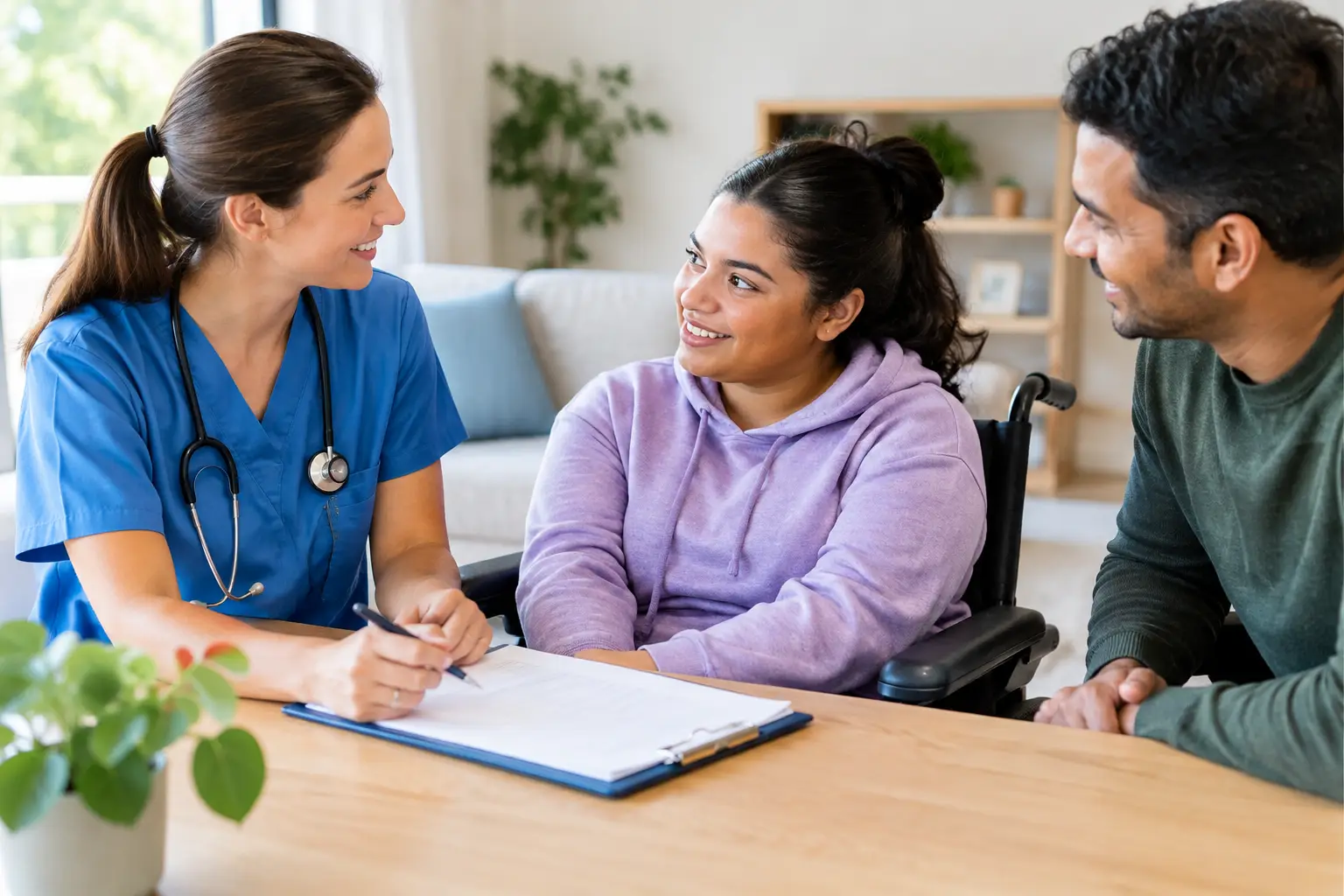
The best monitoring plan is detailed enough to guide action but simple enough to use during a busy shift. It should explain the participant’s usual presentation, the observations required, how often they should be recorded, what constitutes a change and who must be contacted.
It should also separate routine observations from urgent escalation. If a participant experiences severe pain, difficulty breathing, acute confusion, uncontrolled bleeding, chest pain, reduced consciousness or another immediate medical emergency, workers should follow emergency procedures without waiting for a routine clinical review. Other changes may require same-day nursing or GP contact, depending on the person’s plan and symptoms.
Consistency is essential. A detailed plan has limited value if different workers interpret it differently or are unaware of their responsibilities. Support worker training should cover the reason behind key care routines, what to observe, how to document accurately and when to escalate. Training is not a one-off exercise either. It should be refreshed when the participant’s needs, equipment, treatment or risk profile changes.
Families and guardians also need communication that is respectful and useful. They should not have to piece together information after an issue has escalated. Regular clinical updates and clear reports can reduce uncertainty while ensuring decisions remain centred on the participant’s preferences, dignity and established health care arrangements.
Documentation that supports safer decisions
Clinical records are often treated as an administrative task, but they are a safety tool. A well-maintained monitoring record allows a nurse to identify trends that may be invisible in isolated shift notes. It can show whether a wound is improving, whether a bowel routine is effective, whether skin redness is recurring or whether a participant’s support needs have increased over time.
For NDIS planning purposes, documentation also helps explain why certain supports are required. The strongest evidence links assessed clinical need to practical care tasks, foreseeable risks and the level of oversight or training needed to deliver care safely. It does not rely on assumptions or broad descriptions.
Compassion Wings provides clinical support in the home for Adelaide participants with complex health support needs, including practical nursing assessments, clinical care plans, support worker training and clear reports for Support Coordinators. The focus is safe, dignity-focused care that can be understood and implemented by the whole support team.
When health needs are monitored well, families gain reassurance, workers have clearer guidance and coordinators have better clinical information to act on. Most importantly, the participant has a care routine that responds to change early, respectfully and with the right level of nursing oversight.