
Does Diabetes Require Nursing Oversight at Home?
A missed insulin dose, an unrecognised low blood glucose level, or a support worker who is unsure how to respond can become serious quickly. So, does diabetes require nursing oversight? Not for every person with diabetes, but nursing input is often essential when diabetes management is complex, delegated to others, affected by disability, or creating safety concerns at home.
For NDIS participants, the question is rarely just whether diabetes is diagnosed. The practical question is whether the person can manage their routine safely and consistently, what support workers are being asked to do, and whether there is clear clinical direction when something changes. Nurse-led NDIS care can turn a vague or risky daily routine into a documented, dignity-focused plan that families, workers and Support Coordinators can rely on.
Does diabetes require nursing oversight in NDIS care?
Diabetes may be managed independently when a participant understands their condition, can check blood glucose levels, administer medicines as prescribed, recognise symptoms, and seek help appropriately. In these circumstances, routine nursing oversight may not be required.
However, nursing assessment should be considered where a participant has cognitive impairment, an acquired brain injury, intellectual disability, reduced vision, poor dexterity, mental health factors affecting adherence, inconsistent eating patterns, recurrent hospital presentations, or a history of hypoglycaemia or hyperglycaemia. The same applies when a participant relies on family members or paid support workers to carry out key parts of their diabetes routine.
This is particularly relevant where insulin is involved. Insulin administration, blood glucose monitoring, dose-related instructions, sick-day management and escalation decisions need clear boundaries. Support workers should never be left to interpret changing clinical needs without a current plan, training and access to appropriate escalation pathways.
Nursing oversight does not replace the participant’s GP, endocrinologist or diabetes educator. It brings the treating team’s instructions into the home environment, assesses whether those instructions can be followed safely in day-to-day life, and helps identify gaps before they lead to harm.
When clinical nursing input is needed
The need for oversight depends on risk, complexity and the capability of the people providing daily support. A practical nursing assessment looks beyond a medication chart. It considers what actually happens at breakfast, during community appointments, when meals are delayed, overnight, or when the usual worker is unavailable.
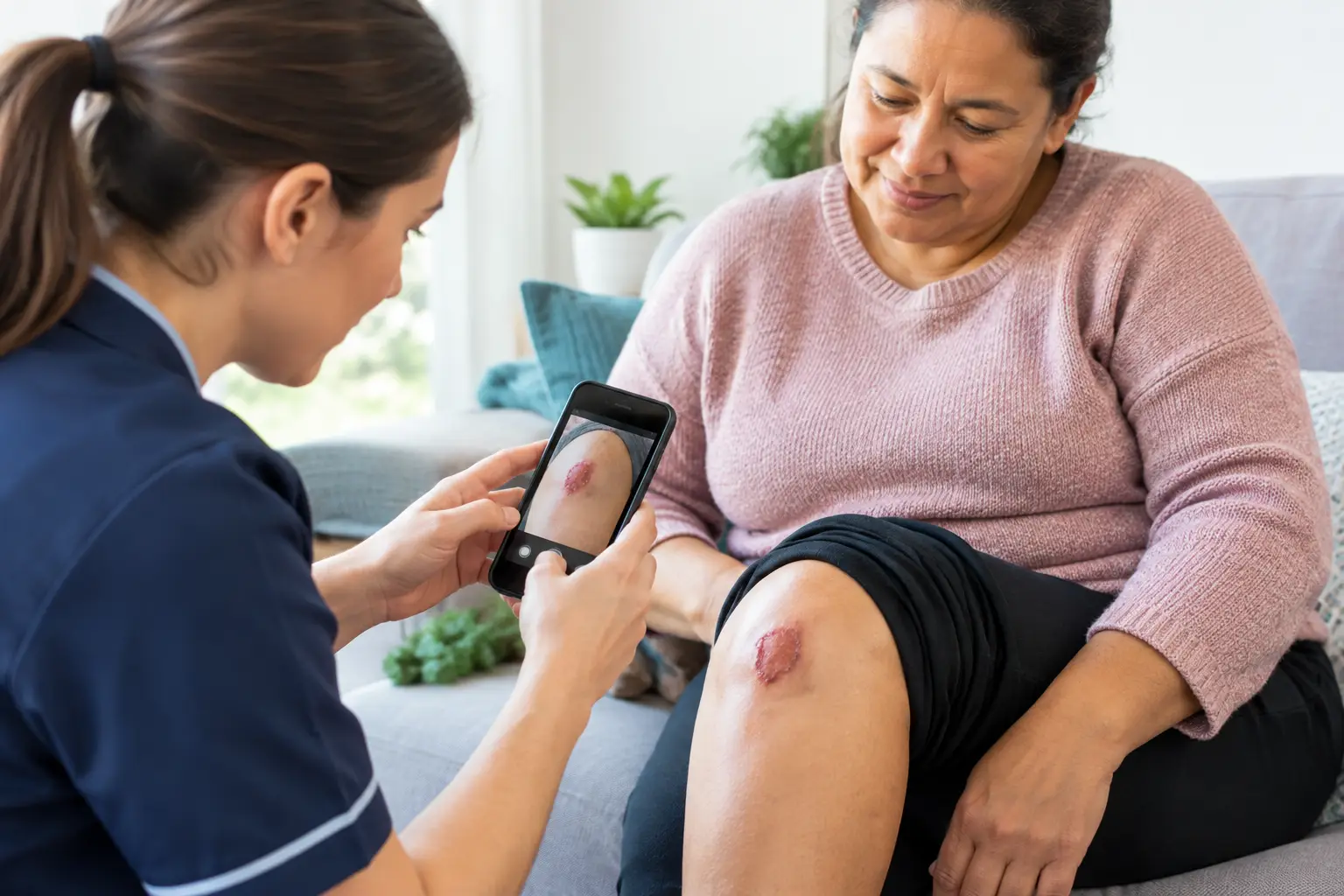
Nursing input is commonly appropriate when there are repeated low or high blood glucose readings, unexplained changes in readings, medication errors, missed doses, poor food or fluid intake, weight changes, infections, wounds or concerns about skin integrity. Diabetes can also complicate wound healing and increase infection risk, which makes coordinated monitoring especially valuable for participants who already require wound care or pressure care.
A referral is also sensible when workers are documenting readings but no one is reviewing patterns, when instructions from different clinicians are unclear, or when a family has become the informal safety net for an uncertain routine. These are not signs that anyone has failed. They are signs that the care arrangement needs clinical structure.
For Support Coordinators, a nursing assessment can clarify whether support needs are stable, whether high-intensity support worker training is needed, and what clinical evidence is required for a plan review or change of circumstances. Clear reports for Support Coordinators help connect daily risks with practical recommendations rather than relying on broad descriptions of need.
Insulin and delegated care
Insulin creates a higher level of clinical risk because timing, prescribed doses, food intake and blood glucose readings can all affect safety. The required level of nursing involvement varies according to the participant’s prescribed regime, their ability to self-manage and the role of other people in the routine.
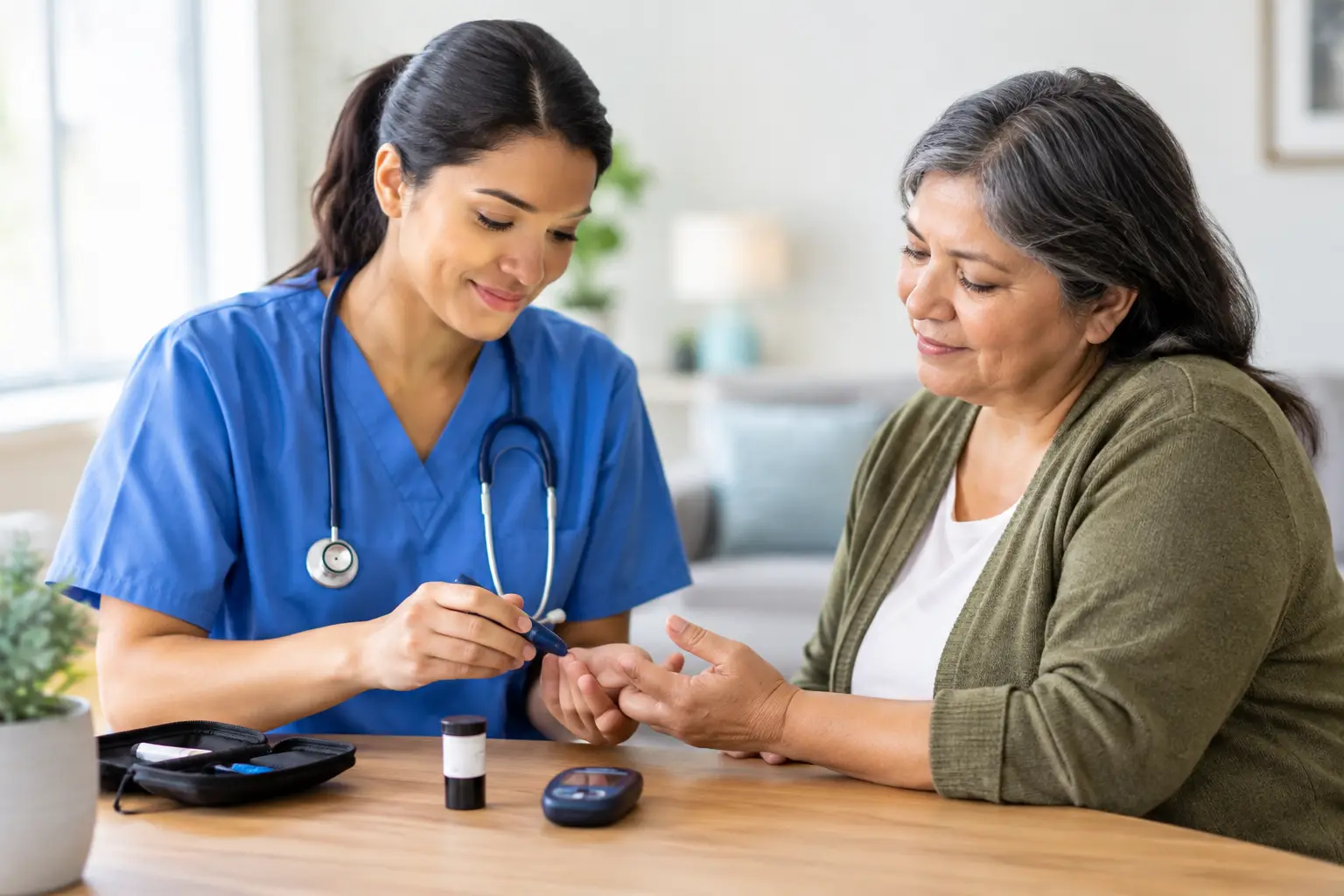
A nurse can assess the task, review current instructions from the treating team, identify what may be delegated within an organisation’s policies and staff competencies, and develop a clinical care plan. This should specify the required steps, documentation, signs to watch for, who to contact, and when urgent medical assistance is required.
Training should be practical rather than a one-off tick-box exercise. Workers may need to demonstrate the procedure, understand infection prevention, know how to document accurately, and recognise when they must escalate rather than continue with a routine task. Ongoing competency review matters when staff change, a participant’s health changes, or an incident reveals uncertainty.
Hypoglycaemia, hyperglycaemia and escalation
A safe plan must make it easy for workers and families to recognise when diabetes is no longer following the usual pattern. Symptoms of hypoglycaemia can include sweating, shakiness, confusion, irritability, drowsiness or reduced responsiveness. Hyperglycaemia may involve thirst, frequent urination, fatigue, nausea or worsening confusion, although symptoms vary between people.
The plan should be based on the participant’s current medical advice, not generic internet guidance. It needs to say what actions are authorised, when readings should be rechecked, which clinician or service to contact, and when an emergency response is needed. If a participant is unconscious, having a seizure, severely unwell, or cannot safely swallow, urgent emergency assistance is required.
What good nursing oversight looks like
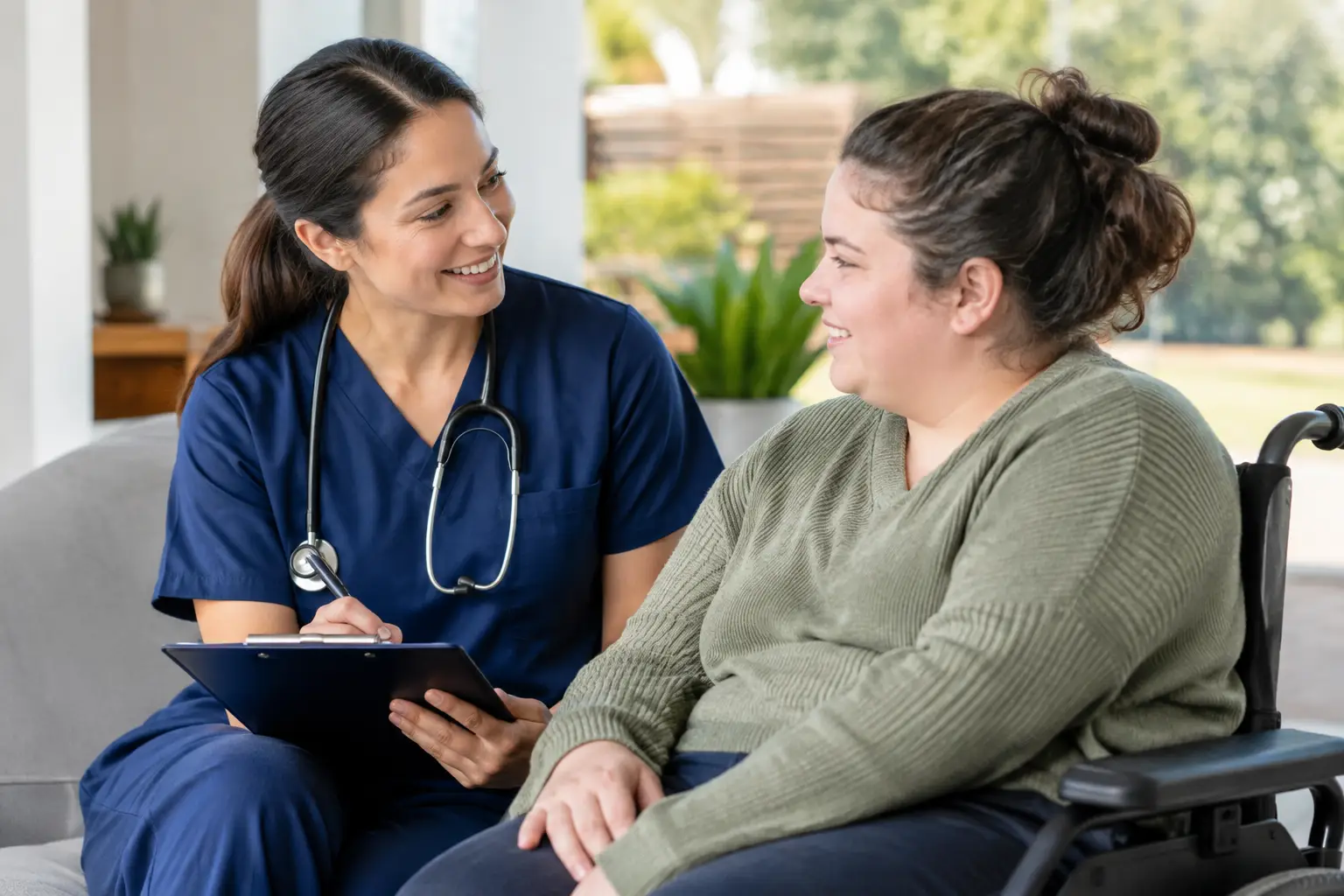
Good oversight is not a nurse simply checking in occasionally. It is a structured process that makes daily care safer and easier to follow. It starts with practical nursing assessments of the participant’s health history, prescribed treatment, ability to self-manage, routines, environment, communication needs and current support arrangements.
From there, the nurse can develop a tailored clinical care plan. This may cover blood glucose monitoring, medicines and insulin according to treating instructions, meal-related considerations, supply storage, sharps safety, infection prevention, documentation, escalation pathways and review triggers. The plan should use clear language that workers can apply in real situations while preserving the participant’s preferences and dignity.
Support worker training and clinical oversight are then matched to the actual tasks being performed. A participant who independently manages their diabetes but needs reminders may need a very different arrangement from someone who cannot reliably recognise symptoms or administer insulin safely. Treating all diabetes support as identical either creates unnecessary restrictions or leaves genuine risks unmanaged.
Regular review is equally important. A hospital admission, medication change, declining vision, new wound, change in eating habits or increased episodes of low blood glucose may mean the plan is no longer suitable. Nurse-led monitoring provides a pathway to identify these changes early and communicate concerns to the relevant treating professionals.
The value of documentation for NDIS planning
When diabetes affects the amount, type or skill level of support required, clinical evidence needs to be specific. General statements that a participant “needs help with diabetes” rarely explain the safety issues, frequency of tasks, consequences of missed care, or why trained staff and nursing oversight are necessary.
A nursing report can document the participant’s functional and clinical risks, current support gaps, required care routines, training needs and recommendations for review. This gives Support Coordinators and plan managers clearer information to work from, while helping families understand what safe care should look like.
Documentation also supports continuity. Participants should not have to explain complex health routines from scratch every time a new worker joins the roster. Clear clinical plans, current observations and incident follow-up make the care arrangement more reliable and audit-ready.
When to refer to a community nurse
Consider a referral when diabetes care is being carried out by others, when insulin or complex medication routines are involved, when there have been incidents or near misses, or when the participant’s health and support needs no longer match the existing plan. Referrals are also useful before discharge from hospital, when a new provider is taking over care, or before an NDIS plan review where clinical evidence is needed.
Useful information includes current diabetes management plans, medication charts, recent discharge summaries, treating clinician instructions, incident records, blood glucose records where available, and details of the tasks support workers are currently completing. Even if this information is incomplete, a nurse can help identify what is needed and where clinical clarification should be sought.
Compassion Wings provides clinical support in the home across Adelaide, including practical nursing assessments, diabetes care planning, support worker education and nursing reports for complex health support. The focus is safe, dignity-focused care that helps participants stay safe at home while giving families and referral teams confidence that risks are being assessed and managed properly.
The right level of oversight is not about making a participant’s routine more medical than it needs to be. It is about ensuring that when diabetes becomes complex, shared or unpredictable, the people involved have the clinical direction to act safely and with confidence.