Improving Wound Healing Outcomes at Home
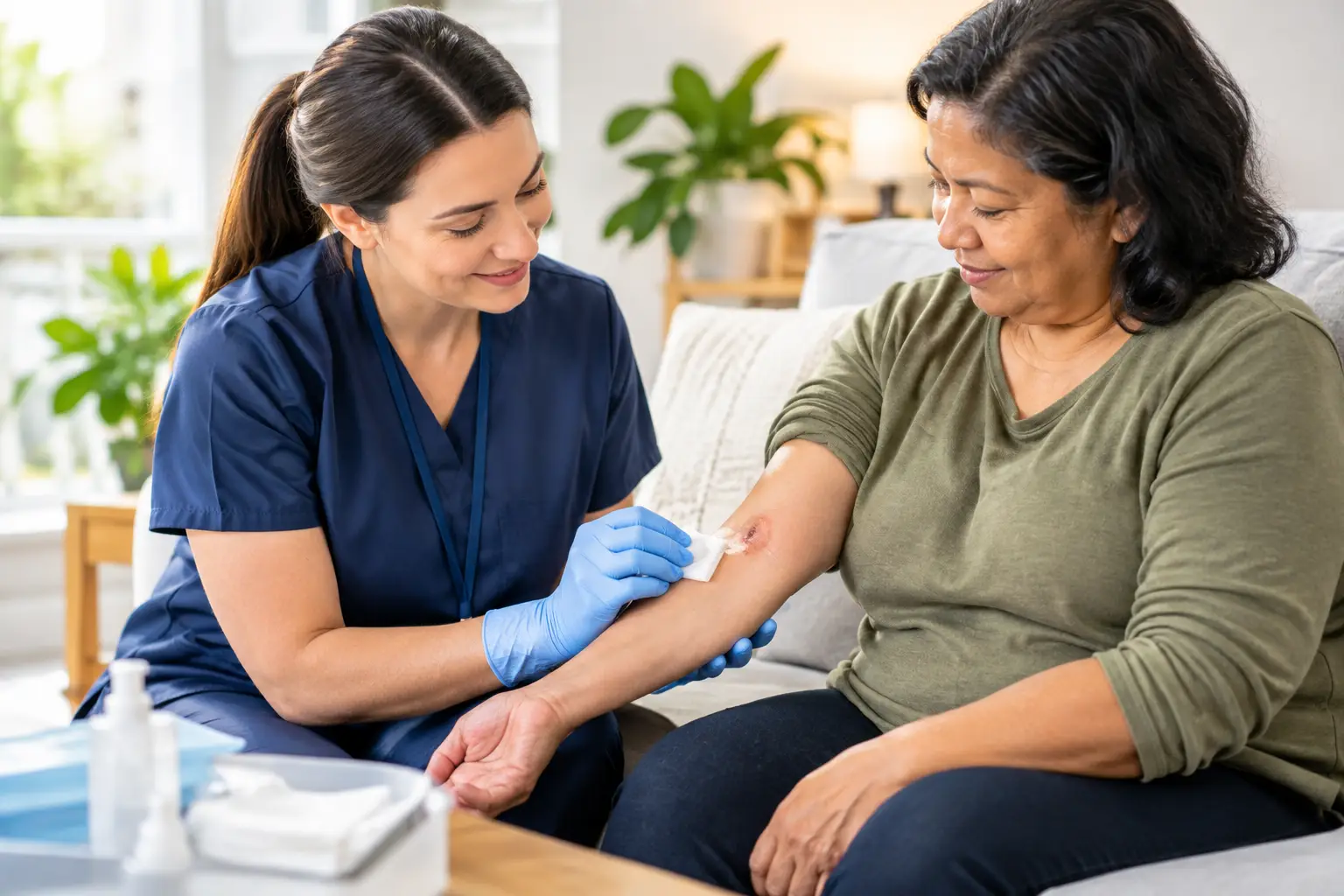
Better wound healing outcomes rely on timely assessment, safe care plans, trained support workers and early escalation for NDIS participants at home daily.


Better wound healing outcomes rely on timely assessment, safe care plans, trained support workers and early escalation for NDIS participants at home daily.
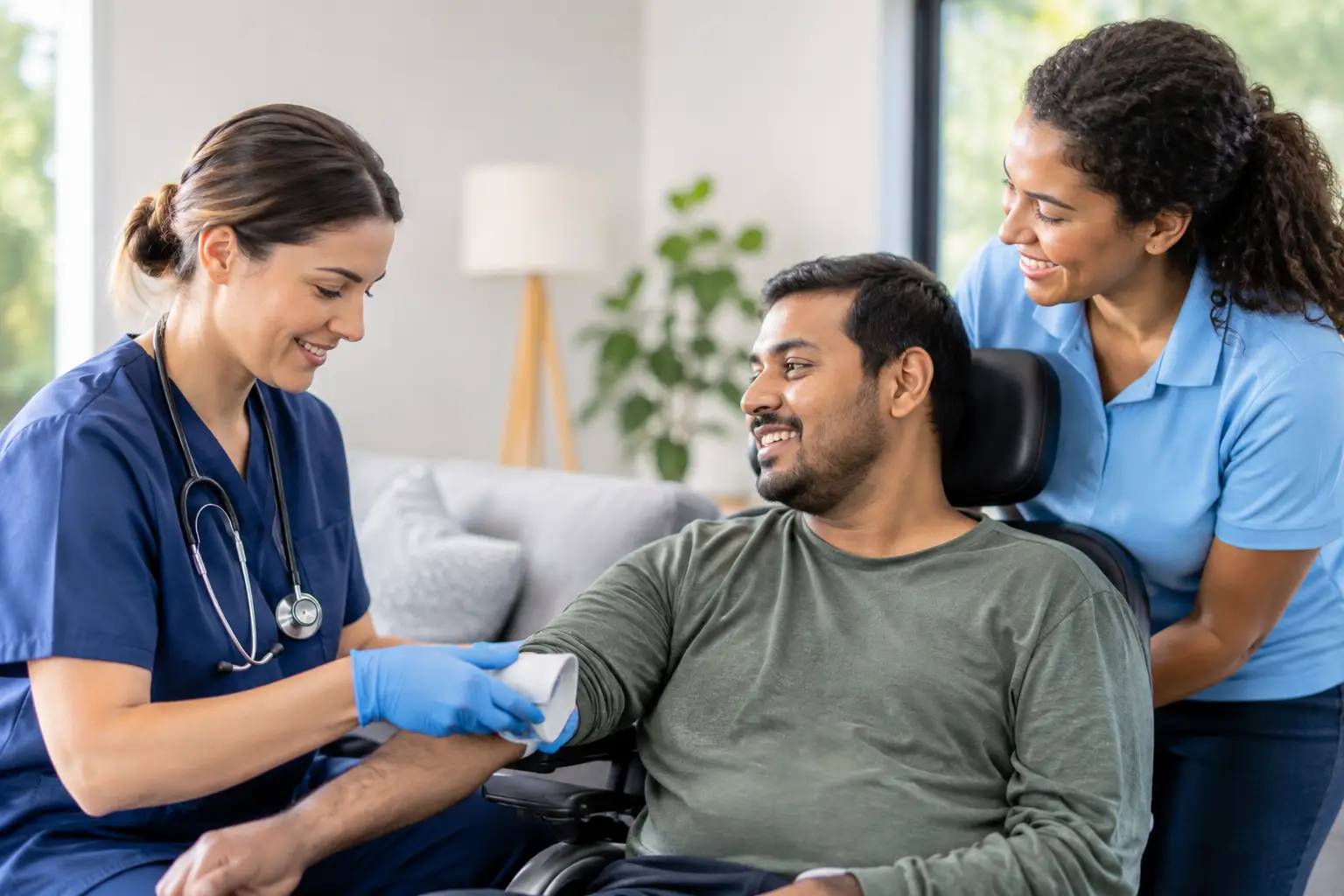
Support worker delegation nursing tasks requires assessment, training and oversight. Nurse-led NDIS care protects safety, dignity and care safely at home.
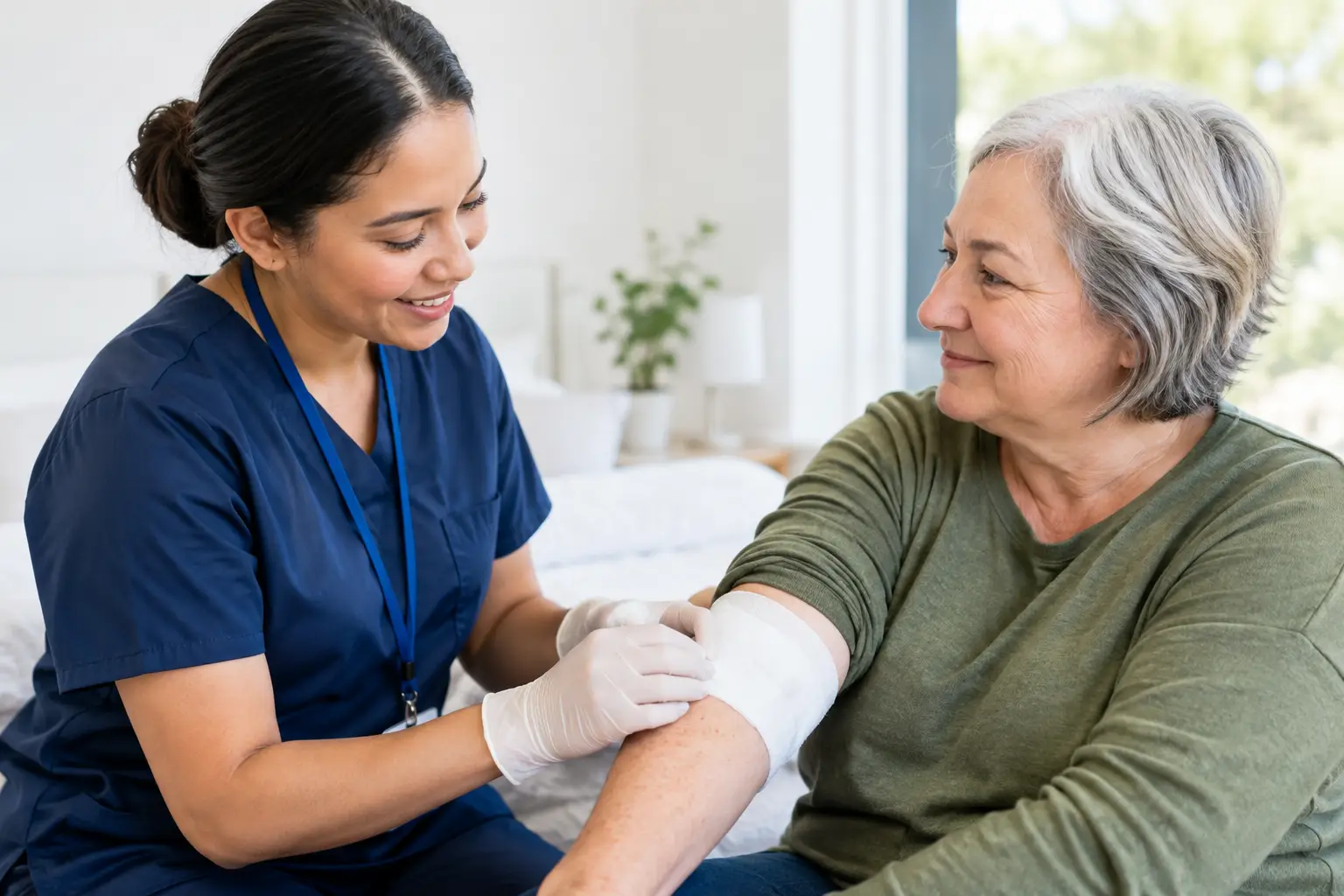
Are pressure injuries clinically reportable? Learn when to document, escalate and notify under NDIS incident rules, with nurse-led care guidance today.

Our Adelaide medication guide explains when nurse-led oversight, care plans and worker training can reduce risk for NDIS participants at home safely.
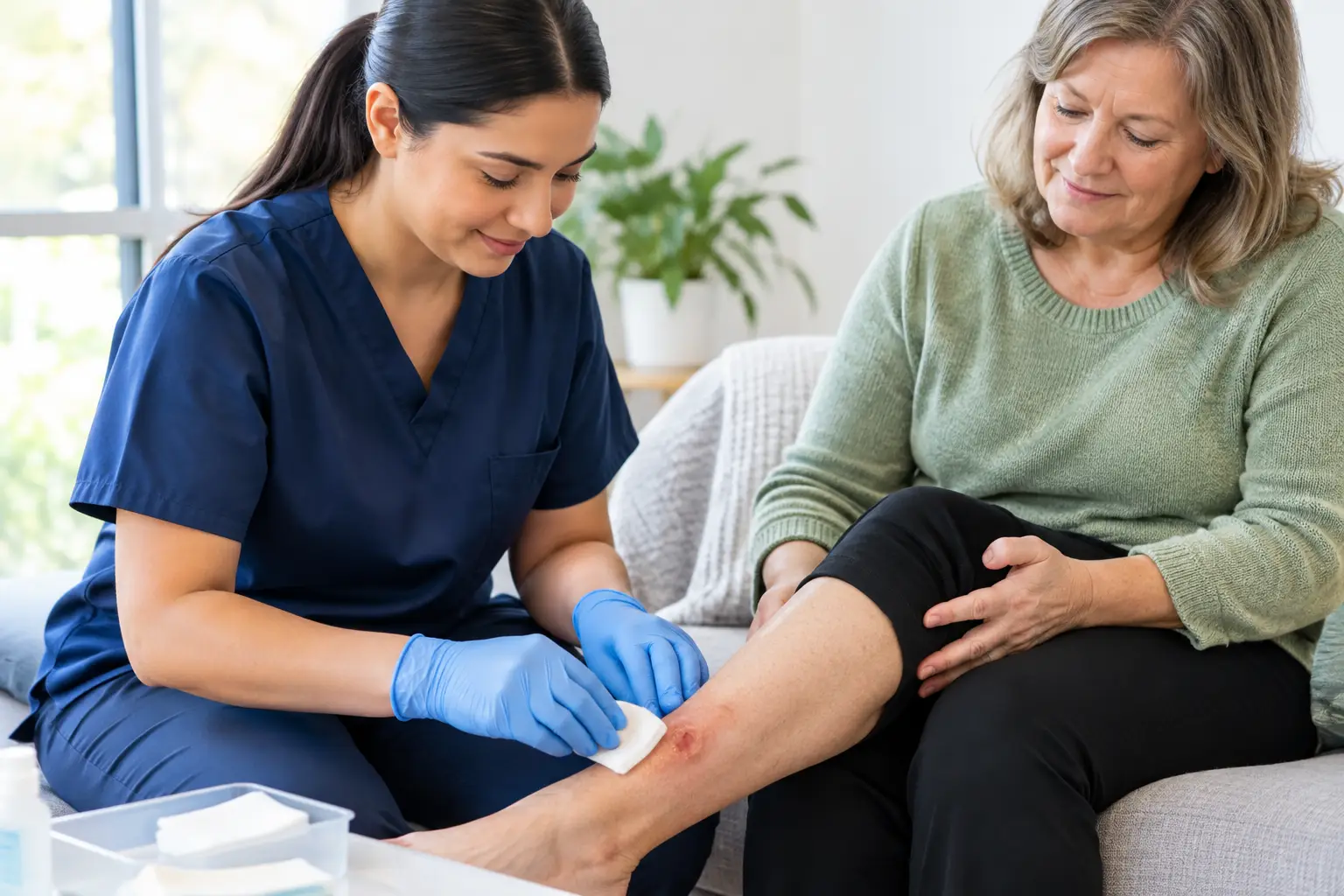
Learn the top signs of wound deterioration, when to escalate concerns and how nurse-led NDIS wound care supports safer healing at home across Adelaide.

Use this continence documentation checklist for plan managers to organise clinical evidence, reduce delays and support safe, dignity-focused NDIS care.
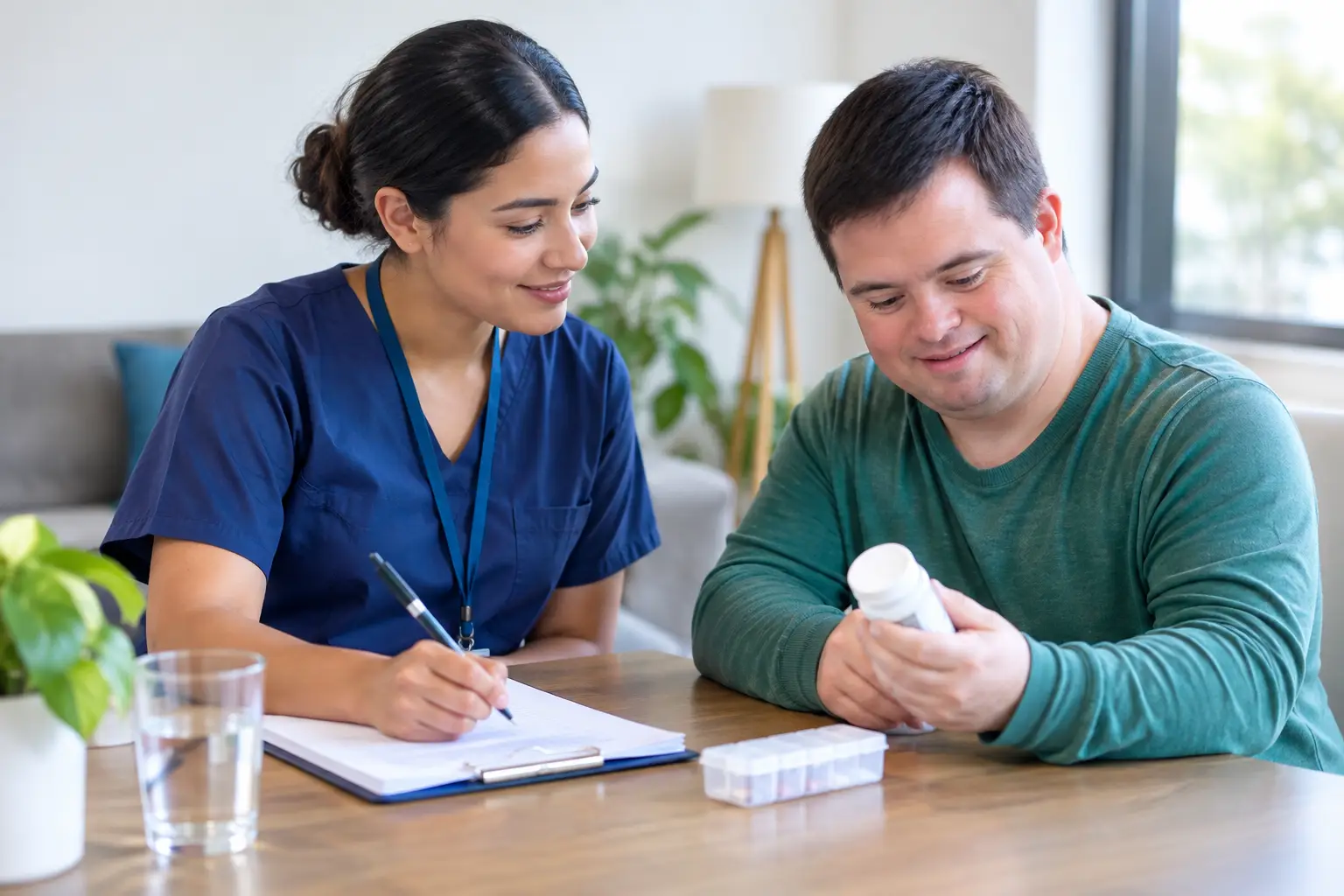
Learn how to document medication incidents with clear, timely clinical records that protect NDIS participants, guide escalation and support safer care.
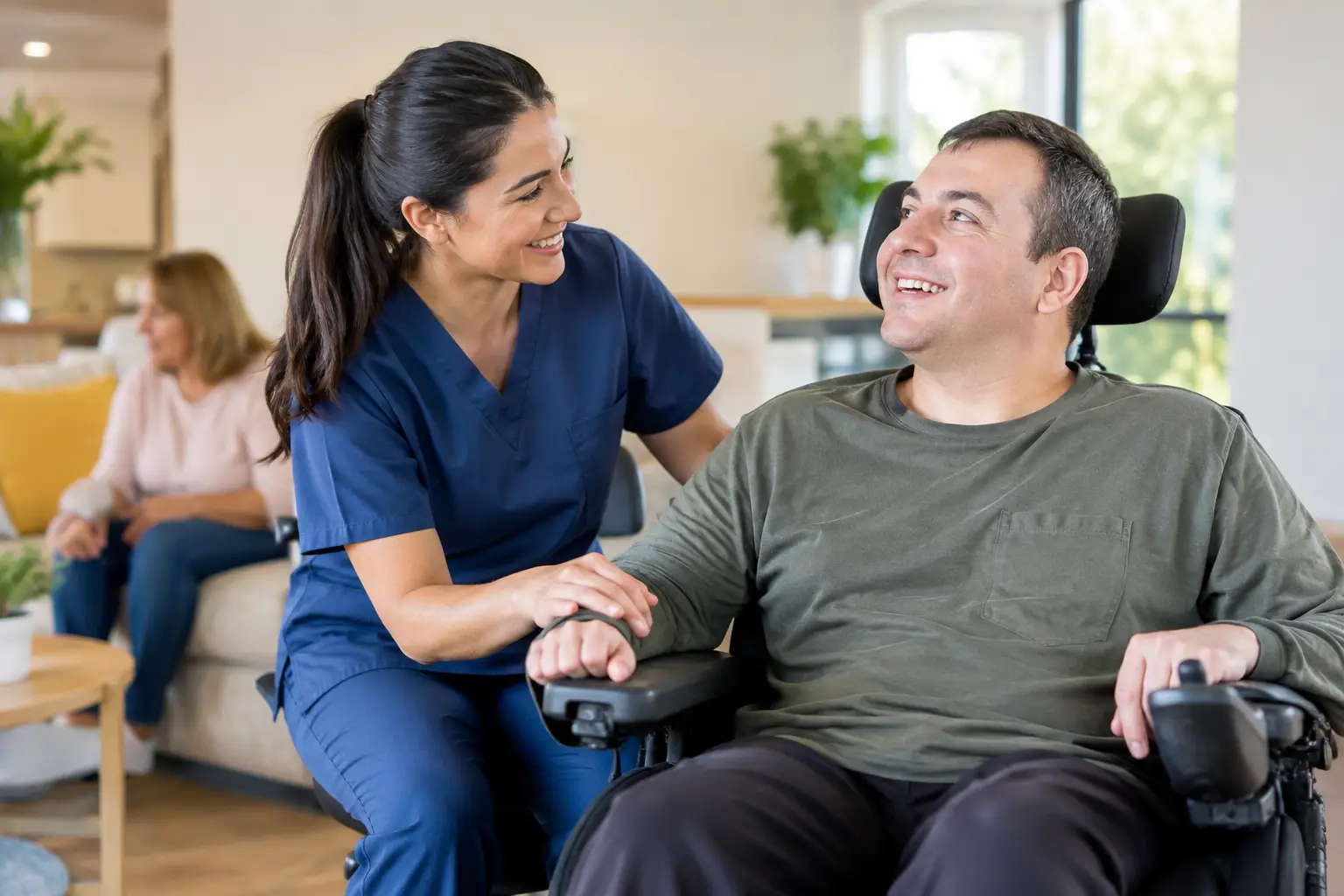
Learn how support worker competency, nurse-led training and clinical oversight protect dignity, reduce risk and support complex NDIS care at home safely.

This guide to bowel management support explains nursing assessments, safe routines, worker training and when a clinical review is needed at home safely.
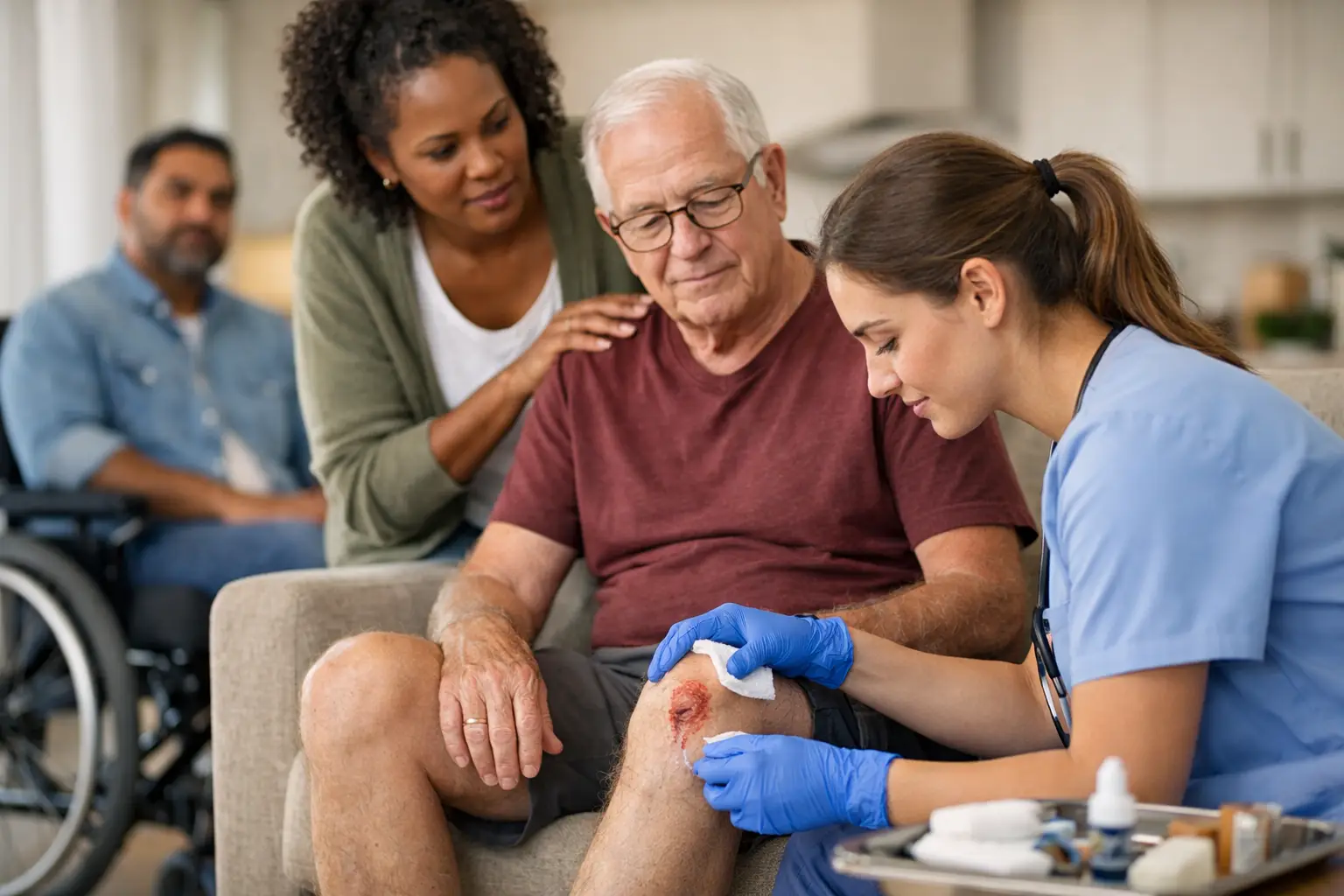
A nurse-led Adelaide wound assessment identifies skin risks, guides practical care plans and supports safe, dignity-focused care at home for NDIS clients.