
Clinical Oversight for SIL Providers
A participant has a new wound, staff are unsure whether a catheter issue is urgent, and the daily notes do not clearly show what changed or what to do next. That is usually the point when clinical oversight for SIL providers stops being a nice extra and becomes essential. In homes supporting people with complex health needs, good intentions are not enough. Safe care depends on clear nursing assessment, practical direction for staff, and documentation that stands up when risks escalate.
SIL teams often do an enormous amount well. They know the participant, they notice subtle changes, and they keep routines going across shifts. But where continence issues, pressure risks, diabetes support, stoma care, medication concerns, skin breakdown, bowel routines or infection risks are part of daily life, there needs to be a clinical framework around that support. Without it, staff are left making judgement calls they were never trained to make.
What clinical oversight for SIL providers actually means
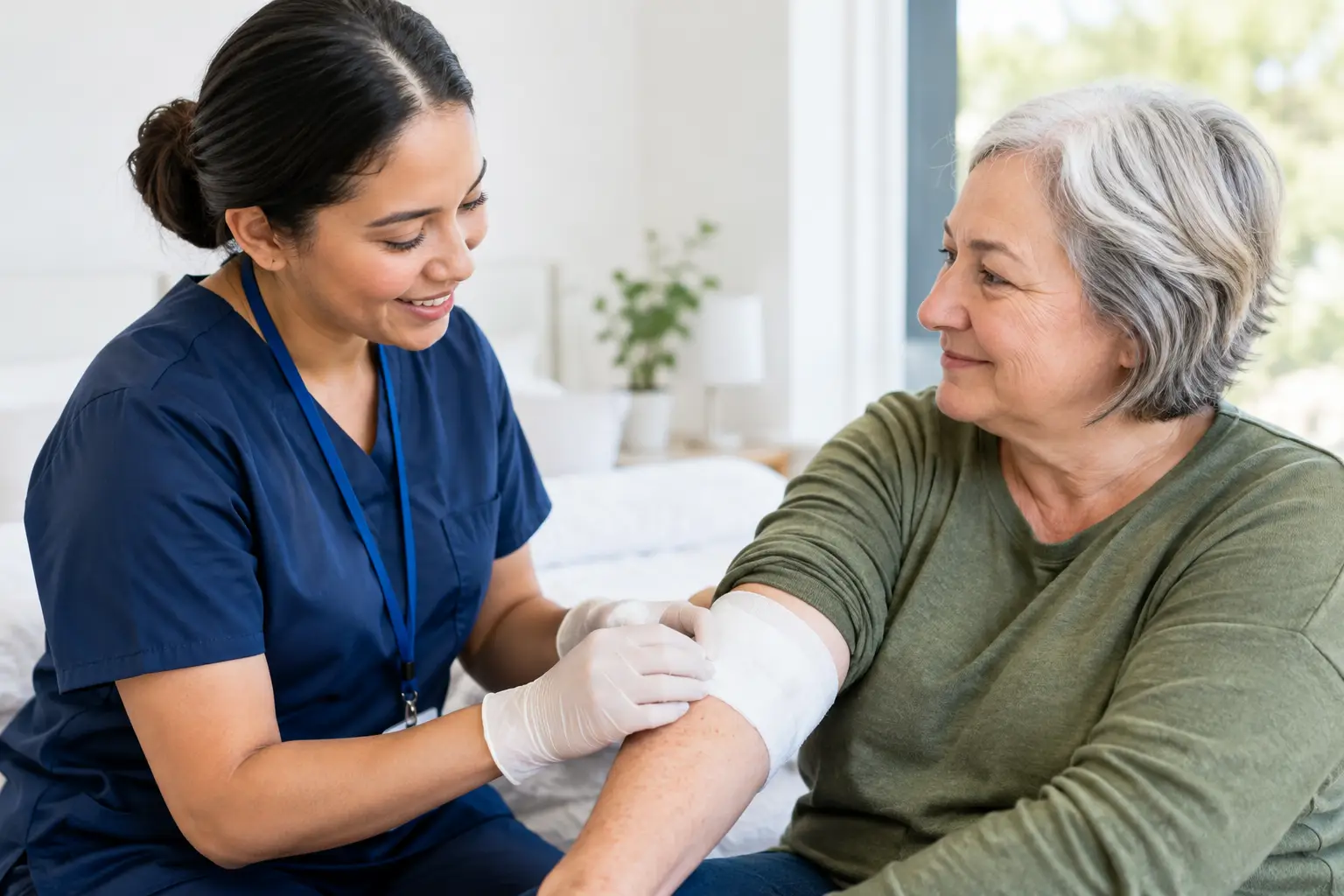
Clinical oversight is not about taking over the role of support workers. It is about making sure the care they provide is guided by current nursing assessment, clear care instructions and sensible escalation pathways. For SIL providers, that usually means a nurse reviews the participant’s health needs, identifies clinical risks, develops practical care plans, trains staff where high-intensity supports are involved, and updates recommendations when the participant’s condition changes.
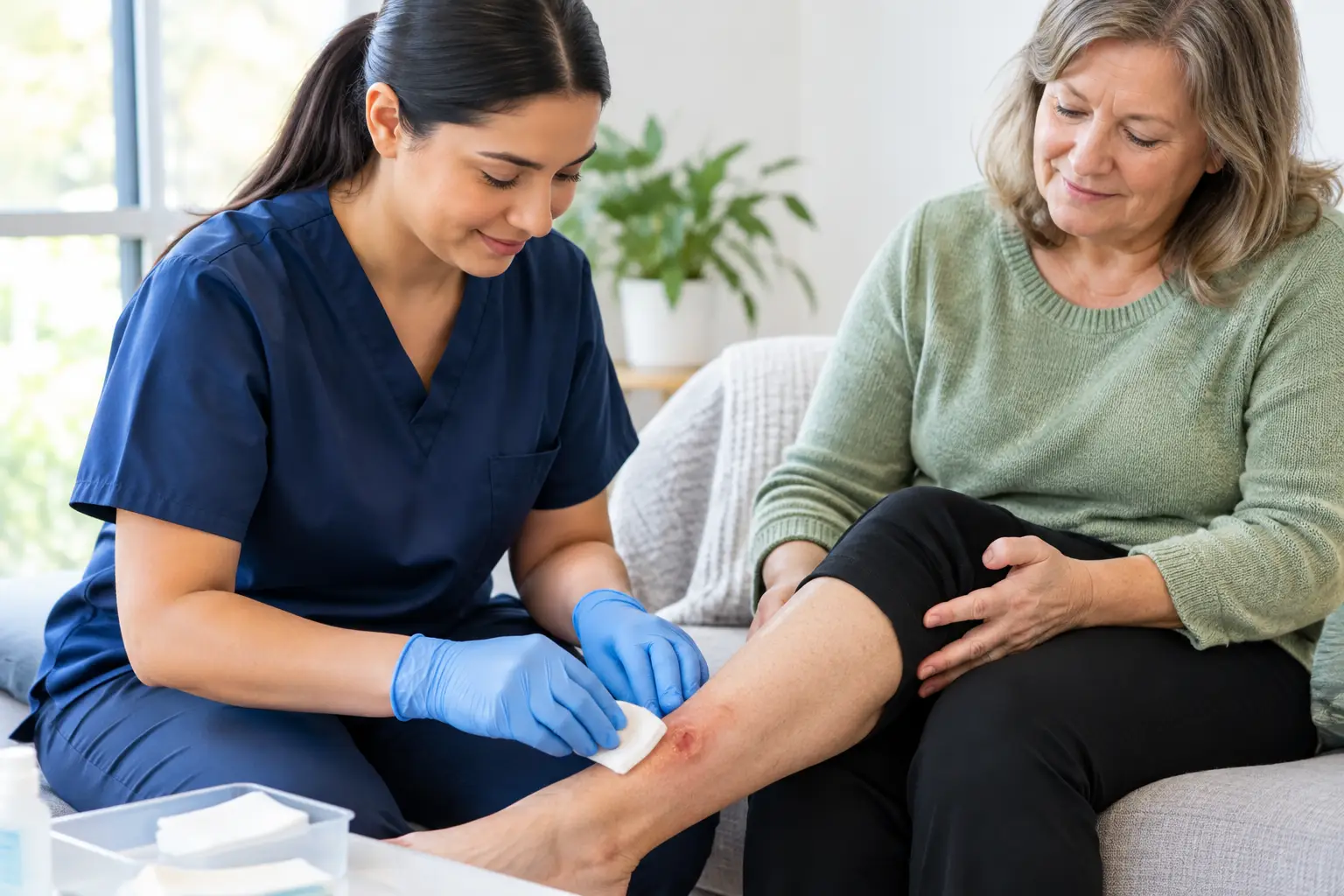
That work matters because many of the risks in supported living are gradual at first. A small red area can become a pressure injury. A bowel pattern can shift into constipation, overflow or discomfort. Moisture-associated skin damage can be mistaken for something minor until there is pain, infection risk or avoidable hospital review. When there is nurse-led NDIS care in place, those patterns are more likely to be identified early and managed properly.
For Support Coordinators and families, clinical oversight also provides something equally important – confidence. Confidence that concerns are being assessed, that reports are clear, and that support workers are not being asked to operate outside safe limits.
When SIL providers should bring in nursing oversight
Some participants need ongoing clinical involvement from the outset. Others can be managed safely for a period, then a change in presentation shows that the care model needs to shift. It depends on the person, the complexity of their health needs, and the capability of the team around them.
A nurse should usually be involved when there are recurring continence issues, catheter-related concerns, bowel and bladder care needs, wounds, pressure care risks, stoma support, diabetes management tasks, skin integrity concerns, or medication-related issues that affect daily support routines. Nursing input is also valuable when staff report inconsistent practices between shifts, when there are repeated incidents, or when documentation does not clearly explain what staff should do.
Another common referral point is after discharge from hospital. SIL teams may receive discharge paperwork, but hospital instructions are not always written for support workers in a home environment. Translating medical recommendations into practical, safe daily routines is where clinical support in the home becomes particularly useful.
Why support worker training and clinical oversight belong together
Training on its own is rarely enough. Staff can attend a session, sign a record and still feel uncertain three weeks later when the participant’s presentation changes. Effective support worker training and clinical oversight work together. Training builds skill and consistency, while ongoing nursing review checks that the plan still fits the participant’s actual needs.
This matters most in high-intensity support settings. A participant may require a bowel routine, catheter monitoring, pressure area care, diabetes-related support or skin checks. Even when support workers are competent, they still need clear boundaries around what to observe, what to document, what to do, and when to escalate. That clarity protects the participant, the staff and the provider.
There is also a dignity issue here. When staff are unsure, care can become hesitant, inconsistent or task-focused. A well-structured nursing plan supports safe, dignity-focused care because it reduces guesswork. The participant receives care that is more respectful, more consistent and better aligned with their preferences and clinical needs.
What good nursing oversight looks like in practice
The best clinical oversight is practical. It should not read like a hospital chart dropped into a supported living environment. SIL teams need care plans that are specific enough to guide action but simple enough to use across busy shifts.
That generally starts with practical nursing assessments. A nurse reviews the participant’s diagnosis, current presentation, risks, routines, equipment being used, relevant medical history and any recent incidents or hospital attendances. Just as importantly, the nurse considers the home environment, support worker capability and what can realistically be implemented day to day.
From there, the nursing input should turn into usable guidance. That may include continence strategies, wound dressing frequency, pressure care schedules, skin monitoring instructions, bowel or catheter escalation signs, diabetes observations, or infection control precautions. The wording matters. If staff cannot quickly understand what they need to do, the plan will not improve safety.
Documentation is a major part of this. Clear reports for Support Coordinators can help explain why nursing supports are required, what risks are present, what training is needed and what evidence supports a review or change of circumstances. Good reports do not overstate things. They connect observed clinical needs with practical consequences for daily care and participant safety.
The risks of not having clinical oversight for SIL providers
When nursing review is absent, small gaps tend to widen. Staff may each develop their own approach to the same issue. A participant’s skin may be checked by one worker and overlooked by another. Notes may describe concerns differently across shifts, making it hard to spot a trend. Families may be told a problem is being monitored, but no one has formally assessed whether the current approach is clinically appropriate.
That creates pressure for everyone involved. Support Coordinators are left trying to make funding or service decisions without strong evidence. Families worry that they need to chase updates constantly. SIL providers carry risk when staff are supporting complex health tasks without sufficient clinical backing.
There is also the risk of avoidable escalation. Not every issue can be managed in the home, and good oversight does not mean avoiding hospital at all costs. It means identifying what can be safely managed at home and what needs timely medical review. Helping participants stay safe at home sometimes includes recognising when home-based support is no longer enough.
What referrers should gather before requesting nursing input
Referrals move faster when the clinical picture is clear. It helps to provide recent discharge summaries if relevant, current care plans, medication information, incident notes, wound or skin history, continence concerns, details of any stoma or catheter supports, and a brief outline of what staff are currently doing.
It is also useful to explain what is not working. Are there repeated after-hours concerns? Is staff confidence low? Has the participant’s health changed? Is there a plan review coming up that needs nursing evidence? That context helps the nurse prioritise the right assessment and provide reporting that is actually useful.
In Adelaide, this is particularly relevant for SIL teams managing participants across multiple suburbs where staff handover, travel and workforce pressures can affect consistency. A practical clinical plan can make a significant difference when teams are coordinating care across changing rosters.
Nursing evidence and NDIS decision-making
Support Coordinators often know a participant needs more than general support, but they still need clear evidence. Nursing assessments can help show why a participant requires ongoing monitoring, staff training, revised care routines or additional clinical input. That is not about making broad funding promises. It is about documenting observable health needs, associated risks and the clinical rationale for support.
Well-prepared nursing reports are particularly helpful when there has been a change of circumstances, increasing skin breakdown, recurring continence-related complications, a new wound, greater infection risk, or increased reliance on trained staff for high-intensity supports. When the evidence is specific and relevant to daily function and safety, everyone is in a better position to plan properly.
For SIL providers, that kind of documentation also supports internal consistency. It gives team leaders and support workers one clear reference point instead of multiple verbal instructions or outdated notes.
A better model for complex health support in SIL
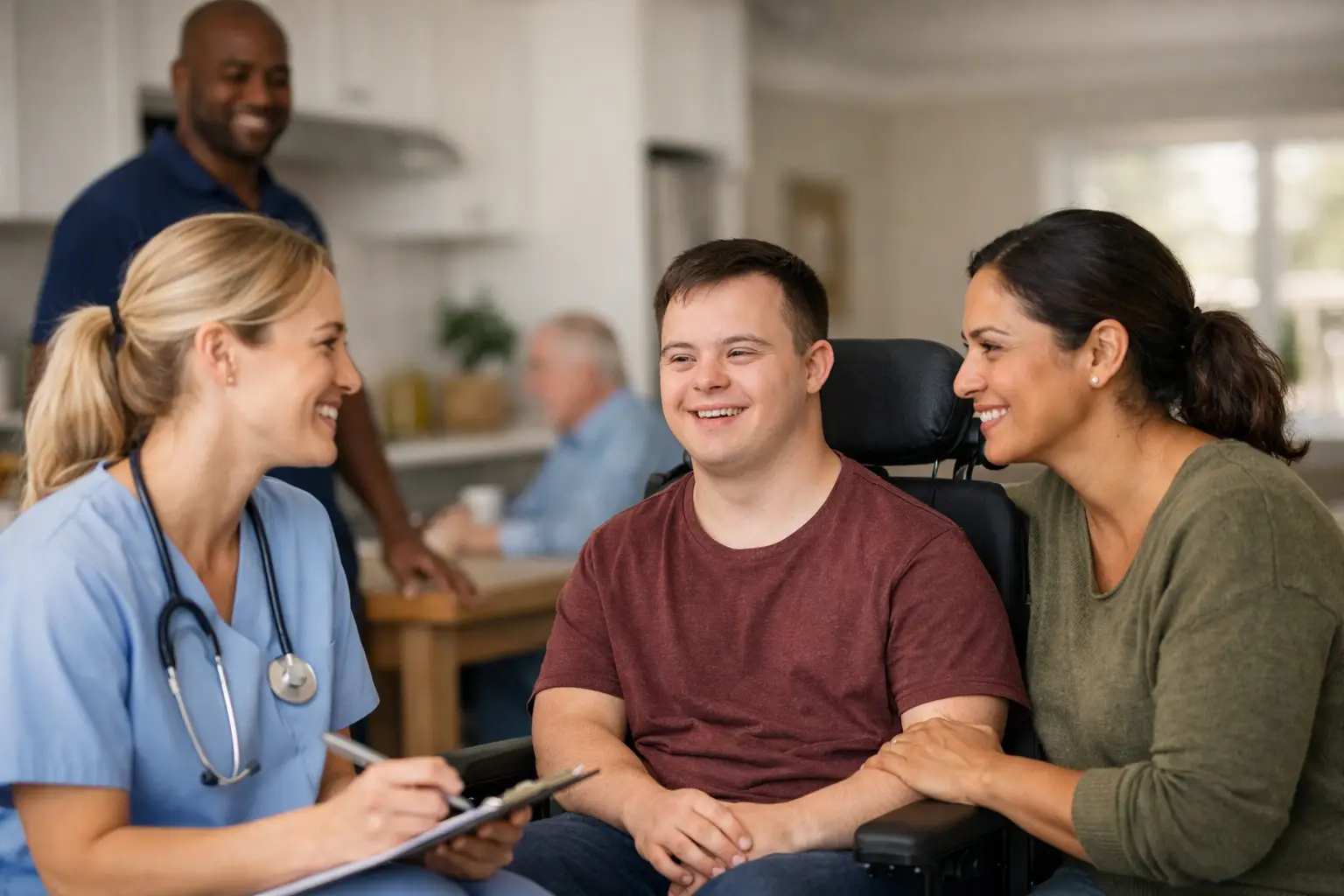
The strongest SIL arrangements are collaborative. Support workers bring daily insight. Families know the participant’s history and preferences. Support Coordinators keep the broader service picture moving. Allied health may address other parts of function. The nurse-led role is to assess clinical risk, translate health needs into workable routines, train staff where needed and document the care clearly.
That is where specialist nursing input adds real value. It brings structure to situations that can otherwise become reactive. It also gives providers a safer way to manage complexity without expecting non-clinical teams to fill clinical gaps.
Where participants are living with wound risks, continence issues, diabetes, catheter or stoma needs, bowel care concerns, medication-related issues or changing skin integrity, waiting until there is a crisis is rarely the best option. Early, practical nursing involvement can reduce confusion, improve staff confidence and support safer care every day.
If a SIL team is noticing recurring health concerns, mixed staff practice or unclear escalation pathways, that is usually the right time to seek nurse-led review – not because something has gone badly wrong, but because good care is easier to maintain when the clinical foundations are already in place.