

Best Signs a Participant Needs Clinical Nursing Oversight
A care routine can appear settled until one small change exposes a larger clinical risk: a wound dressing is soaking through sooner, a catheter blocks repeatedly, medication doses are missed, or support workers are unsure what is safe to do. The best signs a participant needs clinical nursing oversight are often these practical warning signs – the moments when a routine no longer has a clear, safe and consistent clinical foundation.
For participants with complex health support needs, nursing input is not only for a crisis. Nurse-led NDIS care can assess the issue early, establish clear clinical direction and help the people delivering day-to-day supports work with confidence. This protects participant dignity while giving families, Support Coordinators and providers the documentation they need to make informed decisions.
Best signs a participant needs clinical nursing oversight
Clinical oversight is indicated when a health-related task involves changing risk, uncertain instructions, repeated problems or skills that must be performed consistently. A participant may be managing at home, but the current arrangement can still be unsafe if knowledge sits with one family member, instructions are verbal only, or staff are relying on guesswork.
Skin breakdown, wounds or pressure concerns
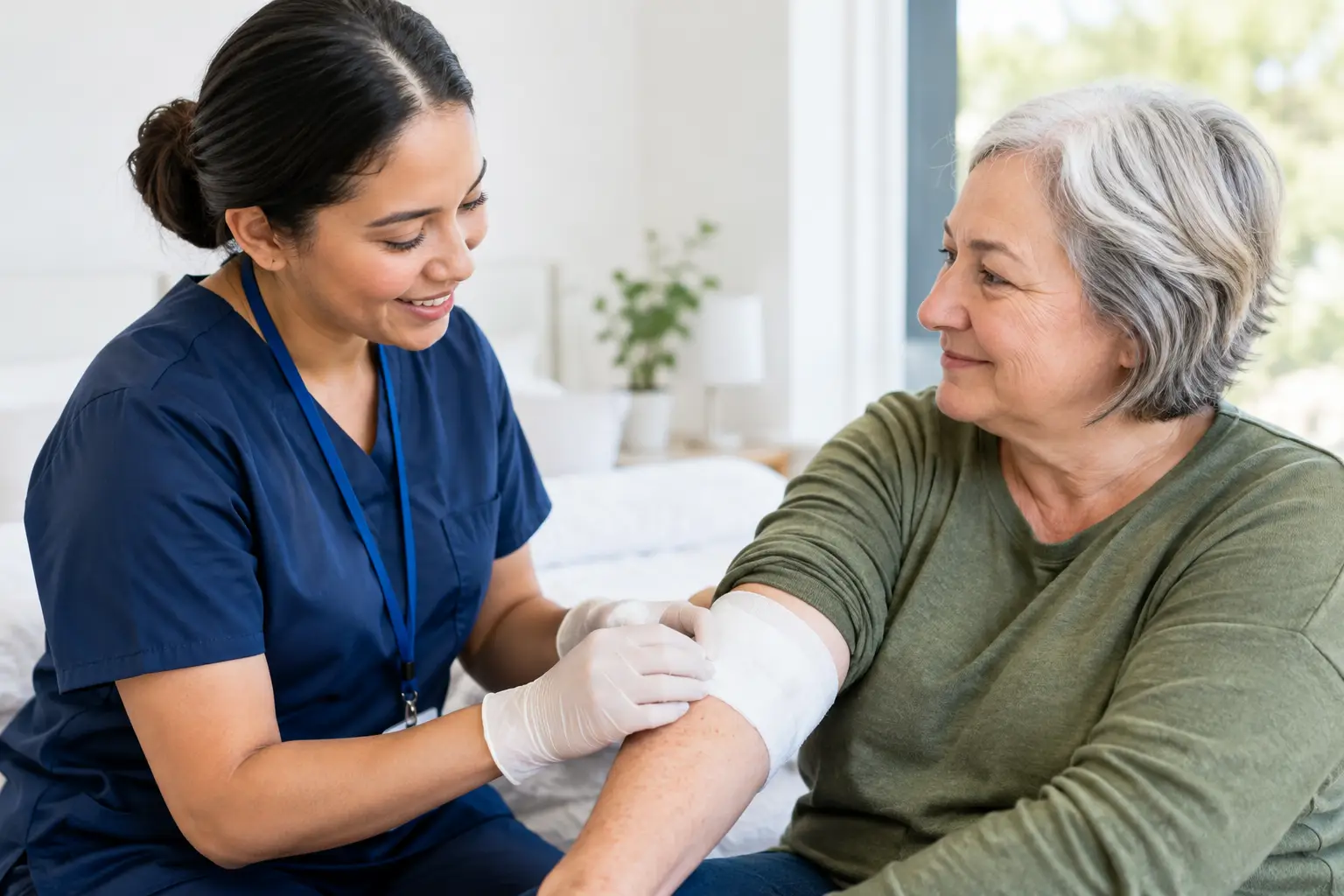
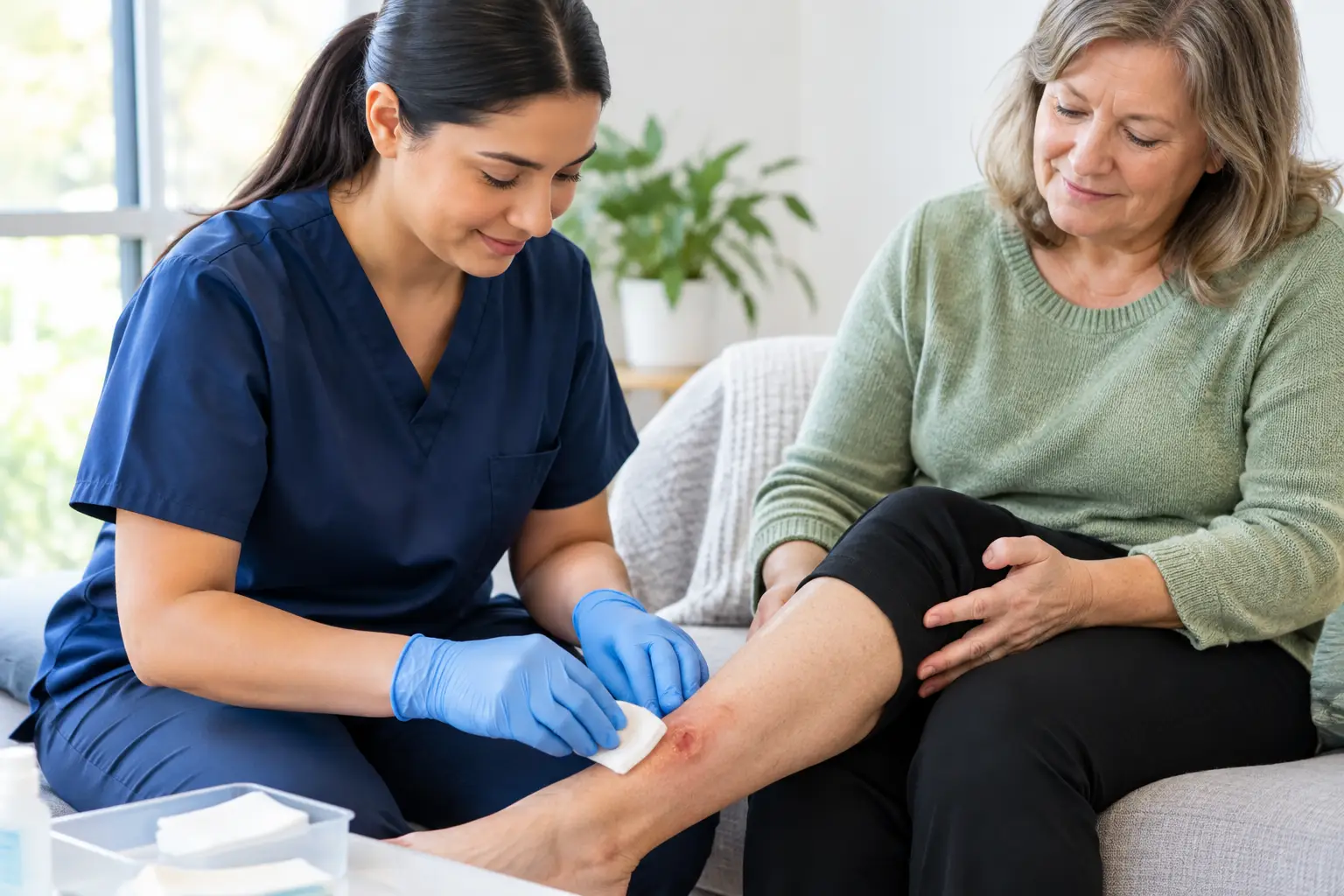
Any wound that is new, slow to heal, changing in appearance or producing increased fluid needs timely clinical attention. Redness that does not fade, broken skin, pain, odour, heat, swelling, leakage or changes in surrounding skin can indicate infection, pressure damage or another complication. A participant who spends long periods in bed or seated may also need a practical nursing assessment before skin damage develops.
Nursing oversight can clarify the wound-care routine, monitor healing, identify escalation triggers and provide a care plan that support workers can follow. Where pressure risk is present, the assessment should look beyond the wound itself. Moisture, continence patterns, nutrition, mobility, repositioning routines and the participant’s ability to report discomfort can all affect skin integrity.
Continence routines are no longer predictable
Continence support becomes a clinical issue when there are frequent accidents, new leakage, recurring urinary tract infection concerns, constipation, diarrhoea, bowel impaction risk, skin irritation or a routine that causes distress. A change in continence can affect sleep, community access, hydration, skin health and confidence, so it should not be treated as an inconvenience to manage around.
A continence assessment can establish the participant’s current pattern, identify risks and make practical recommendations for bowel and bladder routines. It can also support clear reports for Support Coordinators where the participant’s needs have changed and clinical evidence is required for a plan review or change of circumstances.
Catheter or stoma care relies on informal knowledge
Catheters and stomas can be safely managed in the community when there are clear instructions, appropriate skills and defined escalation pathways. Risk rises when a participant has recurring catheter blockages, leakage, pain, bleeding, skin irritation, frequent bag changes, unusual output, uncertainty about supplies or repeated after-hours calls for advice.
Another warning sign is when only one person knows the routine. If a family carer is unavailable, or a new support worker cannot confidently follow the care requirements, the arrangement may not be sustainable. Clinical support in the home can assess the routine, document the required care and provide support worker training and clinical oversight appropriate to the participant’s needs.
Medication support has become complicated or inconsistent
Medication mistakes are not always obvious. They can present as missed doses, uncertainty about whether a dose was given, trouble administering medication safely, side effects, frequent medication changes or conflicting instructions from different sources. Participants with swallowing concerns, diabetes, seizures, complex pain management or multiple medications may need closer nursing involvement.
The appropriate level of oversight depends on the medication, the participant’s health condition, their capacity and the tasks expected of workers. A nurse can review the practical process, identify where errors may occur and set out clear responsibilities. This is particularly valuable where several workers provide support across a week and consistency matters.
Diabetes management is affected by changing health or routines
Diabetes support needs review when blood glucose results are outside the participant’s usual range, meals are irregular, illness affects management, medication changes, hypo symptoms occur, or workers are uncertain about what to observe and when to escalate. Even a well-established routine can become unsafe after discharge from hospital, weight changes, reduced appetite or a new infection.
A clinical care plan should be practical enough for the people using it. It needs to describe usual supports, observations, records, warning signs and escalation steps in plain language, without asking workers to operate outside their training or role.
Support workers are being asked to perform high-intensity tasks without current training
One of the clearest signs that clinical nursing oversight is needed is uncertainty among the team. Support workers may be willing and caring, yet still not have the competency, training or written direction needed for a high-intensity support task. This can create risk for the participant and place workers in an unfair position.
Training should be connected to the participant’s actual care plan, equipment, health presentation and escalation requirements. A generic session may not be enough where needs are complex or change over time. Competency-based education and follow-up clinical oversight help ensure the routine is being implemented safely in real conditions.
When a care plan is missing, outdated or difficult to use
A clinical care plan is not useful simply because it exists. If it has not been reviewed after a hospital admission, new diagnosis, health decline, change in treatment or recurring incident, it may no longer reflect what staff need to do. Plans that use vague phrases such as “monitor closely” without describing what to observe or who to contact can leave workers exposed at the point of care.
Good clinical documentation turns concerns into practical action. It identifies the participant’s baseline, the required routine, recognised risks, early warning signs and escalation pathways. It also supports continuity when there are new staff, family changes or multiple service providers involved.
For Support Coordinators, this is where nursing evidence can make a real difference. Clear reports describe functional and clinical needs, the risks of unmet support, recommendations for safe implementation and the rationale for ongoing nursing involvement. They are not funding guarantees, but they provide relevant, well-organised evidence for NDIS planning discussions.
Signs that require prompt medical escalation
Nursing oversight supports prevention, but some changes require urgent review by a treating medical team or emergency response. Families and workers should not wait for a routine assessment if a participant has severe breathing difficulty, chest pain, altered consciousness, uncontrolled bleeding, a suspected severe allergic reaction, signs of sepsis, severe hypo or hyperglycaemia symptoms, or rapidly worsening pain and illness.
The participant’s existing health plan and emergency instructions should guide the immediate response. Once the urgent issue is addressed, a nursing review can help determine whether the home care routine, training or clinical plan needs to change to reduce the chance of recurrence.
What to prepare before referring for nursing input
A focused referral helps a nurse assess risk efficiently. It is useful to provide the participant’s diagnosis and current health concerns, relevant discharge information, existing care plans, medication information, recent incident details, treating-team instructions and a description of the tasks workers are currently undertaking. Photos may assist with skin or wound concerns where appropriate consent and privacy processes are in place, but they do not replace an assessment.
It also helps to explain what is not working. Perhaps the routine varies between workers, the participant is experiencing discomfort, family carers are exhausted, staff need training, or a Support Coordinator requires evidence for a review. The reason for referral shapes the assessment and the most useful recommendations.
Compassion Wings provides nurse-led NDIS care across Adelaide for participants who need practical nursing assessments, safe care plans, clinical reports and support worker education. The aim is not to make daily care more complicated. It is to make the right clinical expectations visible, workable and safe.
The earlier a changing health need is assessed, the more options a participant and their team usually have. Clear clinical oversight can replace uncertainty with a routine that respects the participant, supports workers and helps the person stay safe at home.



1 Comment
Can Support Workers Check Glucose Safely? - Compassion Wings
September 5, 2026[…] worker training and clinical oversight are particularly important where diabetes management is complex or changing. Referral to a nurse is […]