

NDIS Nursing Report for Plan Review
A plan review can stall quickly when everyone knows a participant’s health needs have changed, but the evidence on file does not explain the clinical risk clearly enough. That is where an NDIS nursing report for plan review becomes more than paperwork. It gives Support Coordinators, families and planners a practical clinical picture of what is happening at home, what support is required, and why the current setup may no longer be safe.
For participants with complex health support needs, a nursing report should do more than describe a diagnosis. It should translate daily clinical issues into clear functional impact, support requirements and risk management. Done well, it helps the NDIS understand why nursing oversight, high-intensity supports, revised care routines or additional staff training may be necessary.
What an NDIS nursing report for plan review is meant to do
A strong nursing report is not simply a letter of support. It is a clinical document based on assessment, observation and professional judgement. Its job is to show how a participant’s current health needs affect day-to-day care, safety, function and support delivery in the home or community.
That matters because many participants live with needs that are not obvious in a standard planning conversation. A person may look stable on paper while managing recurrent catheter blockages, pressure injury risk, complex bowel care, unstable blood glucose levels, medication risks or wound deterioration. If those issues are not documented properly, the plan may fail to reflect the actual level of care required.
A useful report also helps separate clinical need from general support need. That distinction is important. Where there is a nursing task, a high-intensity support requirement, or a clear need for support worker training and clinical oversight, the documentation should say so plainly.
When a nursing report is worth requesting
Not every participant needs nursing input for a review. But where health needs are changing, unstable, poorly understood or creating risk for support teams, nursing evidence is often essential.
Common situations include worsening continence issues, frequent urinary tract infections, skin breakdown, pressure care concerns, stoma complications, catheter management problems, medication complexity, diabetes support needs, bowel care risk, or repeated hospital presentations linked to preventable clinical issues. In these cases, practical nursing assessments can show not only what is happening, but what support arrangements are needed to keep the participant safe at home.
Support Coordinators often request a report when care needs have outgrown the current roster or when providers are raising concerns about tasks they are not trained to perform. Families may seek one when daily care has become harder to manage, or when they feel the participant’s dignity is being compromised by rushed or inconsistent routines. SIL and support worker organisations may also need clinical clarification where staff require training, escalation pathways or revised care plans.
Timing matters. If a review is approaching and the participant’s condition has shifted over several months, it is usually better to arrange a nursing assessment early rather than trying to pull evidence together at the last minute.
What should be included in an NDIS nursing report for plan review
The best reports are specific. They connect assessment findings to practical support needs rather than relying on broad statements.
A thorough report will usually outline the participant’s relevant clinical history, current diagnoses where they affect care, presenting concerns, and the nurse’s assessment findings. It should describe what the participant can do independently, where assistance is needed, what risks are present, and what happens when care is delayed, missed or delivered incorrectly.
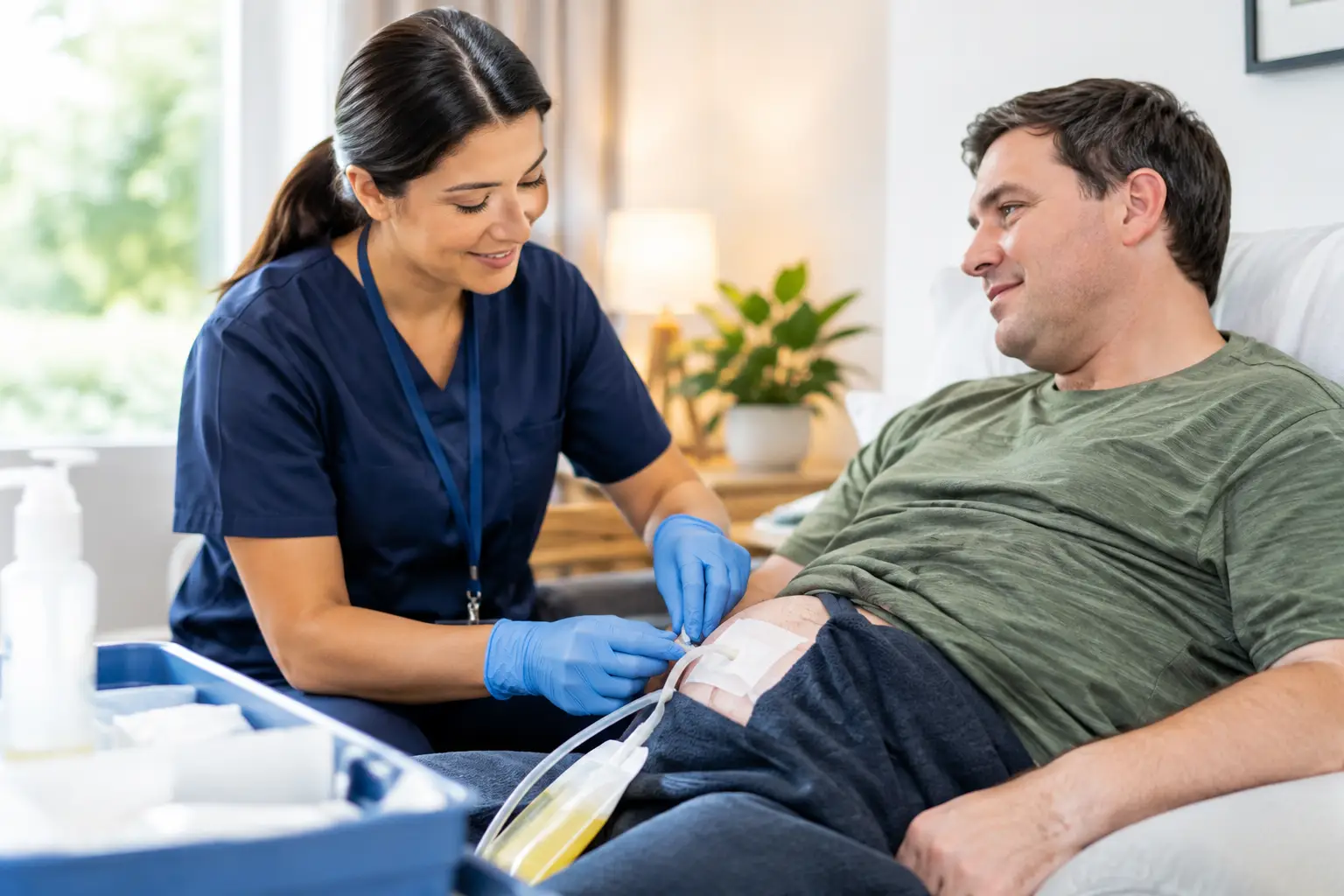
For example, in continence care, the report should not stop at “requires continence support”. It should explain the pattern of incontinence, skin integrity issues, infection history, required products or routines, manual handling considerations, and whether staff need specific training to implement care safely. The same principle applies to wound care, pressure injury prevention, stoma care, catheter support, bowel and bladder routines, diabetes management and medication oversight.
Good reports also identify the level of clinical input required. That may include nurse-led NDIS care, regular review by a registered nurse, clinical care plan development, support worker training and clinical oversight, or escalation to other health providers where concerns sit outside the NDIS support role.
Most importantly, the recommendations need to be practical. Vague wording creates delays. Clear reports for Support Coordinators should spell out what is needed, how often it is needed, who needs training or oversight, and what risks remain if current supports stay the same.
Why clear clinical evidence changes the conversation
Many NDIS stakeholders have seen reports that list diagnoses without explaining daily impact. Those documents rarely help enough. Planners and reviewers need to understand the relationship between the health issue and the support requirement.
A clinically useful report shows the real-world effect of a participant’s condition. It may explain that poor pressure care increases the likelihood of skin breakdown and hospital admission, or that inconsistent bowel care leads to pain, distress and escalation risk. It may show that support workers need competency-based training before assisting with a catheter or stoma routine. It may document that medication administration risks have increased due to cognitive or physical decline.
This kind of evidence supports safer funding decisions because it is anchored in observed care needs, not assumptions. It also helps reduce the risk of under-supporting the participant, overloading informal carers, or placing support staff in situations beyond their training.
There is a balance here. A report should be strong, but it must stay within scope. Good nursing documentation does not promise funding outcomes. Instead, it presents the clinical facts clearly enough for informed decisions to be made.
What Support Coordinators and families should prepare beforehand
The quality of the assessment often improves when the nurse receives good background information early. That does not mean creating extra admin for already stretched families or coordinators. It means gathering the essentials.
Recent hospital discharge summaries, current medication lists, wound charts, continence concerns, incident patterns, support rosters, previous care plans and details about who is currently providing daily support can all be useful. If support workers are reporting difficulties with bowel care, diabetes support or pressure care routines, those concerns should be documented before the visit.
It also helps to be clear about the reason for referral. Is the issue a routine plan review, a change of circumstances, staff competency concerns, repeated clinical incidents, or uncertainty about what level of nursing support is actually required? A focused referral leads to a more focused report.
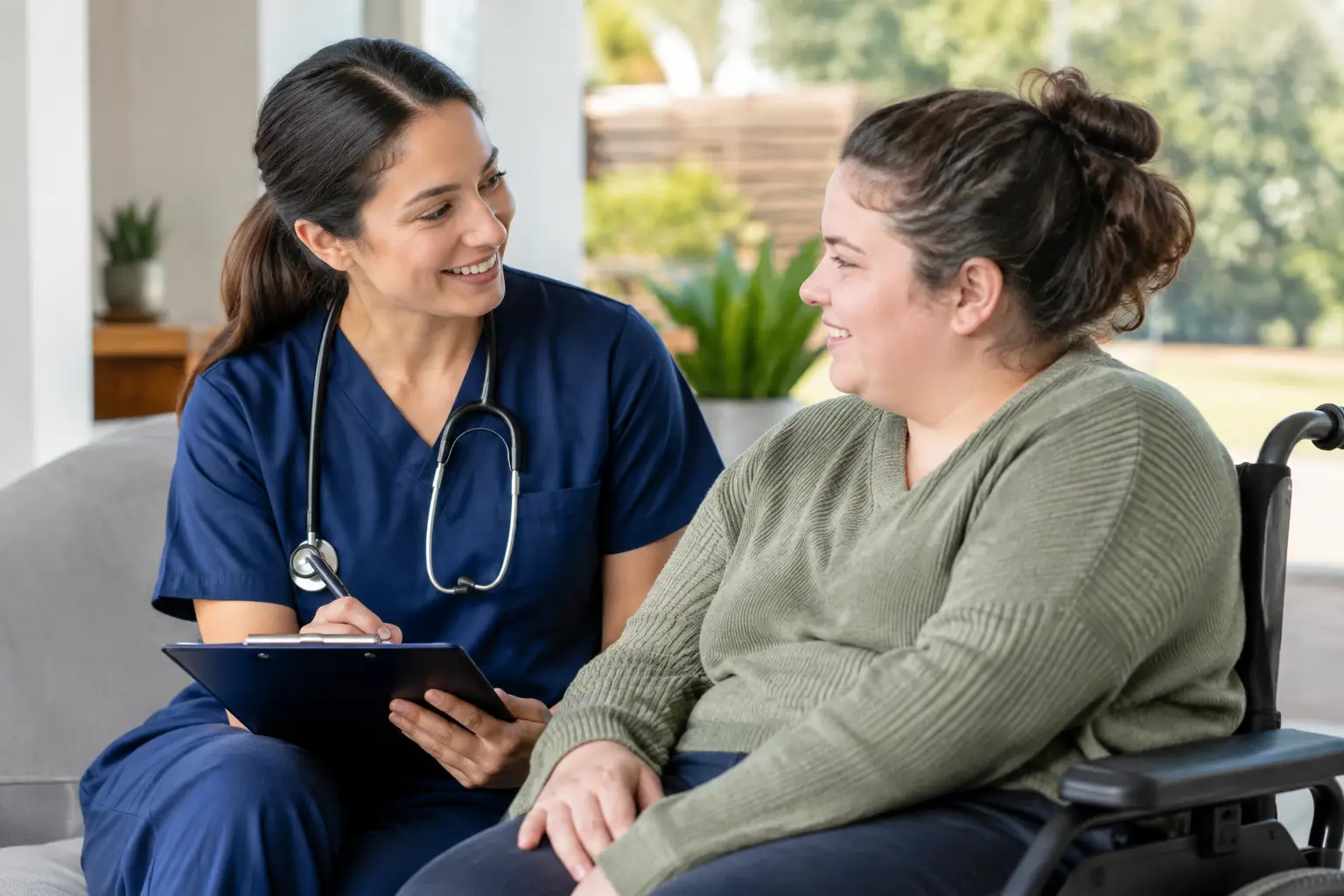
For participants, dignity matters throughout this process. A nursing assessment should not feel like being talked about over the top of them. The best clinical support in the home involves listening carefully, assessing respectfully and documenting needs without stripping away privacy or autonomy.
The value of nurse-led assessment in complex care
When participants have multiple overlapping issues, a nurse-led assessment can bring order to a situation that feels fragmented. Continence may be affecting skin integrity. Reduced mobility may be increasing pressure injury risk. Medication timing may be affecting bowel routine consistency. Support workers may be doing their best, but without clinical oversight the whole system can become reactive.
This is where nurse-led NDIS care makes a difference. An experienced nurse can assess the immediate issue while also identifying connected risks, practical changes and education needs. That often results in better care planning, clearer delegation, and fewer preventable crises.
For Adelaide participants with complex health support needs, this kind of local, practical nursing input can be especially helpful when teams are coordinating across family, support workers, allied health and hospital services. Everyone needs the same clear picture.
Compassion Wings focuses on safe, dignity-focused care and practical clinical reporting for exactly these situations – helping participants stay safe at home while giving coordinators and care teams documentation they can rely on.
A report is only useful if it reflects real care delivery
One common problem in plan review evidence is that recommendations sound reasonable on paper but do not match what can actually be delivered in the participant’s home environment. Staffing capacity, participant tolerance, infection risk, manual handling requirements and family involvement all shape what is realistic.
That is why practical nursing assessments matter. The report should reflect the participant’s actual routines, their home setup, the complexity of each task and the training level of the people involved. It should also note when a participant’s condition is likely to change, because some supports need regular review rather than a set-and-forget approach.
An honest report may say that a participant is currently managing, but only because a family member is covering significant clinical tasks without formal support. It may also say that a low-frequency nursing model is no longer enough, or that support workers require refresher education to maintain safe care standards. These details are not minor. They are often the difference between a stable care arrangement and repeated breakdown.
If you are approaching a review and there is uncertainty about continence, wounds, pressure care, stoma support, catheter care, medication risk, diabetes routines or support worker competency, it is usually a sign that nursing input should happen now rather than after another preventable setback.



3 Comments
Continence Assessment for Adults Explained - Compassion Wings
June 14, 2026[…] participants with complex health support needs, evidence matters. Families may know that care has become harder. Support teams may see that routines are taking […]
Clinical Oversight for SIL Providers - Compassion Wings
June 19, 2026[…] required, what risks are present, what training is needed and what evidence supports a review or change of circumstances. Good reports do not overstate things. They connect observed clinical needs with practical […]
When Is a Nursing Report Needed for NDIS? - Compassion Wings
August 7, 2026[…] Plan reviews are a common reason to seek a nursing report, especially where a participant needs high-intensity clinical supports or their care requirements have become more complex. Older reports may no longer reflect the participant’s current skin integrity, continence status, wound management needs or level of nursing oversight. […]