



How to Reduce Wound Infection Risk at Home
A dressing that slips, becomes wet or is changed inconsistently can quickly turn a manageable wound into a source of pain, distress and hospital risk. Knowing how to reduce wound infection risk is especially important for NDIS participants with reduced mobility, diabetes, continence needs, impaired sensation or complex health conditions. Safe wound care is not simply about applying a dressing. It relies on assessment, a reliable routine, early recognition of change and clear clinical escalation.
For families, Support Coordinators and support teams, the goal is to help the participant stay safe at home while protecting dignity and avoiding preventable deterioration.
Start with a practical nursing assessment
Every wound has a cause, and that cause affects how it should be managed. A pressure injury, skin tear, surgical wound, venous leg ulcer, diabetic foot wound or wound affected by moisture from continence issues will not have the same treatment plan. Using a generic dressing routine without understanding the wound can delay healing or conceal early infection.
A nurse-led assessment should consider the wound’s location, size, depth, tissue type, drainage, odour, pain and condition of the surrounding skin. It should also look beyond the wound itself. Nutrition, hydration, mobility, pressure exposure, circulation, diabetes management, continence routines, medication and the participant’s ability to report discomfort all influence infection risk.
This assessment creates the basis for a clear care plan. It should state who can complete each part of wound care, what products are required, how often the wound needs review, what should be documented and when staff must contact a nurse or medical practitioner. For participants receiving complex health support, this level of clarity protects both the person and the team delivering care.
How to reduce wound infection risk through daily routines
The most effective infection prevention measures are often the small, repeatable ones. Hand hygiene comes first. Anyone touching the wound area, dressing supplies or surrounding skin should clean their hands before and after care. Gloves are not a substitute for hand hygiene, and they should be changed if moving from a contaminated task to a clean one.
Keep dressings clean, dry and secure. If a dressing becomes wet, soiled, loose or saturated with drainage, it may need earlier attention according to the clinical care plan. A dressing should not be removed repeatedly just to check the wound unless this has been directed by the treating clinician. Frequent unnecessary handling can disturb healing tissue and introduce bacteria.
Use only the wound products and cleansing method specified in the care plan. Well-meaning substitutions, including antiseptics, creams or home remedies, can irritate tissue or interfere with the intended treatment. This is particularly relevant when different workers provide care across a roster. Supplies need to be clearly labelled, stored cleanly and checked before use so expired or incorrect items are not used.
Good documentation is part of infection prevention, not administrative extra work. Record dressing changes, wound appearance, drainage, pain, odour, accidental dressing removal and any concerns raised by the participant. A simple, consistent record makes changes easier to identify and gives the nurse meaningful information when reviewing the wound.
Protect the skin around the wound
Infection often gains a foothold when the skin barrier is damaged. Keeping the skin around a wound dry, protected and free from friction matters as much as the dressing itself. Moisture associated with urinary or faecal incontinence can break down skin rapidly, particularly around the sacrum, buttocks, groin and upper thighs. A planned bowel and bladder routine, prompt hygiene and suitable barrier products can reduce this risk.
Pressure is another major factor. If a wound is on a heel, foot, sacrum or another bony area, ongoing pressure can prevent healing and deepen the injury. Regular repositioning, pressure care strategies and checking that footwear, bedding or seating are not rubbing the wound should be part of daily care. The right approach depends on the wound location, the participant’s mobility and their overall health, so pressure strategies should be clinically assessed rather than assumed.
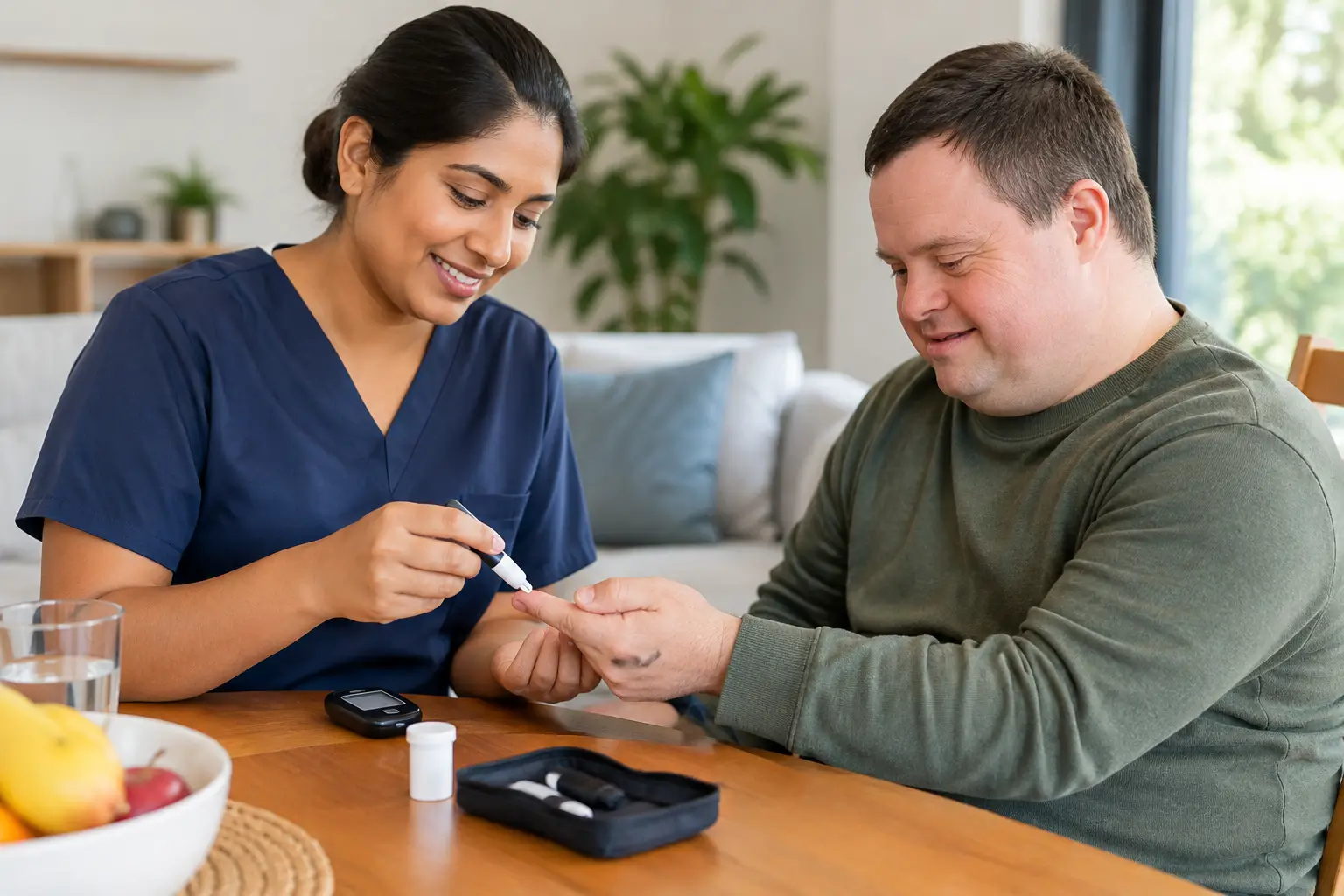
For people with diabetes, blood glucose management and foot checks are also closely connected to wound healing. Reduced sensation can mean a participant does not feel a blister, rubbing or minor injury until it has progressed. New redness, swelling or a break in the skin should be assessed early, particularly on the feet.
Know the early signs that need escalation
Not every change means a wound is infected, but delay can be costly. A wound may become more painful, red or warm as it deteriorates, while some people with reduced sensation may have few symptoms. Comparing the wound and surrounding skin with previous documentation is helpful, but clinical review should not wait for a change to become dramatic.
Contact the treating nurse or medical practitioner promptly if there is increasing redness or warmth around the wound, new or worsening swelling, increasing pain, pus-like drainage, a strong or unusual odour, or a noticeable increase in fluid from the wound. Other concerns include wound edges separating, skin becoming darker or dusky, unexpected bleeding, fever, chills, confusion or a participant who appears generally unwell.
Urgent medical assessment may be required if the participant has fever or systemic illness, rapidly spreading redness, severe pain, confusion, a significant decline in wellbeing, or a wound that is rapidly worsening. Support workers should never be expected to diagnose infection. Their role is to observe, document, follow the escalation pathway and seek help without delay.
Make the care plan usable for every worker
A care plan only reduces risk when the people delivering care can follow it confidently. Vague instructions such as “monitor wound” are not enough. Workers need to know what normal looks like for that particular wound, what changes are reportable, who to call, and what to do if the participant refuses care or the necessary supplies are unavailable.
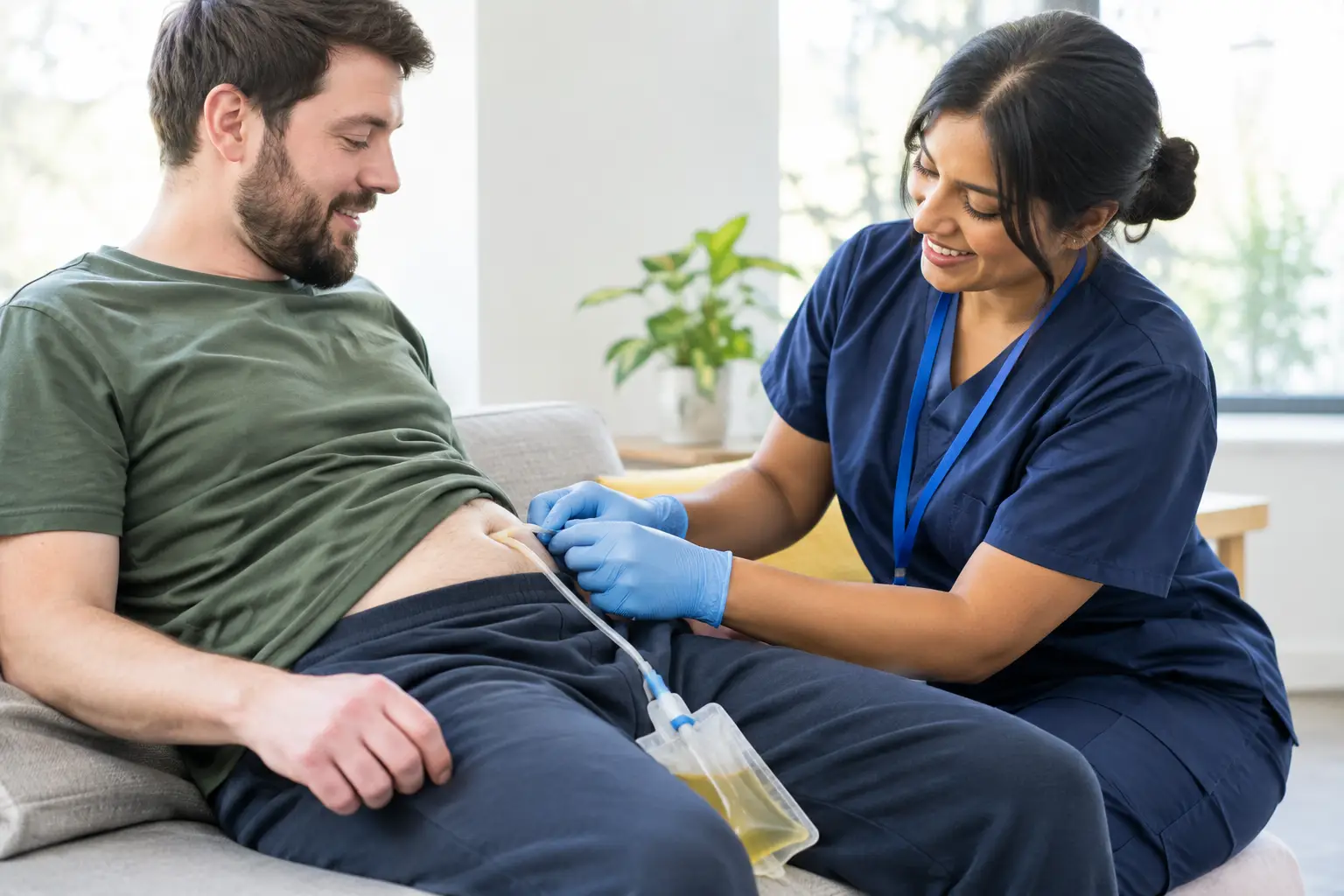
Support worker training and clinical oversight are particularly valuable where wound care intersects with catheter support, stoma care, continence management, diabetes care or pressure injury prevention. These needs can overlap, and a missed step in one routine may affect the wound. For example, a leaking continence product may compromise a sacral dressing, while poorly fitting footwear can aggravate a foot wound.
Clear handovers matter across shift changes, weekends and periods when regular staff are away. Staff should communicate factual observations rather than assumptions: where the dressing was loose, how much drainage was visible, whether the participant reported pain, and when the concern was escalated. This produces a safer clinical record and prevents important details being lost between workers.
When nursing input should be arranged
A referral for clinical support in the home is appropriate when a wound is not improving as expected, dressings are difficult to manage, skin breakdown keeps recurring, or support workers need training to safely implement a plan. Nursing input is also valuable after hospital discharge, when there has been a change in wound treatment, or where documentation is needed to show the participant’s changing clinical needs.
For Support Coordinators, practical nursing assessments and clear reports for Support Coordinators can help establish what care is required, what risks need active management and what level of clinical oversight is appropriate. This is particularly helpful when multiple providers, family members and health professionals are involved.
Compassion Wings provides nurse-led NDIS care across Adelaide for participants with complex wound, skin integrity and pressure care needs. The focus is safe, dignity-focused care: assessing the wound and contributing factors, developing workable clinical care plans, training support teams and escalating concerns appropriately.
A wound does not need to look dramatic before it deserves attention. Consistent routines, careful observation and timely nursing review give participants the best chance of healing safely at home.