

NDIS Health Documentation That Supports Safe Care
A leaking stoma appliance, a wound that has changed colour, repeated catheter blockages or a bowel routine that only works when one family member is present are not just daily care issues. They are clinical risks that need to be assessed, recorded and communicated properly. High-quality NDIS health documentation makes those needs visible to the people responsible for coordinating, delivering and reviewing care.
For participants with complex health needs, documentation should never be paperwork completed after the real work is done. It is part of the care itself. It gives support workers practical direction, helps families understand when to escalate concerns, and provides Support Coordinators with clear reports for decisions about changing needs.
Why NDIS health documentation matters in complex care
A participant may have lived with a health condition for years, yet their supports can become unsafe when care knowledge sits only with a parent, a long-term worker or an outdated hospital discharge summary. Staff change, routines change and a participant’s skin, continence, mobility, cognition or health status may change gradually.
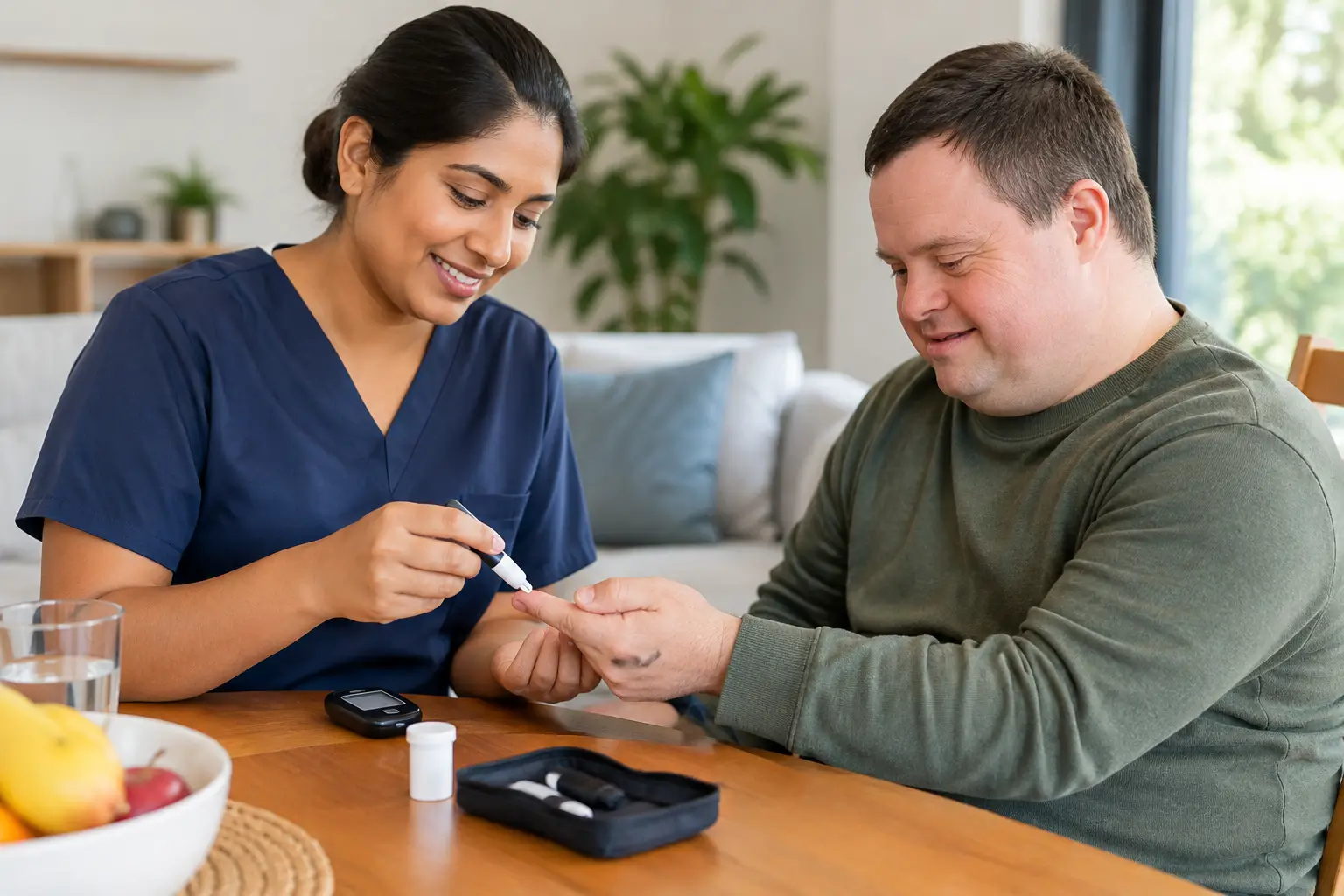
Good documentation creates continuity. It sets out what the person needs, why they need it, what safe care looks like, and what should happen if their condition changes. This is particularly important for wound care, pressure injury prevention, catheter and stoma support, diabetes routines, medication-related concerns and bowel or bladder care.
It also protects participant dignity. Clear instructions can reduce unnecessary exposure, inconsistent personal routines and distress caused by trial-and-error care. A well-written plan does not reduce someone to a diagnosis. It explains how to provide safe, dignity-focused care in a way that suits their preferences, communication style, home environment and established routine.
For Support Coordinators and Plan Managers, clinical evidence helps distinguish a general request for assistance from a documented health-related need requiring nursing input, trained implementation or ongoing oversight. Evidence does not guarantee a funding outcome, but it gives decision-makers a clearer, more defensible picture of functional impact and clinical risk.
What strong NDIS health documentation should include
The right documents depend on the participant’s circumstances. A short-term wound concern needs different evidence from a long-standing neurogenic bowel routine or a recurring pressure injury. However, practical nursing assessments generally address the same core questions.
First, the record should describe the current clinical issue in plain, objective language. This includes relevant history, observed symptoms, known triggers, existing treatment, equipment or consumables in use, and any recent hospital admissions or changes in health. Assumptions and vague phrases such as “high needs” are not enough on their own.
Second, it should explain the functional impact. For example, does the participant need another person to monitor skin integrity because they cannot see or reach an area of concern? Are they unable to independently manage a catheter drainage bag due to reduced hand function? Does a complex bowel routine require timing, privacy, positioning and trained assistance to avoid constipation, autonomic symptoms or unplanned presentations to hospital?
Third, documentation needs a clear risk assessment. This should identify what may happen if the routine is missed, delayed or performed incorrectly. Risks might include infection, skin breakdown, medication error, aspiration, hypoglycaemia, catheter trauma, stoma complications or avoidable emergency care. The focus should remain proportionate and factual rather than alarmist.
Finally, the document must translate assessment findings into workable actions. It should state who is responsible for each task, the level of training or nursing oversight required, what observations staff need to record, when to contact a nurse or GP, and when urgent escalation is needed.
Assessment, care plan and nursing report: different jobs
These terms are often used interchangeably, but they serve different purposes.
A nursing assessment establishes the participant’s current clinical needs. It may include a continence assessment, wound assessment, skin integrity review or review of a diabetes support routine. The assessment is the clinical foundation for recommendations.
A clinical care plan turns those recommendations into daily instructions. It needs to be practical enough for trained support workers to follow in the home. A useful plan can outline preparation, infection-control measures, the sequence of care, participant preferences, documentation requirements and escalation steps.
A nursing report is often prepared for a plan review or change of circumstances. It should clearly link the participant’s health needs to their daily support requirements, current risks and recommended clinical supports. Clear reports for Support Coordinators are especially valuable where needs have increased, care has become more complex or existing arrangements are no longer safe.
When a Support Coordinator should refer to a nurse
A nursing referral is worth considering when care has moved beyond a stable, clearly understood routine. Often, the warning signs are practical rather than dramatic: workers are receiving inconsistent instructions, family members are worried about skin changes, a participant has had recurring infections, or staff are unsure whether they are trained to complete a task safely.
Referral is also appropriate after hospital discharge where there is a new wound, catheter, stoma, altered medication routine or diabetes management requirement. Discharge information may be clinically useful, but it is not always written for an NDIS support environment. A nurse can assess what the participant needs at home and convert hospital recommendations into realistic, safe procedures.
Other common triggers include recurring pressure areas, worsening continence-associated dermatitis, frequent constipation or incontinence episodes, unexplained weight or skin changes, medication administration concerns, and an increased reliance on family for clinical tasks. Early assessment can prevent a manageable issue becoming a crisis.
Documentation must work for the people delivering care
A care plan that is clinically accurate but difficult to use will not improve safety. Frontline documentation needs to be specific, accessible and matched to the skills of the workers implementing it.
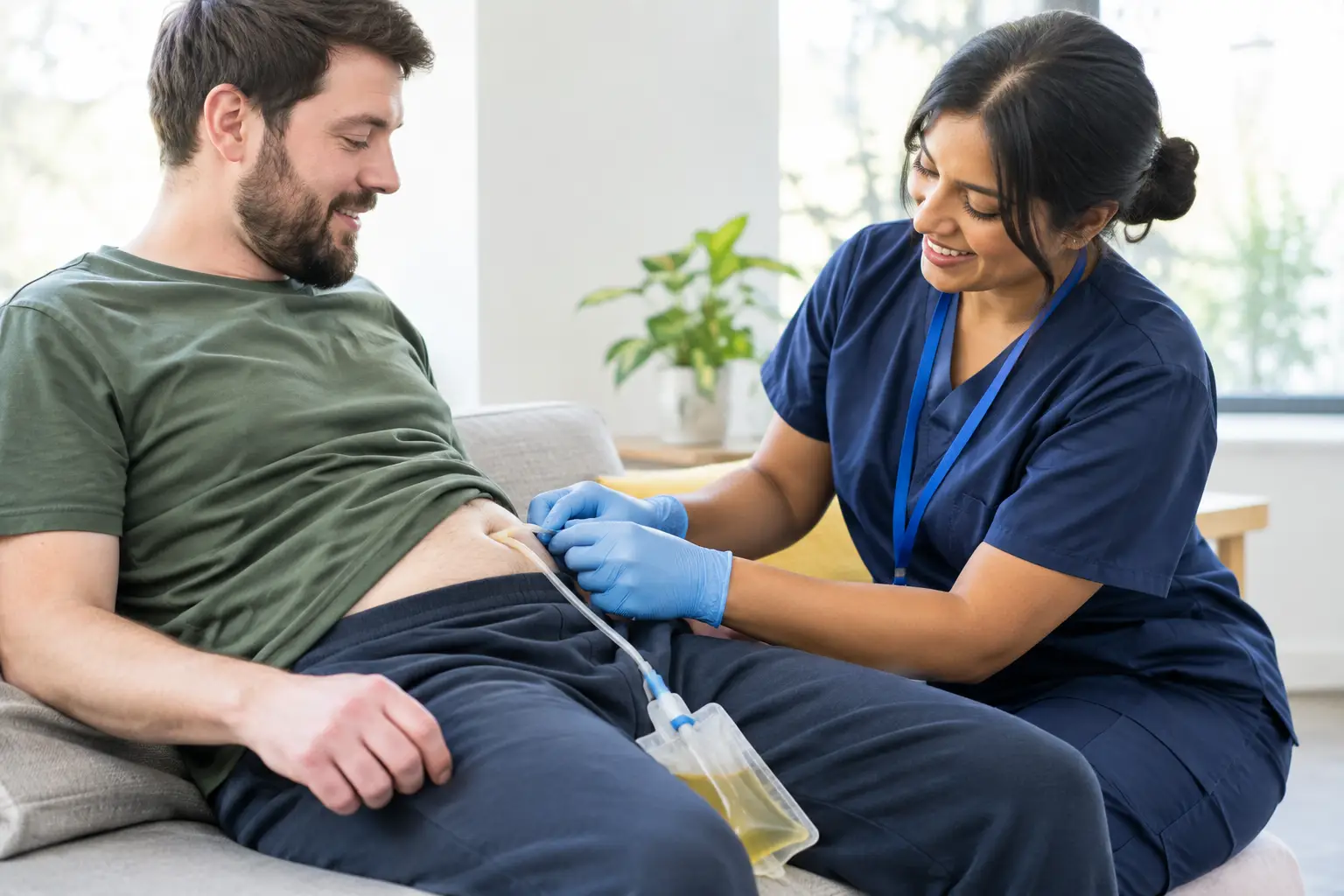
For example, “monitor wound” is not adequate direction. Staff need to know what changes matter: increased redness, warmth, odour, exudate, pain, swelling, bleeding, wound edge changes or fever. They also need to know who to contact and what information to provide. Similarly, a catheter plan should not simply say “provide catheter care”. It should outline hygiene requirements, securement, drainage bag management, fluid observations where relevant, warning signs and escalation pathways.
Support worker training and clinical oversight are essential where workers are expected to carry out high-intensity supports. Training should be connected directly to the participant’s assessed needs and care plan, rather than relying on a generic competency alone. It may need refreshing after a change in health status, an incident, staff turnover or an update to the procedure.
This is where nurse-led NDIS care adds real value. The nurse can assess the issue, prepare the clinical documentation, teach the required routine, answer practical questions and review whether the plan is working in the participant’s everyday setting.
Common documentation gaps that create risk
The most concerning gaps are often small at first. An old plan may refer to products no longer used. A wound chart may record dressing changes but not wound measurements or deterioration. A bowel plan may describe medication but leave out the participant’s usual signs of constipation and the point at which a nurse or GP must be contacted.
Another common issue is conflicting information across documents. Families, nurses, allied health clinicians and providers may each hold part of the story. Without a current clinical plan, workers can be left to decide which instruction is correct. This is unfair to staff and unsafe for the participant.
Records should also be reviewed when there has been a material change. A care plan is not a document to file away indefinitely. Changes in mobility, cognition, skin integrity, equipment, diagnosis, medications, living arrangements or hospital admissions may all affect the safety of a routine.
Preparing for a nursing assessment or report
A referral does not need to be perfect, but the right information helps the nurse assess promptly. Share the reason for referral, current concerns, recent clinical correspondence where available, relevant care plans, incident details, current supports and who is involved in the participant’s care. It is also helpful to identify what decision or problem the documentation needs to address.
For a plan review report, provide the review timeframe and explain whether the concern is an increase in needs, a new health issue, a breakdown in the current care arrangement or a need for trained implementation. The nurse can then focus the assessment and reporting on the evidence most relevant to safe ongoing support.
In Adelaide, Compassion Wings provides practical nursing assessments, clinical care plans, support worker training and nursing reports for participants whose health needs require more than a generic service response. The focus is on helping participants stay safe at home while giving families and Support Coordinators clear, clinically grounded direction.
The best documentation is not the longest document in the file. It is the one that helps the next person provide the right care, notice the right change and act before a preventable health issue becomes more serious.