

Clinical Nursing in Campbelltown, Adelaide
A wound dressing that repeatedly fails, a catheter routine that changes between workers, or unexplained skin redness can become a serious problem well before an emergency presentation is needed. When clinical nursing in Campbelltown, Adelaide is required, the priority is not simply arranging a visit. It is obtaining a sound nursing assessment, a practical plan that can be followed at home, and clinical oversight when a participant’s needs change.
For NDIS participants with complex health support needs, families and Support Coordinators are often balancing several pressures at once: safety, dignity, consistency of care, documentation and the need to act promptly. Nurse-led NDIS care brings these elements together in a way that is clinically accountable and workable for the people providing day-to-day support.
When a clinical nursing referral is needed
A referral is appropriate when health-related support requires nursing judgement, monitoring or a clearly defined clinical process. This can include a new issue, such as a wound following a hospital admission, or a routine that has become less safe over time. The concern does not need to be a crisis before a nurse should be involved.
Common reasons for referral include continence concerns, recurrent urinary issues, constipation or bowel routine changes, catheter care, stoma support, diabetes monitoring, medication concerns, skin breakdown, pressure injury risk and wounds that are slow to heal. A referral may also be needed when support workers are unsure how to carry out a high-intensity task safely, or where a provider needs clear instructions and training before commencing a clinical routine.
Clinical input is particularly valuable when there is a pattern rather than a one-off event. For example, a participant may have recurring leakage, frequent dressing changes, redness over pressure areas, inconsistent blood glucose records or repeated unplanned medical reviews. These patterns can indicate that the existing plan is incomplete, no longer suitable, or not being implemented consistently.
The difference nursing assessment makes
Practical nursing assessments look beyond the immediate task. A nurse considers the participant’s health history, current presentation, environment, equipment and daily routine, as well as what families and support workers are observing. This helps identify risks that may otherwise be missed, including infection, deterioration in skin integrity, hydration concerns, bowel complications or an unclear escalation pathway.
The result should be more than general advice. A useful assessment produces recommendations that fit the participant’s home routine and can be translated into daily practice. It should also identify when the participant needs review by their GP, specialist or acute health team. Nursing support complements medical care and allied health input. It does not replace them.
Clinical nursing in Campbelltown, Adelaide: what care can include
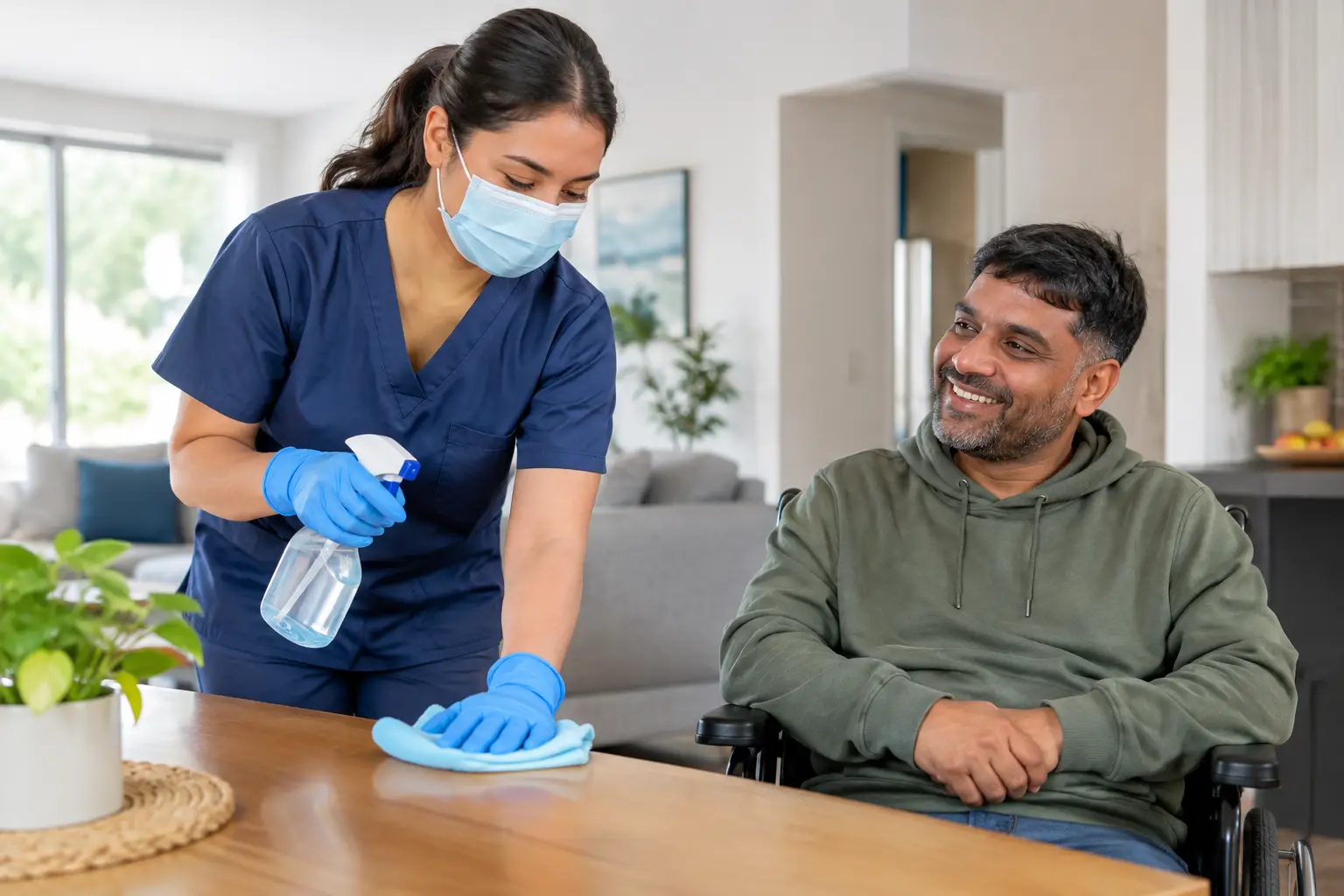
The right service depends on the participant’s presentation and goals, but the focus remains the same: safe, dignity-focused care delivered in the home or community where possible. For a participant in Campbelltown or nearby eastern Adelaide suburbs, nursing input can include an initial assessment followed by regular reviews, care planning, worker education and reporting where needed.
Continence, bowel and bladder support
Continence concerns are often managed for too long without a detailed clinical assessment. Leaks, urgency, constipation, frequent urinary tract infections, night-time disruption and skin irritation can affect health, sleep and participation in ordinary routines. A nursing assessment can examine bladder and bowel patterns, fluid intake, products, skin condition, existing diagnoses and the practical barriers affecting care.
The aim is not a generic checklist. It is a realistic continence or bowel and bladder plan that supports privacy, reduces preventable skin issues and gives support workers clear guidance about what to record and when to escalate concerns.
Wound care, pressure care and skin integrity
Wounds and pressure injuries demand consistency. Dressing selection, cleansing, frequency of review, moisture management and observation of changes all matter. A plan that is clinically correct but difficult for workers to follow is unlikely to deliver the intended outcome.
Nursing assessment can clarify the wound’s current status, contributing factors and warning signs. For participants at risk of pressure injury, care may also address positioning routines, skin checks, continence-related moisture and the early changes that require escalation. Regular review is essential because skin can deteriorate quickly, particularly where mobility, nutrition, circulation or sensation are affected.
Stoma, catheter and diabetes support
Stoma and catheter routines involve both clinical risk and personal dignity. Problems such as leakage, discomfort, blocked catheters, peristomal skin damage or recurrent infections should be assessed rather than managed through trial and error. A clear clinical care plan helps workers know the expected routine, the participant’s preferences and the specific signs that require urgent action.
For diabetes support, nursing input may focus on safe monitoring, documentation, medication-related processes within scope, recognition of concerning symptoms and communication between the participant, family and care team. The level of support required varies considerably. A participant with stable routines may need a focused plan and training, while someone experiencing frequent changes may need closer clinical review.
Turning assessment into safe daily practice
A clinical assessment only improves care when the recommendations are understood and used. This is where support worker training and clinical oversight are critical. Workers may be experienced and committed, but high-intensity clinical tasks require participant-specific instruction, competency awareness and a clear pathway for seeking help.
Training should reflect the actual routine carried out in the participant’s home. It may cover infection prevention, correct documentation, skin observations, catheter or stoma care processes, continence routines, medication-related prompts, blood glucose monitoring, wound dressing steps or escalation requirements. The exact content depends on assessed needs and the responsibilities of the service provider.
Clinical oversight is also important after training. A participant’s condition, products or medical instructions may change. New workers may join the roster. Families may notice a concern that does not fit the existing plan. Periodic review keeps instructions current and reduces the risk of a plan becoming a document that sits unread in a file.
Clear reports for Support Coordinators and plan reviews
Support Coordinators often need reliable evidence quickly when a participant’s clinical needs are increasing or current funding no longer reflects the support required. A nursing report should make the situation clear without overstating it. It should describe the participant’s health-related support needs, relevant risks, assessment findings, required nursing actions, recommended worker supports and the consequences if those needs are not safely addressed.
Clear reports for Support Coordinators can be particularly helpful for plan reviews or a change of circumstances where there has been a decline in function, a new wound or diagnosis, increased continence needs, hospital discharge, a new catheter or stoma, or a need for more formal clinical oversight. The strongest reports connect clinical findings to the practical supports required at home.
Good documentation also assists communication across the care team. It gives families a reference point, helps providers understand expectations and supports consistent decision-making when concerns arise. It is not paperwork for its own sake. It is part of safe care.
What to include in a referral
A referral can be brief, but a few details help the nursing team prioritise and prepare. Include the participant’s location and preferred contact person, the immediate clinical concern, known diagnoses, recent hospital or GP information, current care arrangements and any urgent risks. It is also useful to explain what outcome is needed, such as a continence assessment, wound review, care plan, worker training or a nursing report.
If there are photographs of a wound, medication lists, discharge summaries, existing care plans or recent clinical notes, these may assist the assessment process when shared appropriately and with consent. Where there are urgent symptoms, rapid deterioration, signs of serious infection or acute medical concerns, emergency or medical services should be contacted rather than waiting for a routine community nursing appointment.
Compassion Wings provides nurse-led NDIS care across Adelaide, including Campbelltown, with a focus on practical nursing assessments, clinical care plans, worker education and reporting for participants with complex health support needs.
The best time to seek nursing input is often when a routine first becomes unclear, inconsistent or difficult to manage. Early assessment can protect dignity, give workers confidence and help participants stay safe at home before a manageable concern becomes a larger clinical problem.