
Are Pressure Injuries Clinically Reportable?
A pressure injury can begin as an area of redness that does not fade, then deteriorate quickly if pressure, moisture, friction, nutrition, circulation or illness are not addressed. For families and services supporting a person with complex health needs, the immediate question is often: are pressure injuries clinically reportable? The short answer is that every suspected pressure injury needs timely clinical assessment, documentation and escalation, but not every injury automatically meets the threshold for an externally reportable NDIS incident.
That distinction matters. Waiting to report a serious concern can place a participant at risk. Equally, treating every skin change as an external notification can create confusion and distract from the urgent work of preventing further harm. A nurse-led response brings the situation back to the essentials: assess the person, identify the likely cause, act promptly, document clearly and follow the relevant incident process.
Are pressure injuries clinically reportable under the NDIS?
Within NDIS services, the term “clinically reportable” is often used loosely. It can refer to several different responsibilities: recording a clinical change in the participant’s care notes, reporting an incident internally to the provider, escalating for medical or nursing review, or notifying the NDIS Quality and Safeguards Commission of a reportable incident.
A pressure injury is not automatically a reportable incident simply because it has been identified. However, it may become reportable where it involves, or may have resulted from, neglect, or where it causes a serious injury requiring medical treatment. The facts of the individual situation matter, including the severity of the injury, the treatment required, whether prescribed prevention routines were followed, and whether the participant has suffered significant harm.
NDIS providers must also maintain an incident management system. This means a pressure injury or significant skin integrity concern should usually be documented and reviewed internally, even where it does not require external notification. Staff should not assume that an incident is “just clinical” and therefore outside the incident process.
For Support Coordinators and families, the safest approach is to ask two separate questions: does this need urgent clinical attention, and does it meet the provider’s incident escalation or NDIS notification threshold? The first question should never wait for the second.
When a pressure injury needs urgent escalation
Pressure injuries can be difficult to assess from a photograph or a brief handover. Darker skin tones, oedema, reduced sensation and existing wounds can make early signs less obvious. A person may also be unable to describe pain, heat or discomfort due to communication challenges, cognitive impairment or altered sensation.
Urgent nursing or medical review is appropriate when there is broken skin, blistering, an open wound, black or purple tissue, increasing redness, heat, swelling, odour, drainage, fever, escalating pain or a sudden decline in wellbeing. The same applies where a wound is near a medical device, stoma, catheter site, heel, sacrum or other high-risk area, or where the participant has diabetes, poor circulation, spinal cord injury, malnutrition or a history of recurrent wounds.
A suspected deep tissue injury should not be dismissed because the skin remains intact. Persistent discolouration, bogginess, localised warmth or coolness, and pain over a bony prominence can indicate damage below the surface. Early action may prevent a more severe wound and an avoidable hospital presentation.
In an immediate emergency, including signs of sepsis or serious deterioration, seek urgent medical assistance. For non-emergency but concerning changes, arrange practical nursing assessment as soon as possible and ensure the treating GP or relevant clinician is informed where appropriate.
What should be documented?
Clear documentation protects the participant first. It also gives Support Coordinators, providers and clinicians the evidence needed to understand what happened, coordinate care and make sound decisions about ongoing supports.
The record should be factual, dated and specific. It should identify the location of the skin concern, its appearance and size where clinically appropriate, the participant’s symptoms, relevant risk factors, who was informed, the actions taken and the plan for review. If photographs are used, consent, privacy requirements and the provider’s clinical documentation policy must be followed.
Avoid vague entries such as “small sore noted” or “skin red”. These descriptions do not establish whether the area is improving, stable or deteriorating. They also make it harder to determine whether pressure care routines have been effective.
Documentation should also capture the care context. Was the participant unwell, spending longer in bed or a chair, experiencing incontinence, using a new device, refusing repositioning because of pain, or waiting for a clinical review? These details are not about assigning blame. They help identify the contributing factors that must be addressed.
Record the response, not only the wound
A good clinical note shows what happened after the issue was identified. This may include pressure redistribution, continence care changes, wound dressing instructions, increased skin checks, nutrition or hydration concerns raised with the appropriate clinician, and training or supervision provided to support workers.
Where a care plan was already in place, document whether it was available, understood and followed. If it was unsuitable or incomplete, record the need for review. This is particularly important when several services or workers support the same participant across a week.
When might NDIS notification be required?
Only the provider responsible for incident management can determine its notification obligations based on the full facts and applicable NDIS rules. However, a pressure injury warrants careful incident review when there is a reasonable concern that neglect contributed to it, or when the injury is serious enough to require medical treatment.
Examples may include a wound that develops after prescribed repositioning, continence care or skin checks were not carried out; a serious injury requiring hospital treatment; or repeated deterioration that was raised but not escalated. An allegation, observation or concern does not prove neglect. It does mean the provider should respond transparently, preserve relevant records, investigate appropriately and prioritise the participant’s safety.
A pressure injury that was present on hospital discharge or developed despite appropriate prevention measures may not indicate neglect. People with severe immobility, poor perfusion, terminal illness or significant clinical complexity can develop pressure injuries even with attentive care. That is why a fair review needs clinical evidence rather than assumptions.
For Support Coordinators, a useful request is for a clear incident outcome and clinical plan: what was found, who assessed it, what immediate protections are now in place, whether notification obligations were considered, and what follow-up will occur. This is more useful than receiving a brief reassurance that the matter has been “dealt with”.
Prevention plans must work in real homes
Pressure injury prevention is not a generic checklist. A plan must fit the participant’s daily routine, tolerance, equipment, continence needs, communication style and the capability of the people delivering care. Repositioning instructions that are unrealistic, unclear or not matched to the person’s preferences are unlikely to be followed consistently.
Practical nursing assessments can identify the risks that matter most in the home. This may include time spent sitting, transfer technique, moisture exposure, bedding, footwear, nutrition concerns, medical devices, or uncertainty about when workers should escalate a skin change. The resulting clinical care plan should state what to observe, what actions to take, who is responsible and when to seek nursing or medical advice.
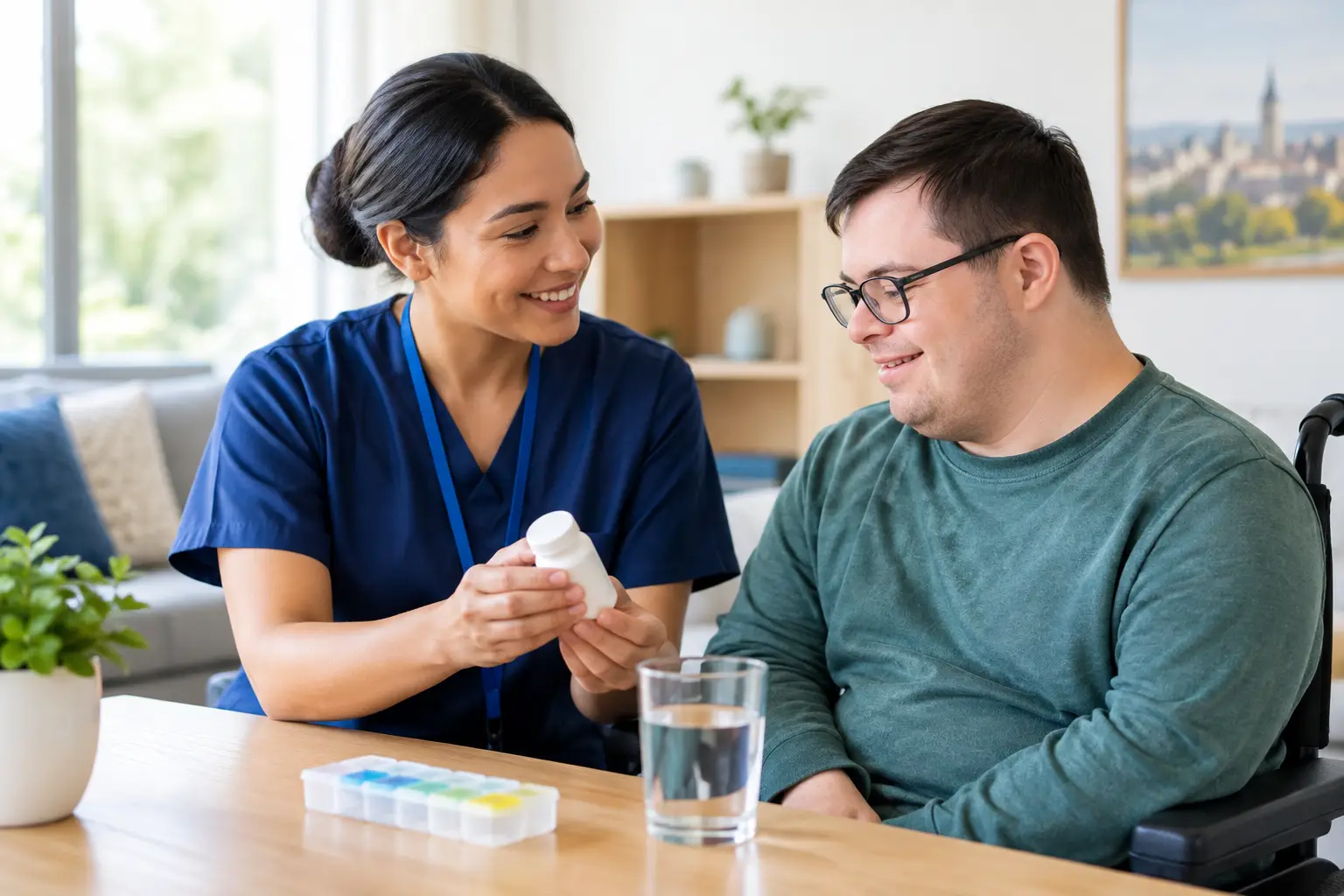
Support worker training and clinical oversight are often essential where pressure care routines are complex. Workers need more than a direction to “check skin”. They need to understand what concerning changes look like, how to provide safe, dignity-focused care, how to reduce shear and moisture exposure, and how to record and escalate concerns without delay.
How nursing reports support safer NDIS care
When a participant has recurrent skin breakdown, a newly identified pressure injury or increased clinical risk, a nursing report can provide clear evidence for coordinated action. It can describe the clinical findings, contributing factors, required care routines, monitoring frequency, worker competency requirements and the consequences of inadequate support.
For a plan review or change of circumstances, this evidence should be specific. Broad statements that a participant “needs more help” rarely explain the clinical risk. Clear reports for Support Coordinators instead connect the participant’s health needs with the nursing assessment, daily implementation requirements and necessary clinical oversight.
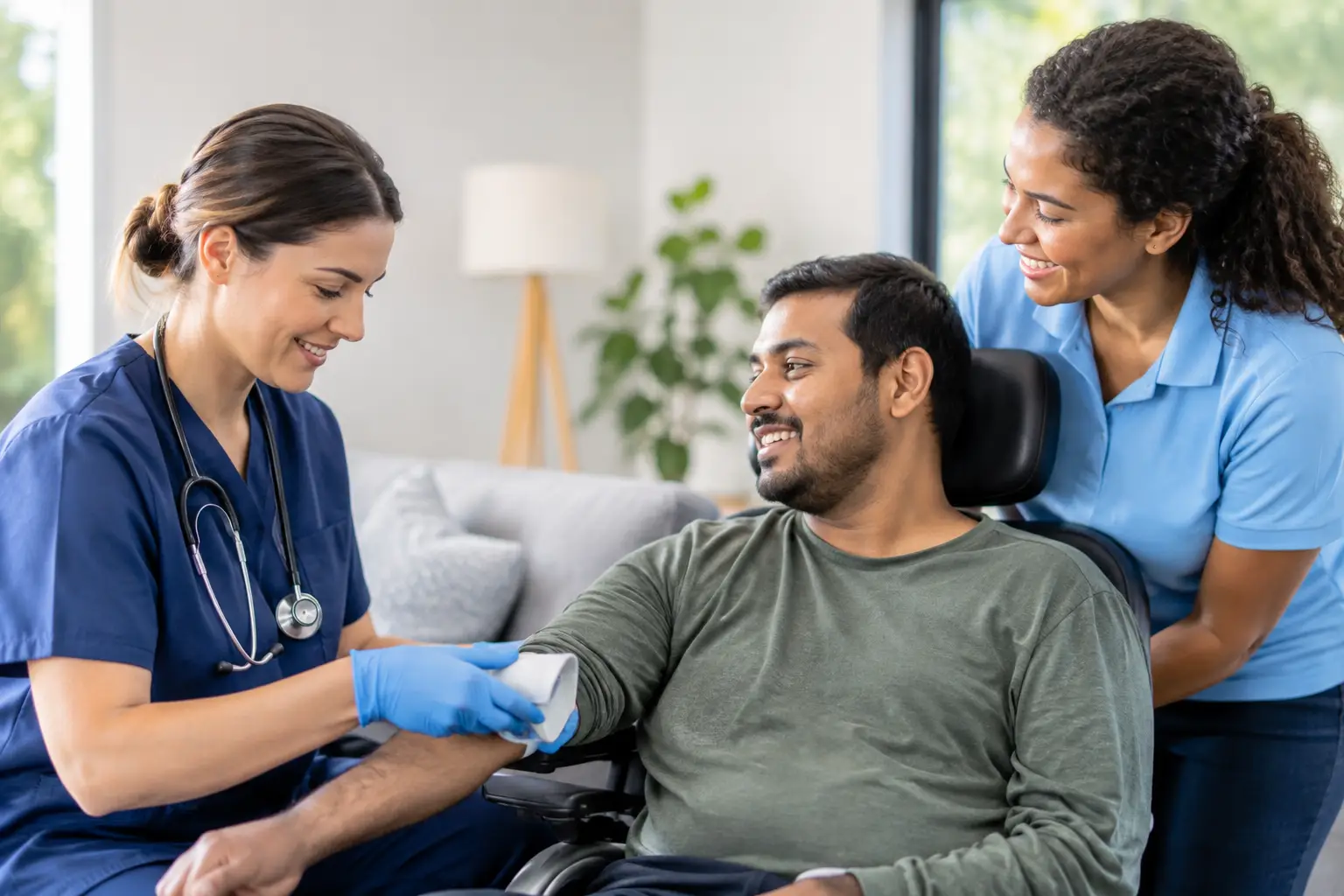
Compassion Wings provides nurse-led NDIS care across Adelaide for participants requiring wound and pressure care assessment, clinical care plans, support worker training and ongoing monitoring. The focus is helping participants stay safe at home while giving families and referrers practical, well-documented guidance.
If a pressure injury is suspected, act early. Arrange assessment, ensure immediate protective steps are in place, document what is seen and done, and ask the responsible provider to review its incident obligations. Prompt, clinically informed action is often the difference between a manageable skin concern and a serious wound.