
Gastrostomy Versus Nasogastric Feeding Explained
A feeding tube can make nutrition, hydration and medication possible when swallowing is unsafe or insufficient. Yet the decision between gastrostomy versus nasogastric feeding is rarely as simple as choosing the tube that appears easier. It affects comfort, infection risk, daily routines, clinical escalation, support worker competency and the participant’s ability to stay safely at home.
For NDIS participants with complex health support needs, the right option is determined by the treating medical team in partnership with the participant, family and relevant allied health clinicians. Nurse-led clinical support then helps translate that decision into safe, dignity-focused care at home.
Gastrostomy versus nasogastric feeding: the key difference
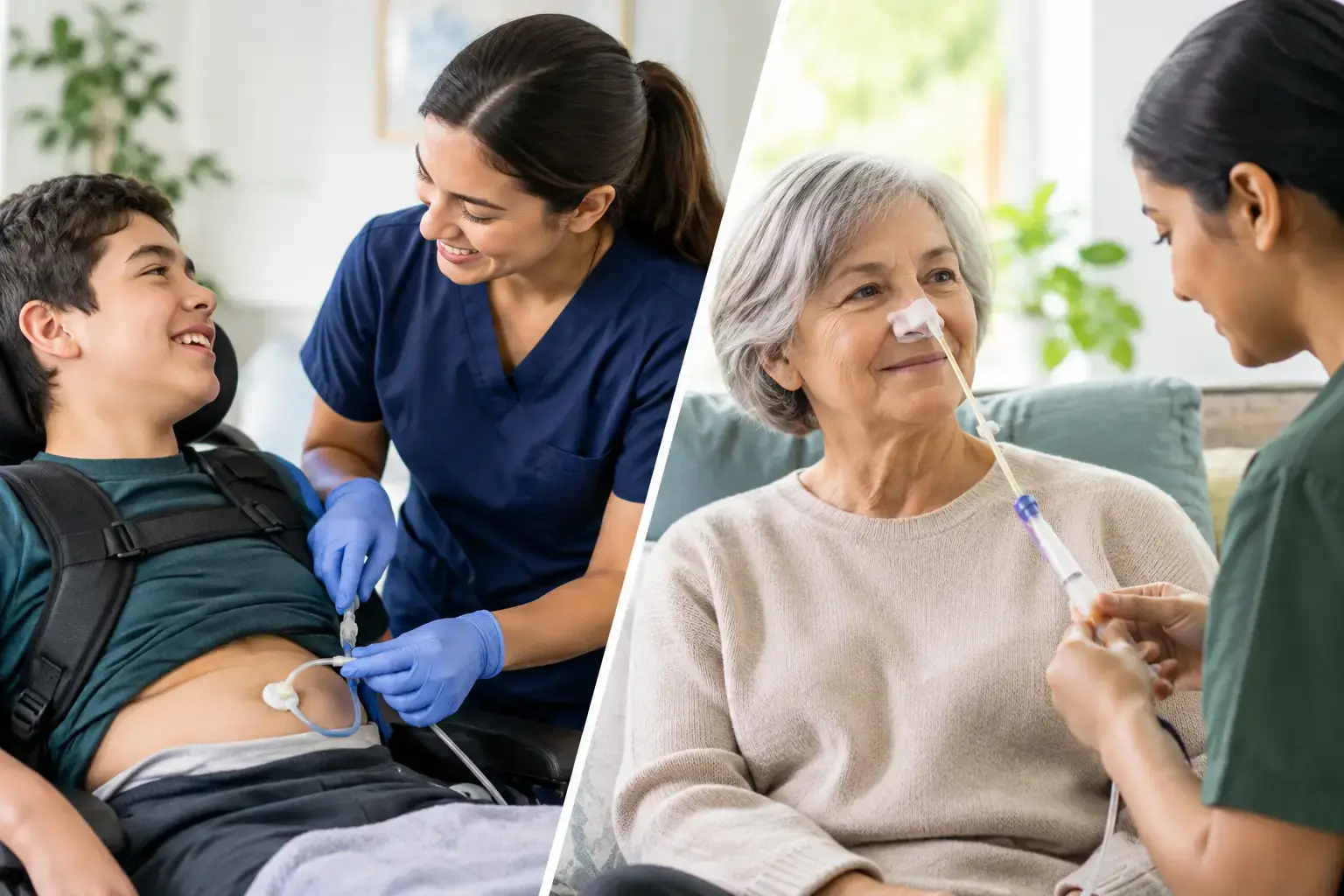
Nasogastric feeding, usually called NG feeding, uses a fine tube passed through the nose, down the throat and into the stomach. It is generally used when enteral feeding is expected to be short term, when a person needs nutritional support during acute illness, or while their longer-term feeding needs are being assessed.
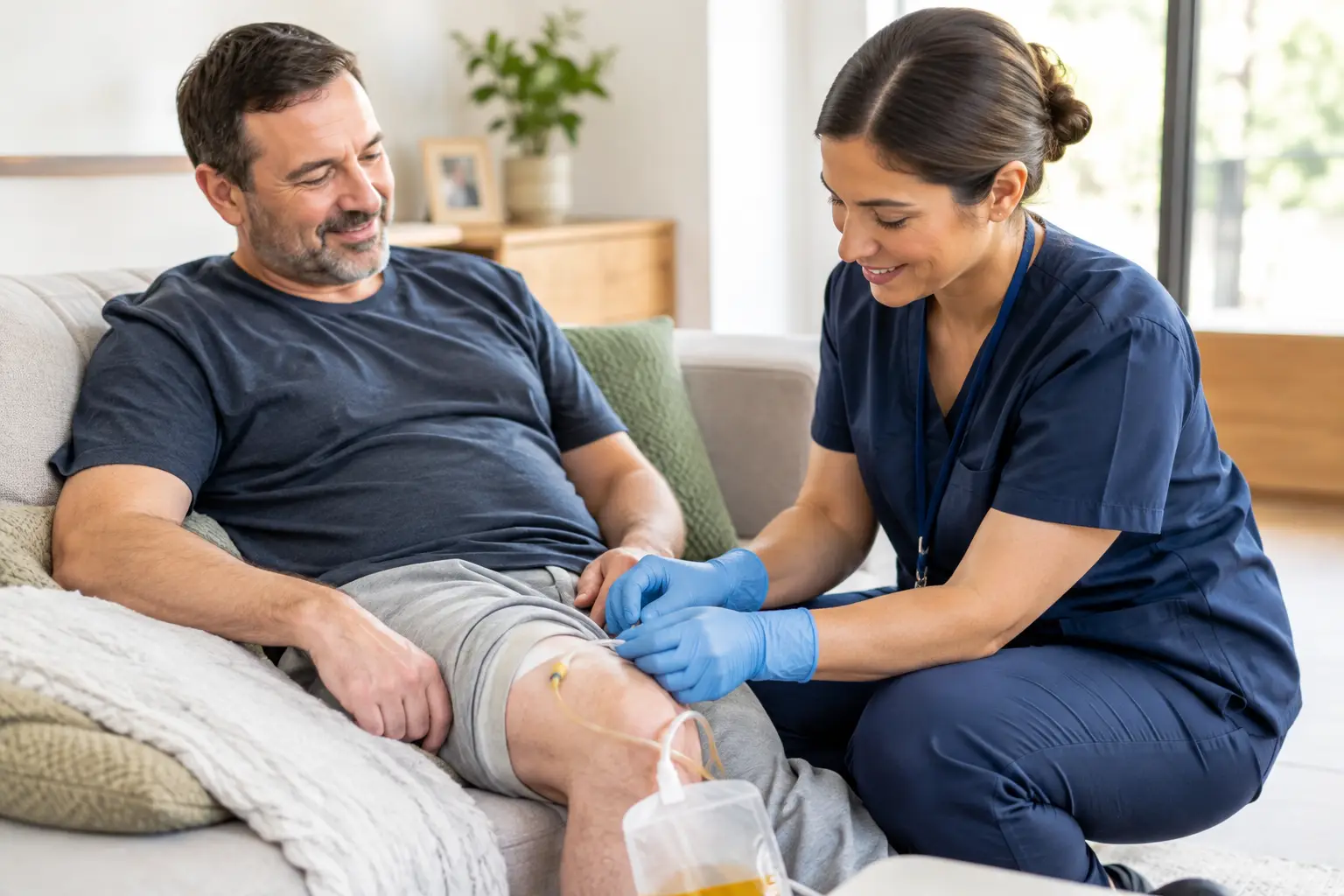
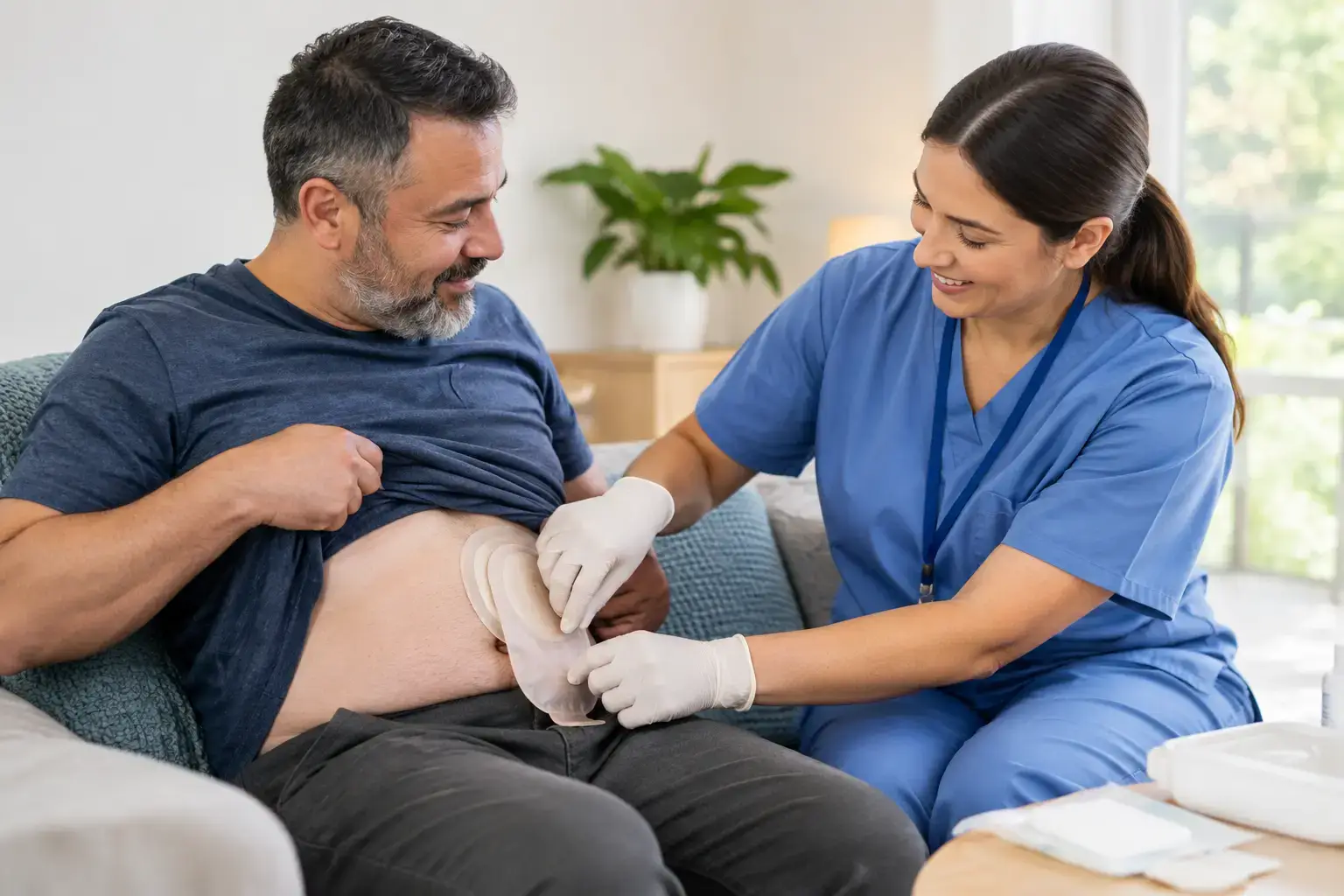
A gastrostomy is a tube placed directly through the abdominal wall into the stomach. You may hear terms such as PEG, or percutaneous endoscopic gastrostomy, and balloon gastrostomy. The insertion method and tube type vary, but the central feature is the same: nutrition, water and prescribed medication enter through a stoma in the abdomen rather than through the nose.
Neither option is automatically safer or more appropriate. The expected duration of tube feeding, swallowing prognosis, anatomy, respiratory health, capacity to tolerate the tube and the person’s preferences all matter. A participant may move from NG feeding to gastrostomy when enteral feeding is likely to continue for a longer period, but this is a medical decision requiring individual assessment.
When nasogastric feeding may be appropriate
NG feeding is often practical when nutrition support is needed promptly and temporarily. It avoids the procedure required to place a gastrostomy, which can be relevant while a participant is medically unstable, recovering from surgery or being assessed after a new diagnosis.
The tube is visible on the face, however, and some people find it uncomfortable or distressing. It can irritate the nostril, throat or skin, and it may be pulled out accidentally by coughing, vomiting, movement or unplanned handling. For people with sensory sensitivities, cognitive impairment or frequent involuntary movements, maintaining an NG tube can be particularly challenging.
Correct placement is a critical safety issue. An NG tube that has moved must not be used until placement has been checked in line with the participant’s clinical instructions and local policy. Support workers should never rely on assumptions, visual appearance or an old routine when there is concern that a tube has shifted.
NG feeding can also create practical challenges during personal routines, transfers and time in the community. The tube needs to be secured appropriately, the skin around the nose monitored, and feeding equipment managed carefully. These tasks require clear care plans and support worker training, not informal handover alone.
When gastrostomy feeding may be considered
Gastrostomy feeding is commonly considered when enteral nutrition is expected to be required for months or longer. It may offer a more stable route for people who cannot safely meet nutrition and fluid needs orally because of neurological conditions, dysphagia, cancer treatment, progressive illness or other complex health needs.
For many participants, a gastrostomy can be less noticeable than an NG tube and may reduce nasal and throat discomfort. Once the stoma has healed and routines are established, feeding may fit more comfortably into daily life. That does not mean a gastrostomy is low risk or maintenance-free.
The stoma and surrounding skin need regular observation. Leakage, redness, pain, granulation tissue, odour, bleeding or changes to the tube’s position may indicate a problem requiring clinical review. A dislodged gastrostomy tube can become urgent, particularly in the early period after insertion, because the tract may not yet be established.
A gastrostomy also involves an insertion procedure and the risks that come with it. Some participants have medical factors that make placement more complex. Others may not want an abdominal tube, even if it is clinically feasible. Comfort, body image, informed choice and the burden of daily care should be discussed respectfully rather than treated as secondary concerns.
Safety is about more than the tube type
Aspiration risk is often a major concern in enteral feeding, but the presence of a feeding tube does not remove that risk. Reflux, vomiting, reduced alertness, positioning, secretion management and the rate or volume of feed can all affect respiratory safety. The prescribed feeding regimen and positioning instructions should be followed exactly.
Medication administration needs equal care. Not every medication can be crushed or given through a feeding tube. Tube blockages, reduced medication effectiveness and adverse effects can occur when medicines are prepared incorrectly or mixed with feed without appropriate direction. Participants need an up-to-date medication plan that reflects advice from the prescriber and pharmacist.
Feeding intolerance can also present differently from person to person. Abdominal discomfort, distension, diarrhoea, constipation, nausea, coughing during feeds or altered respiratory symptoms should be documented and escalated according to the individual care plan. A change in bowel pattern may be clinically significant, particularly for a participant with an established bowel routine or limited ability to communicate discomfort.
What safe clinical support in the home looks like
The safest feeding routine is specific, documented and understood by every person providing care. Generic instructions such as “give feeds via PEG” are not enough for a participant with complex needs.
A practical nursing assessment can identify what must be clearly recorded, including the feeding method, prescribed formula and schedule, water flushes, positioning, medication process, stoma or nasal skin care, equipment cleaning, signs of intolerance and escalation contacts. It should also clarify which tasks require trained workers and what must be managed by a registered nurse or medical team.
Support worker training and clinical oversight are especially valuable where several workers assist the participant, where care occurs across home and community settings, or where there has been a recent discharge from hospital. Training should be competency-based and linked to the participant’s own equipment and care plan. Watching a demonstration once is not the same as demonstrating safe practice.
A clear escalation plan should distinguish between concerns that require routine clinical review and signs that require urgent medical help. While instructions must always be individualised, urgent concerns can include:
- difficulty breathing, choking, blue colouration or new respiratory distress
- a tube that is dislodged, damaged or clearly displaced
- severe abdominal pain, marked swelling, persistent vomiting or significant bleeding
- fever, spreading redness, pus or rapidly worsening pain around a gastrostomy site.
When a participant has an NG tube, suspected displacement must be treated seriously. When a gastrostomy tube comes out, families and workers should follow the participant-specific emergency plan without delay rather than attempting an unapproved replacement.
Documentation matters for participants and Support Coordinators
Enteral feeding often sits alongside other clinical needs such as diabetes support, pressure care, continence management, wound care or complex medication routines. Fragmented instructions increase the risk of missed care, inconsistent recording and avoidable hospital presentations.
For Support Coordinators, clear reports provide a practical picture of the participant’s nursing needs and the risks that must be managed in daily supports. Useful clinical documentation describes the current feeding method, required nursing oversight, support worker competencies, observed risks, recommended care processes and the consequences if appropriate supports are not in place. It should be factual, person-centred and suitable for plan review or a change of circumstances where relevant.
Families also benefit from one reliable source of truth. A current clinical care plan can reduce the pressure on relatives to repeat instructions, troubleshoot alone or act as the only people who understand the feeding routine.
When to refer for nurse-led assessment
A referral for nursing input is worthwhile after a new tube is placed, following discharge from hospital, when a participant changes from NG to gastrostomy feeding, or when recurring issues are affecting safe care. Recurrent tube blockages, skin breakdown, leakage, feeding intolerance, inconsistent support worker practice or uncertainty about medication administration all warrant review.
Compassion Wings provides nurse-led NDIS care for participants in Adelaide who need practical nursing assessments, support worker education, clinical care plans and clear reports for Support Coordinators. The focus is not simply on the tube itself, but on the full routine around it: skin integrity, infection prevention, medication safety, documentation and timely escalation.
The most useful next step is to ensure the participant’s feeding plan reflects their current clinical instructions, their daily environment and the people actually providing support. When the plan is clear and workers are properly trained, enteral feeding becomes a safer, more predictable part of helping participants stay safe at home.