

Stoma Care Support NDIS: What to Expect
A leaking stoma bag at 6 am can throw off an entire day. For some participants, it means skin breakdown, missed appointments, anxiety about leaving home, and support workers doing their best without enough clinical guidance. That is where stoma care support NDIS becomes more than a routine task. It becomes a clinical safety issue that needs proper assessment, practical nursing input and a clear plan.
For participants living with a stoma, day-to-day care can look straightforward until something changes. The appliance may stop fitting well. Output may become harder to manage. The skin around the stoma may become red, painful or broken down. A support team may change, and new workers may not feel confident with bag changes or monitoring concerns. Families often notice problems early, but they should not have to carry the full clinical load alone.
What stoma care support NDIS should actually include
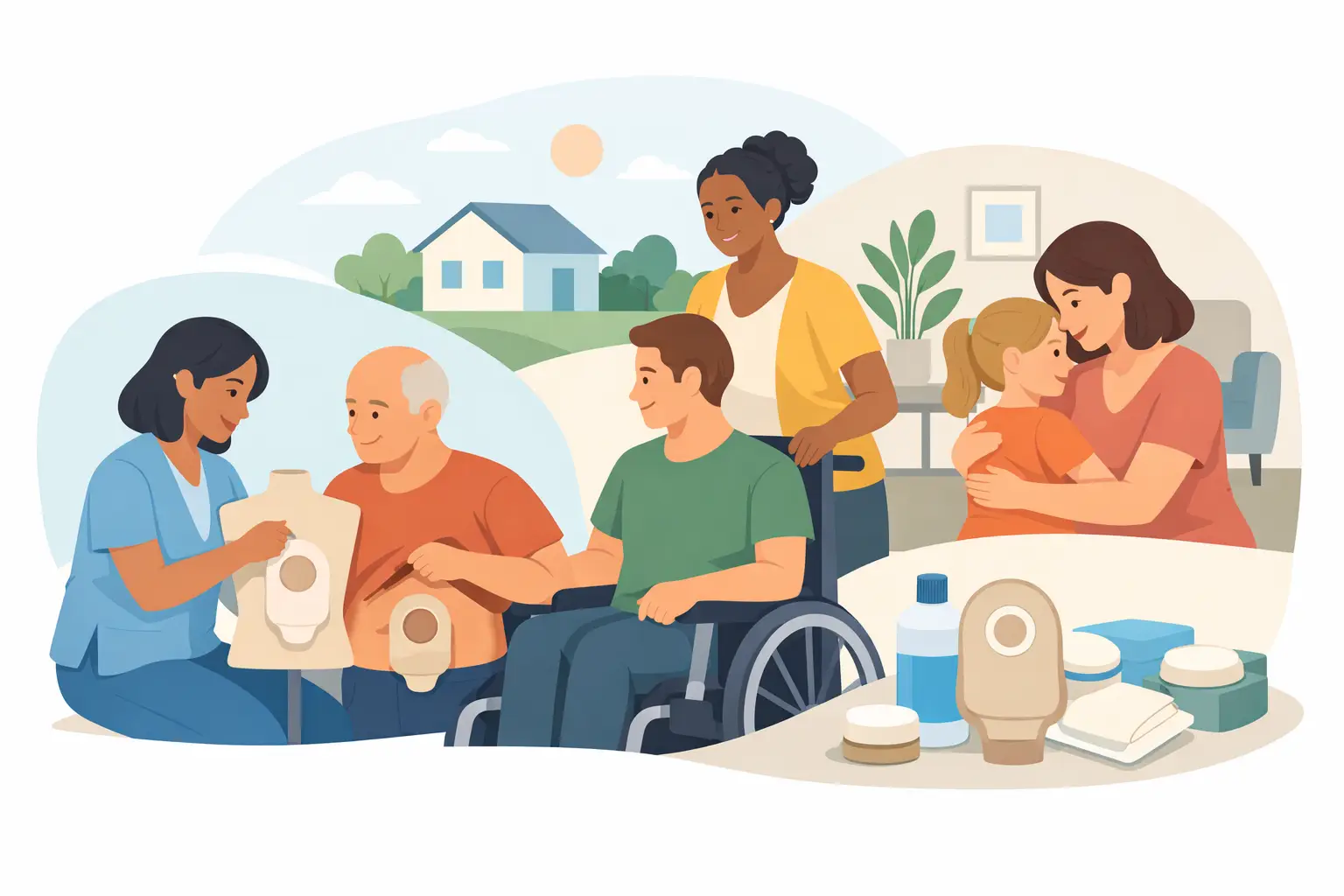
Good stoma care is not just about changing a bag. It includes assessment of the stoma site, the surrounding skin, the participant’s routine, their ability to manage care independently, and the capability of the people supporting them. In practice, that often means nurse-led NDIS care that looks at both the clinical risks and the real-world routine in the home.
A practical nursing assessment can identify whether current products are working, whether there are signs of infection or skin compromise, and whether the care routine is realistic for the participant and support team. It can also pick up factors that are easy to miss, such as dexterity issues, poor vision, fatigue, positioning difficulties, pressure risks, diabetes, hydration concerns or other health needs that affect stoma management.
This is where a nurse-led provider adds value. Support workers may assist with daily routines, but complex health support needs clinical oversight when there is skin damage, frequent leakage, recurrent issues, or uncertainty about safe care. A strong nursing team does not just step in for one visit and disappear. The role is to assess, document, guide, educate and escalate when needed.
When to refer for stoma care support NDIS
Some referrals are obvious. Others come after months of avoidable stress. If a participant has repeated leaks, painful skin, unusual stoma appearance, changes in output, difficulty managing equipment, frequent hospital presentations, or a support team that lacks confidence, nursing input is worth arranging early.
Support Coordinators often sit in the middle of this. They may hear that the current arrangement is “mostly okay” while also fielding reports of rushed bag changes, skin irritation and workers unsure what to document. In those situations, a nursing review can provide clarity. It helps define what support is actually required, what risks need monitoring, and what evidence may be needed for plan review or change of circumstances.
Families and guardians usually want two things at once: safety and dignity. Both matter. Stoma care can be deeply personal, and poor handling of it can leave a participant feeling exposed or embarrassed. Safe, dignity-focused care means having a routine that is clinically sound while still respecting privacy, choice and the participant’s preferred way of doing things.
Signs a nursing review is needed
There are common triggers that suggest a participant needs more than basic assistance. These include skin irritation around the stoma, frequent appliance failure, concerns about odour or leakage, changes in stoma colour or shape, unexplained pain, reduced independence, or inconsistent practice across the support team.
It also matters when support workers are willing but not adequately trained. High-intensity supports need more than verbal handover. Workers need clear instructions, confidence in infection control, practical understanding of what is normal versus what needs escalation, and documented guidance they can follow consistently.
Why nurse-led NDIS care matters in stoma support
Stoma care sits at the intersection of daily routine and clinical risk. That is why a nurse-led approach is often the safest option when care is complex or unstable. A nurse can assess the participant in context, not just the stoma itself. That includes skin integrity, continence issues, hydration, bowel function, medication impacts, pressure care concerns and the reliability of the current support setup.
This broader view matters because stoma issues rarely happen in isolation. A participant with reduced mobility may also be at risk of pressure injury if appliance leaks increase bed linen changes or sitting time. Someone with diabetes may have slower skin healing. A participant with a catheter, bowel routine or wound history may already have overlapping clinical needs that make small problems escalate quickly.
Nursing input also creates documentation that others can work from. Clear reports for Support Coordinators can outline what is happening, what clinical risks are present, what supports are required, and what needs to be monitored over time. That is useful not only for immediate care, but also when evidence is needed to support safer NDIS decision-making.
What a practical stoma assessment looks like
A thorough assessment should be useful from day one. It should not read like a generic template or leave workers guessing. In a home setting, that means reviewing the participant’s current routine, observing how care is completed, checking the condition of the stoma and surrounding skin, and identifying gaps in equipment, training or documentation.
The assessment may also consider timing and frequency of changes, disposal processes, infection control, hand hygiene, storage of consumables, and whether the participant can direct their own care. For some participants, the main issue is clinical instability. For others, the issue is inconsistency across carers or no written plan for what to do when something goes wrong.
A useful outcome is a practical care plan. That plan should describe the routine in plain language, set out escalation points, and support worker training needs, and clarify when nursing review is needed again. It should support safe care in real homes, with real staffing pressures, not just ideal conditions on paper.
Support worker training and clinical oversight
Training is often the difference between a manageable routine and a recurring problem. When workers are shown the correct process, understand the participant’s preferences, and know the red flags, care becomes more consistent. That can reduce skin damage, lower stress for families and help participants stay safe at home.
Training also needs follow-up. If there is high staff turnover, changing rosters or mixed confidence levels, one-off education may not be enough. Clinical oversight means checking that the plan is being followed, updating guidance if the participant’s needs change, and making sure new concerns are not brushed aside as “just one of those things”.
Stoma care support NDIS and documentation for plan reviews
One of the most practical reasons to involve a nurse is the quality of evidence. NDIS decision-making often depends on clear, specific documentation. If a participant needs ongoing nursing support, support worker training, more structured clinical monitoring or revised care arrangements, vague notes are rarely enough.
Good nursing reports describe the participant’s functional and clinical needs, the risks of inadequate care, the supports currently in place, and where those supports are falling short. They can explain why nurse-led input is reasonable and necessary, especially when there is skin breakdown, recurring complications or high-intensity support requirements.
For Support Coordinators, this helps reduce guesswork. For families, it can take pressure off repeated retelling of the same issues. For participants, it means their needs are more likely to be represented accurately and respectfully.
A home-based approach that respects dignity
Clinical support in the home works best when it is calm, practical and respectful. Stoma care is personal. Participants may already feel self-conscious about odour, appearance, intimacy or dependence on others. The way care is delivered matters just as much as the task itself.
That is why safe, dignity-focused care should always include privacy, informed communication and routines that suit the participant’s day rather than forcing them into a rushed system. Some people want detailed explanation and involvement in every step. Others prefer discreet assistance with minimal fuss. It depends on the person, their health, their confidence and who is providing care.
In Adelaide, this kind of nurse-led NDIS care can make a real difference for participants with complex health needs who want to avoid preventable setbacks. Compassion Wings provides practical nursing assessments, support worker training and clear clinical reporting that helps participants, families and coordinators manage stoma care with more confidence.
If stoma care has become inconsistent, stressful or clinically risky, the next step does not need to be dramatic. Often it starts with the right assessment, the right documentation, and a care plan people can actually follow. That is how small daily tasks become safer, steadier and easier to live with.




1 Comment
Hospital Discharge Nursing Support NDIS - Compassion Wings
June 21, 2026[…] usually includes practical nursing assessments focused on continence, wounds, pressure areas, stoma care, catheter management, diabetes support, medication oversight and infection risk. It may also […]