
When to Call a Wound Nurse Adelaide
A dressing that keeps leaking, skin that is breaking down around a catheter site, or a pressure area that has gone from red to open can change a routine very quickly. When a wound nurse Adelaide families, Support Coordinators and care teams can rely on is involved early, small issues are far less likely to become hospital presentations, infection risks, or long periods of avoidable pain.
For NDIS participants with complex health needs, wound care is rarely just about the wound itself. It often sits alongside continence concerns, pressure care, diabetes, reduced mobility, stoma management, medication considerations, and support worker routines that need to be safe and consistent. That is why nurse-led NDIS care matters. Good wound management is assessment, planning, documentation, education and follow-up – not simply changing a dressing and hoping for improvement.
What a wound nurse in Adelaide actually does
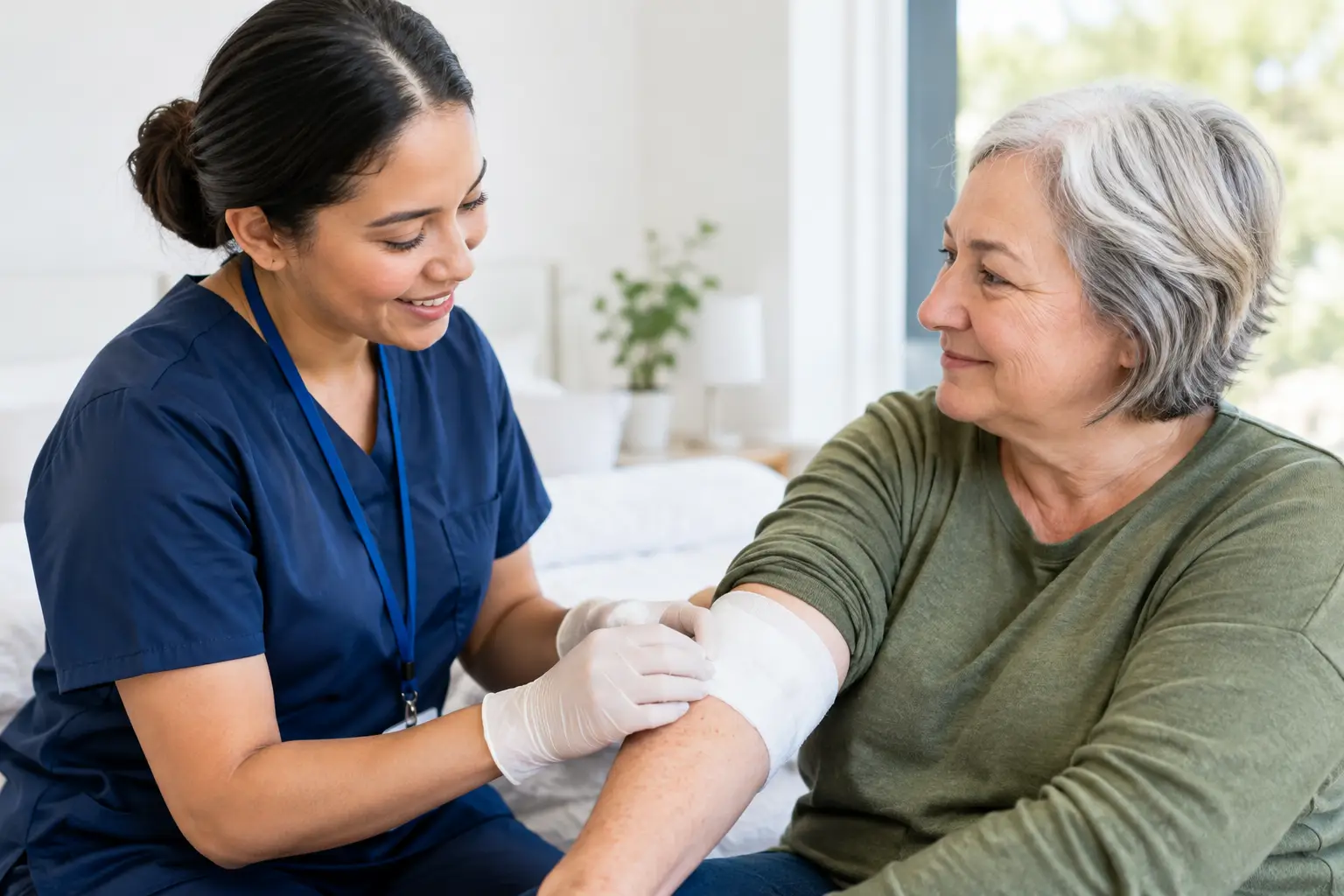
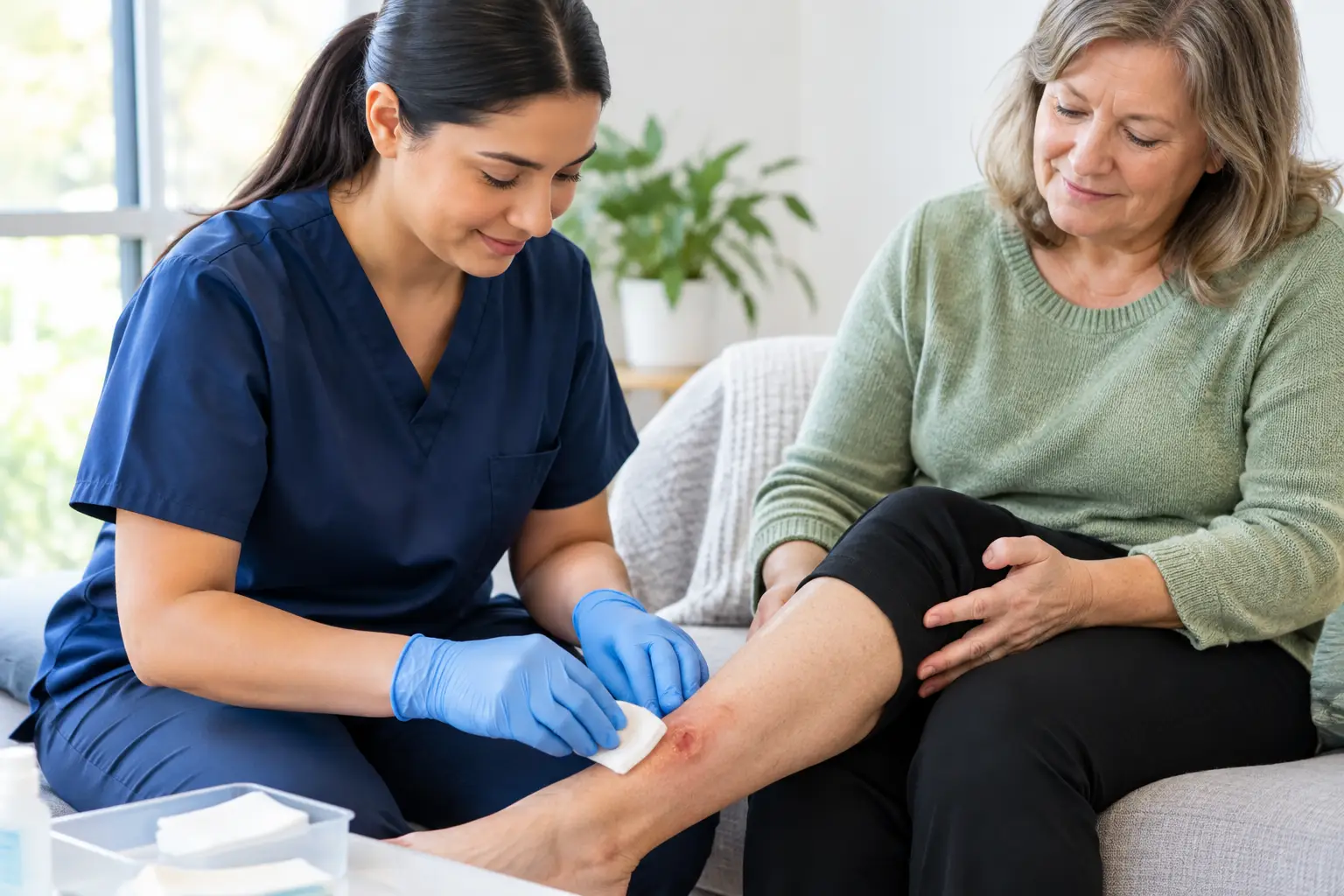
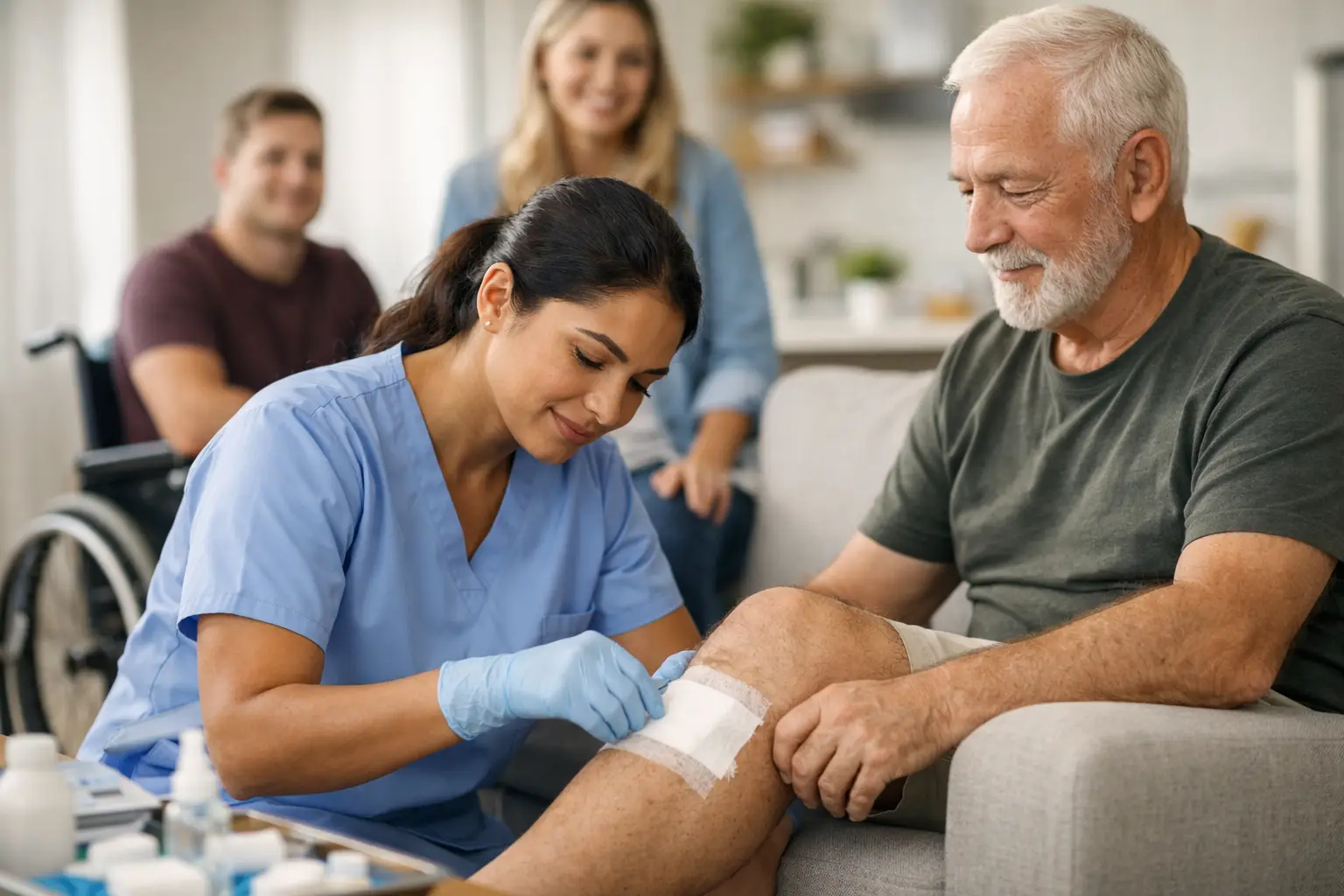
In community settings, wound care needs to be practical. A nurse is looking at the wound, but also at the person, the environment and the daily routine around it. That includes skin integrity, pressure risk, moisture damage, infection signs, pain, nutrition concerns where relevant, and whether the current support routine is helping or making the area worse.
A proper nursing assessment should identify what type of wound is present, how long it has been there, what risks may delay healing, and what needs to change at home. Sometimes the issue is pressure and positioning. Sometimes it is poor dressing selection, excess moisture, friction during transfers, or support workers not having a clear routine to follow. In more complex cases, the nurse may also need to escalate concerns back to a GP, specialist service or hospital team.
For Support Coordinators, this is often where the pressure sits. You may know a participant needs nursing input, but you also need practical nursing assessments and clear reports for Support Coordinators that explain the risk, the required frequency of care, and why skilled input is necessary. Without that evidence, services can become delayed or poorly matched to the participant’s needs.
When a wound nurse Adelaide referral makes sense
Some referrals are obviously urgent. Others are the kind that drift on too long because everyone is trying to manage around them. In practice, nursing input should be considered early when a wound is not healing as expected, when there is increasing redness, odour, pain or discharge, or when dressings need frequent changes because the current plan is not working.
Pressure injuries are another common reason to refer. A red area over the sacrum, heels, hips or other pressure points may look minor at first, but if the participant has reduced mobility, incontinence, poor sensation or complex seating and positioning needs, deterioration can happen quickly. Early clinical support in the home can help prevent a superficial issue becoming a deeper wound that is harder to manage.
Referral is also appropriate where skin damage is linked with moisture, continence issues, stoma leakage, adhesive trauma, or support routines that are not clinically clear. In those situations, wound care cannot be separated from bowel and bladder care, pressure care, or support worker education. The wound may be the visible problem, but the real driver sits elsewhere.
Wound care is often connected to other clinical risks
This is where nurse-led NDIS care is different from a narrow task-based approach. If a participant has recurrent skin breakdown, the question is not only what dressing to use. The question is why the skin keeps failing.
For one participant, the main issue might be prolonged time in bed without an effective repositioning plan. For another, it could be poorly managed continence leading to constant moisture and skin maceration. For someone living with diabetes, delayed healing and infection risk may need much closer monitoring. A participant with a stoma or catheter may develop surrounding skin damage that requires both local wound care and a review of the device care routine.
These details matter because they change the nursing plan. They also change what support workers need to know. If the care team is expected to monitor skin, protect pressure areas, recognise deterioration and follow a specific routine, then support worker training and clinical oversight are part of safe care – not an optional extra.
What good community wound care should include
A useful wound service is not vague. It should result in a clear clinical picture and a practical plan. That usually means documenting wound size and appearance, reviewing contributing risks, selecting an appropriate dressing approach, setting monitoring timeframes and identifying escalation points.
Just as important, the plan must work in the participant’s real environment. If a dressing requires a level of technique the home team cannot safely manage, the plan needs to reflect that. If the participant has sensory issues, pain, limited tolerance, or a routine that makes frequent dressing changes unrealistic, those factors need to be accounted for rather than ignored.
Safe, dignity-focused care also means being realistic about privacy and comfort. Wounds can be distressing, especially when they involve intimate areas, odour, drainage or repeated exposure during care. An experienced nurse should handle this with clinical confidence and respect, while still documenting enough detail for continuity and risk management.
Why documentation matters so much
In the NDIS space, poor documentation causes real problems. It can lead to delays in service approval, unclear delegation, inconsistent worker practice and weak evidence at plan review. For participants with complex health support needs, nursing notes and reports are often the difference between a concern being taken seriously and a concern being treated as routine.
A strong nursing report should explain the clinical issue in plain language, outline current and emerging risks, describe what nursing input is required, and note any support worker training or oversight that is necessary. If the participant’s needs have changed, that should be clearly documented as part of a change of circumstances or plan review process.
This is especially important when wound care is only one part of a broader picture. If a participant also needs continence assessment, pressure care planning, diabetes support or review of bowel and bladder routines, the documentation should connect those dots. Decision-makers need to understand the whole clinical risk, not just the surface problem.
What to prepare before making a referral
Referrals move faster when the basics are ready. It helps to have a short summary of the wound or skin issue, how long it has been present, what care is currently in place, whether there are concerns about infection or deterioration, and who is involved in day-to-day support.
It is also useful to provide recent hospital discharge information if relevant, current medication details where they affect skin or healing, any existing care plans, and the participant’s usual living arrangement. For Support Coordinators and SIL or in-home support teams, practical details matter – who changes dressings now, what times support is available, and whether workers have any prior clinical training.
That information allows the nurse to assess risk earlier and identify whether the participant may also need pressure care review, continence input, support worker education or more formal clinical care planning.
Why early nursing input usually saves trouble later
There is sometimes a tendency to wait until a wound is clearly severe before referring. In reality, earlier input is often the safer option. Community wounds can deteriorate quietly. By the time a participant is in significant pain, refusing care, or showing signs of infection, the situation is usually harder to stabilise.
Early nursing review can help participants stay safe at home by identifying risk before it escalates. It can also reduce the burden on families and support teams who are trying to manage uncertainty without enough clinical guidance. For Support Coordinators, it provides confidence that the issue has been properly assessed, documented and acted on.
In Adelaide, where participants may be receiving care across family homes, SIL settings or independent living arrangements, consistency matters. A clear wound plan, practical training, and regular clinical oversight can make daily care safer and far less reactive.
Compassion Wings sees this often in the community – the participant does not just need a dressing changed. They need a nurse-led plan that makes the whole care routine safer, clearer and easier to sustain.
If a wound is lingering, skin is breaking down, or support teams are unsure what they are managing, that uncertainty is usually the signal. Bringing in the right nursing support early can protect skin, reduce risk and give everyone around the participant a clearer path forward.