

What Are High Intensity Nursing Supports?
A missed catheter issue on Friday afternoon can turn into an Emergency Department visit by Friday night. A small red area over a heel can become a pressure injury by the weekend. A support team doing its best can still feel out of depth when bowel care, diabetes support or stoma management becomes more complex than the roster allows. That is where high intensity nursing supports matter – not as a vague NDIS term, but as practical, nurse-led NDIS care that keeps people safer at home.
What high intensity nursing supports actually mean
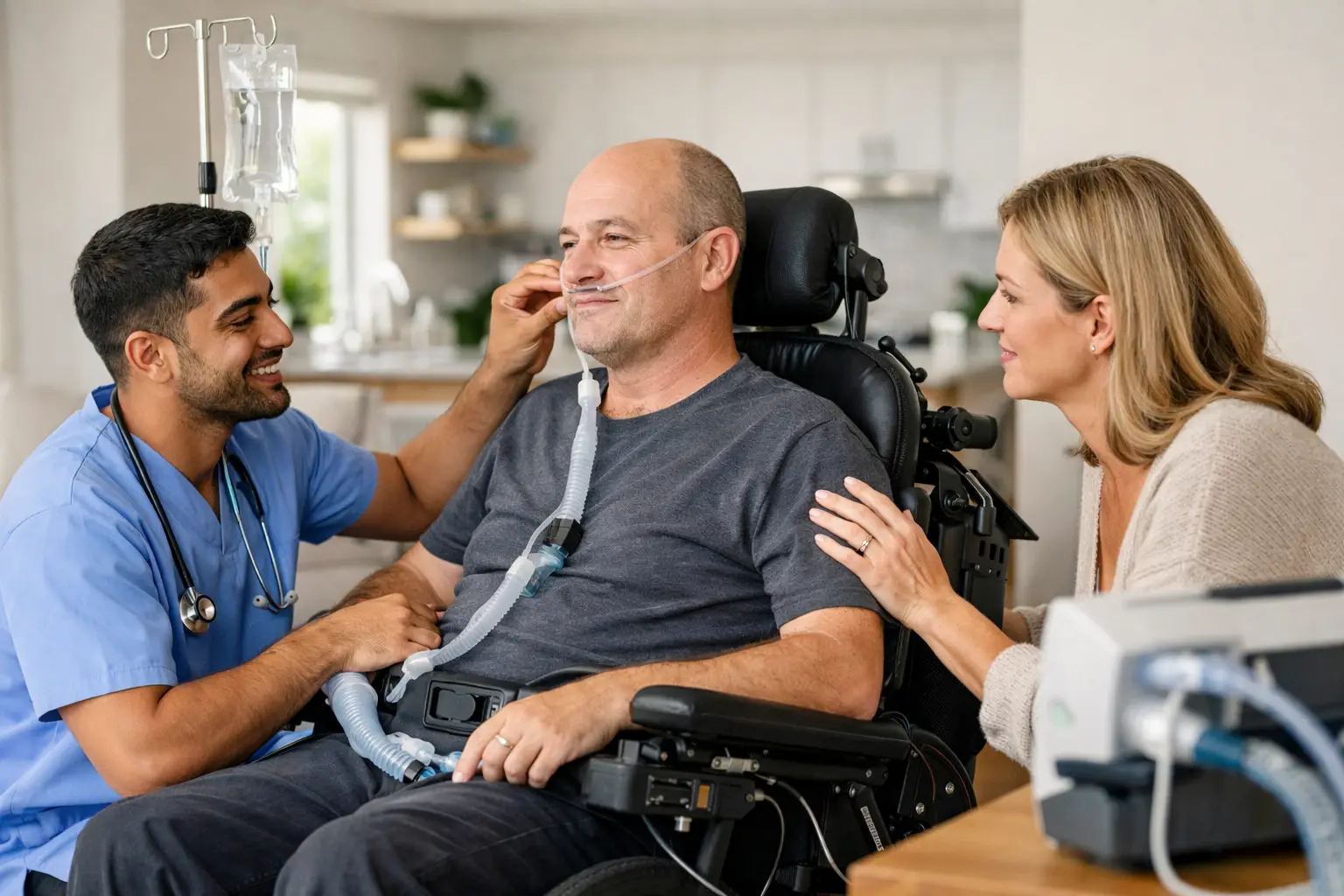
High intensity nursing supports are clinical supports for participants whose daily care involves higher health risk, specialised procedures or close nursing oversight. They are not the same as general assistance with day-to-day tasks. They sit in the space where care needs to be clinically assessed, documented properly, taught safely and reviewed over time.
In practice, that often includes continence assessment, catheter-related support, stoma care, wound care, pressure care, bowel and bladder routines, medication support, diabetes monitoring, skin integrity checks and support worker training. Some participants need direct nursing intervention. Others need a nurse to assess risks, develop a clear care plan and make sure the team implementing it is trained and consistent.
That distinction matters. A participant may look stable on paper, but if there is recurring leakage, frequent skin breakdown, repeated constipation, wound deterioration, or uncertainty around a clinical routine, the real issue is often not motivation or staffing. It is the lack of the right nursing input.
When high intensity nursing supports are needed
The need for high intensity nursing supports usually becomes obvious when the same problems keep happening despite everyone trying hard to manage them. A participant may have repeated urinary tract infections linked to catheter care, pressure areas that keep returning, or unexplained changes in blood glucose levels. Families may be worried, support workers may be unsure, and Support Coordinators may be chasing updates without getting clinically useful answers.
A nurse-led assessment helps separate what is routine from what is risky. For example, continence issues are not just about pads or toileting frequency. They can involve skin damage, infection risk, retention, constipation, hydration concerns, behavioural signs of discomfort and the suitability of current products or routines. Without practical nursing assessments, the response can become reactive instead of preventive.
The same applies to wounds and pressure care. A dressing change alone is not always enough. The clinical questions are whether the wound is healing as expected, whether the pressure source has been addressed, whether infection is present, and whether the support team knows what to look for between nursing visits. High intensity nursing supports are valuable because they connect treatment with oversight.
Why nurse-led care makes a difference
For participants with complex health support needs, safe care is rarely about one task in isolation. It is about the system around that task. A stoma may be technically managed, but if surrounding skin is breaking down, supplies are inconsistent, and support workers are improvising, the participant is still at risk. A medication routine may appear straightforward, but if timing, side effects or escalation steps are unclear, avoidable problems follow.
Nurse-led NDIS care brings clinical judgement into the home. That means identifying risks early, setting out practical steps, documenting changes clearly and adjusting plans when a participant’s condition changes. It also means keeping dignity at the centre. Bowel care, catheter care, wound care and continence support can be deeply personal. Good nursing does not just complete the task. It protects comfort, privacy and trust while still being clinically precise.
For Support Coordinators and referral teams, there is another benefit. Clear reports for Support Coordinators make planning easier. Instead of broad statements that a participant is “high needs”, good nursing documentation explains what the clinical issue is, what oversight is required, what training is needed, what risks exist if support is not provided properly, and what evidence supports review or escalation.
Common areas where nursing input changes outcomes
Continence and bowel or bladder support are among the most common reasons nursing input is needed. Leakage, urinary retention, recurrent infections, constipation and skin breakdown can quickly affect a participant’s comfort and safety. A proper continence assessment looks at the whole picture, not just the product being used.
Wound care and pressure injury prevention are another key area. Participants with reduced mobility, compromised skin, poor circulation or complex equipment needs often require regular monitoring as well as treatment. Small changes matter. Catching deterioration early can help participants stay safe at home and reduce avoidable hospital presentations.
Stoma care and catheter support also need more than ad hoc troubleshooting. Poor fit, leakage, odour concerns, blockages, bypassing, discomfort and peristomal skin damage can all signal the need for clinical review. These issues can be distressing for participants and difficult for support teams to manage without nursing guidance.
Diabetes support and medication oversight can sit in a similar category. Not every participant with diabetes needs intensive nursing involvement, but where monitoring is inconsistent, health literacy is limited, support workers need instruction or the participant has additional clinical risks, nursing oversight can make the routine safer and more reliable.
The role of support worker training and clinical oversight
One of the most practical parts of high intensity nursing supports is support worker training and clinical oversight. Participants do not always need a nurse present for every routine, but they do need a team that knows exactly what to do, when to escalate concerns and how to document relevant changes.
Training works best when it is specific to the participant. Generic instruction is rarely enough for complex clinical routines. A participant with a catheter, a pressure area and diabetes support needs a plan that reflects their presentation, their home setup and their support team. Teaching should cover the “how”, but also the “what if”. What if urine output changes? What if the wound looks different? What if a stoma appliance is not sealing? What if the participant reports pain or refuses the routine?
Clinical oversight then keeps the care plan alive. Needs change. Staff change. Risks change. Without review, even a good plan can drift into unsafe habits. Ongoing nursing involvement helps maintain consistency and gives families and coordinators confidence that concerns are being picked up early.
What Support Coordinators should look for before referring
Support Coordinators are often asked to solve urgent clinical problems without having enough information. The most useful referrals usually include a brief summary of the presenting issue, recent hospital or discharge information if available, current diagnoses relevant to care, existing care routines, known risks, and who is involved in the participant’s support team.
It also helps to be clear about the outcome needed. Is the referral for an assessment, a care plan, direct nursing care, training, a nursing report for plan review, or urgent troubleshooting? Those are different pieces of work, and the right response depends on the clinical priority.
If a participant is in Adelaide and there are concerns about wound management at home, catheter complications, continence decline or pressure injury risk, fast nursing input can prevent a lot of back-and-forth later. It gives everyone a clearer starting point and often reduces the pressure on informal supports and frontline workers.
How nursing evidence supports NDIS decisions
High intensity nursing supports are not just about care delivery. They are also about evidence. When a participant’s needs have changed, or when existing supports are not enough to manage risk safely, nursing reports can help explain the clinical reality in a way that is practical and audit-safe.
That evidence is strongest when it is specific. It should describe the participant’s health needs, the routine required, the risks associated with poor implementation, the level of oversight needed, and the impact on daily functioning and safety at home. Vague wording does not help participants or planners. Clear, clinically grounded documentation does.
This is often where experienced, nurse-led services stand apart. The aim is not to create paperwork for its own sake. The aim is to make sure the written evidence matches what is actually happening in the home, so decisions about supports are based on risk, function and practical care requirements.
High intensity nursing supports work best when they are early, targeted and grounded in real clinical assessment. They can prevent avoidable deterioration, make support routines safer, and reduce the uncertainty that families and support teams often carry for too long. When care is complex, dignity-focused nursing input is not an extra. It is often the piece that allows the whole support arrangement to work properly.




1 Comment
When Home Nursing for Complex Disability Helps - Compassion Wings
July 13, 2026[…] when workers understand both the procedure and the reason behind it. Support worker training and clinical oversight give teams a structured opportunity to learn the participant’s individual care requirements, […]